studio / on-this-day / Jul 16
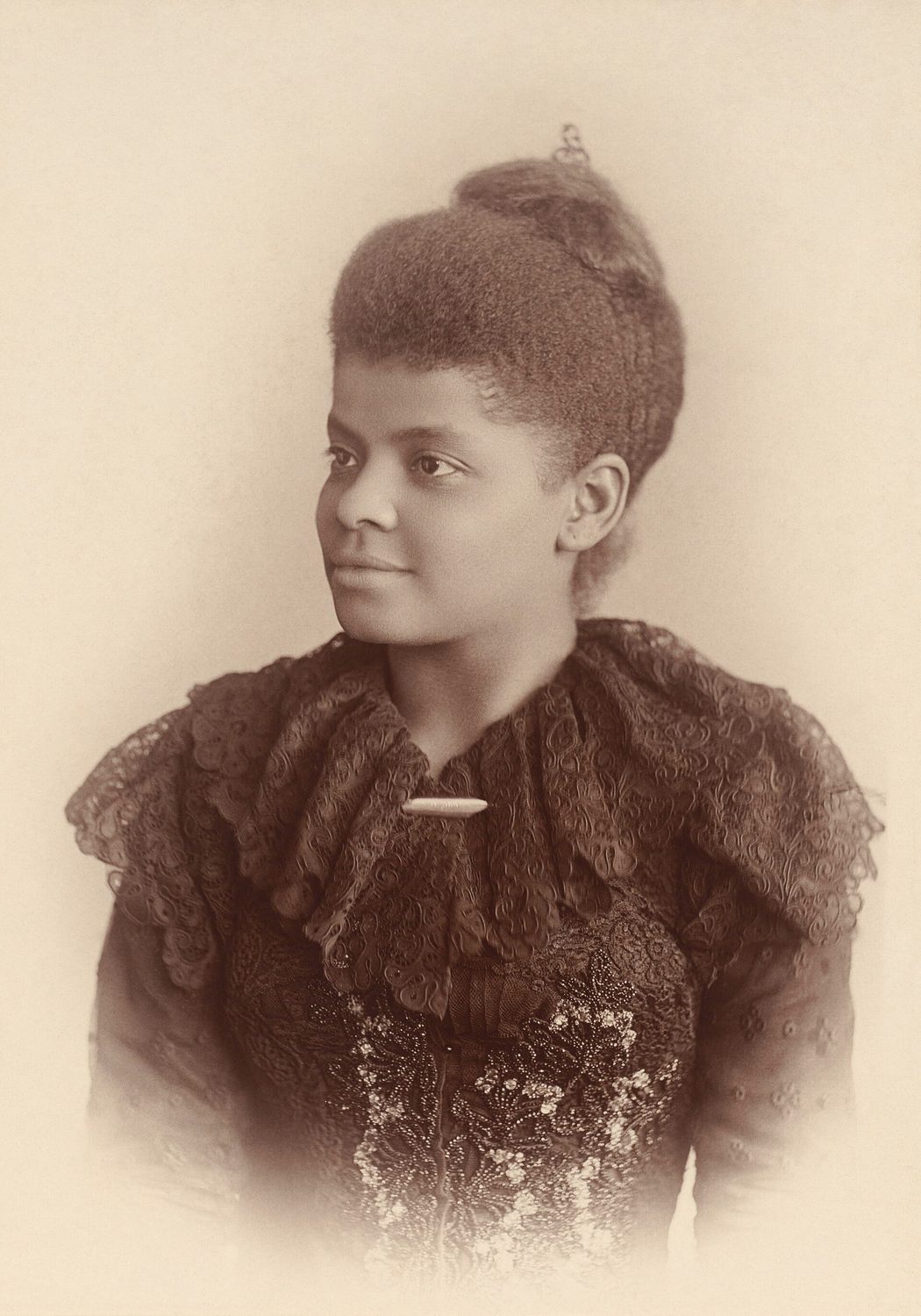
Ida B. Wells-Barnett, journalist and anti-lynching investigator, around 1893. Public domain, via Wikimedia Commons
She Fought Lies With Data
On this day in 1862 — Ida B. Wells was born into slavery. She became an investigative journalist who answered the lies used to justify lynching with something harder to argue with: the documented facts.
4 min read
Ida B. Wells was born into slavery in Holly Springs, Mississippi, on July 16, 1862, a few months before the Emancipation Proclamation. Orphaned young when a yellow-fever epidemic killed her parents, she kept her siblings together, became a teacher, and then a journalist, and turned her reporting into one of the most rigorous and dangerous investigative projects of her century: documenting the truth about lynching in the American South.
In 1892, three of her friends, successful Black grocers in Memphis, were lynched by a white mob that resented their competition. The standard justification for lynching, repeated in newspapers and from pulpits, was that it punished Black men for assaulting white women. Wells had half-believed some version of that story herself. Her friends' murders, which had nothing to do with any such accusation, showed her it was a lie, and she set out to prove it.
Her method was investigation and documentation. She traveled, interviewed, and gathered records, compiling the names, dates, places, and alleged causes of lynching after lynching. When she assembled the actual data, the official excuse collapsed: in most cases there had been no accusation of assault at all, and where there was, the supposed crime was often a consensual relationship, a business dispute, or nothing. The pattern in the numbers told a very different story than the one the country was telling itself.
She published the evidence, in pamphlets like Southern Horrors and The Red Record, laying out the statistics and the specific cases in cold, sourced detail. It was, in effect, data journalism decades before the term existed: she understood that against a widely believed myth, the most powerful weapon was not outrage but an irrefutable, documented record that anyone could check for themselves.
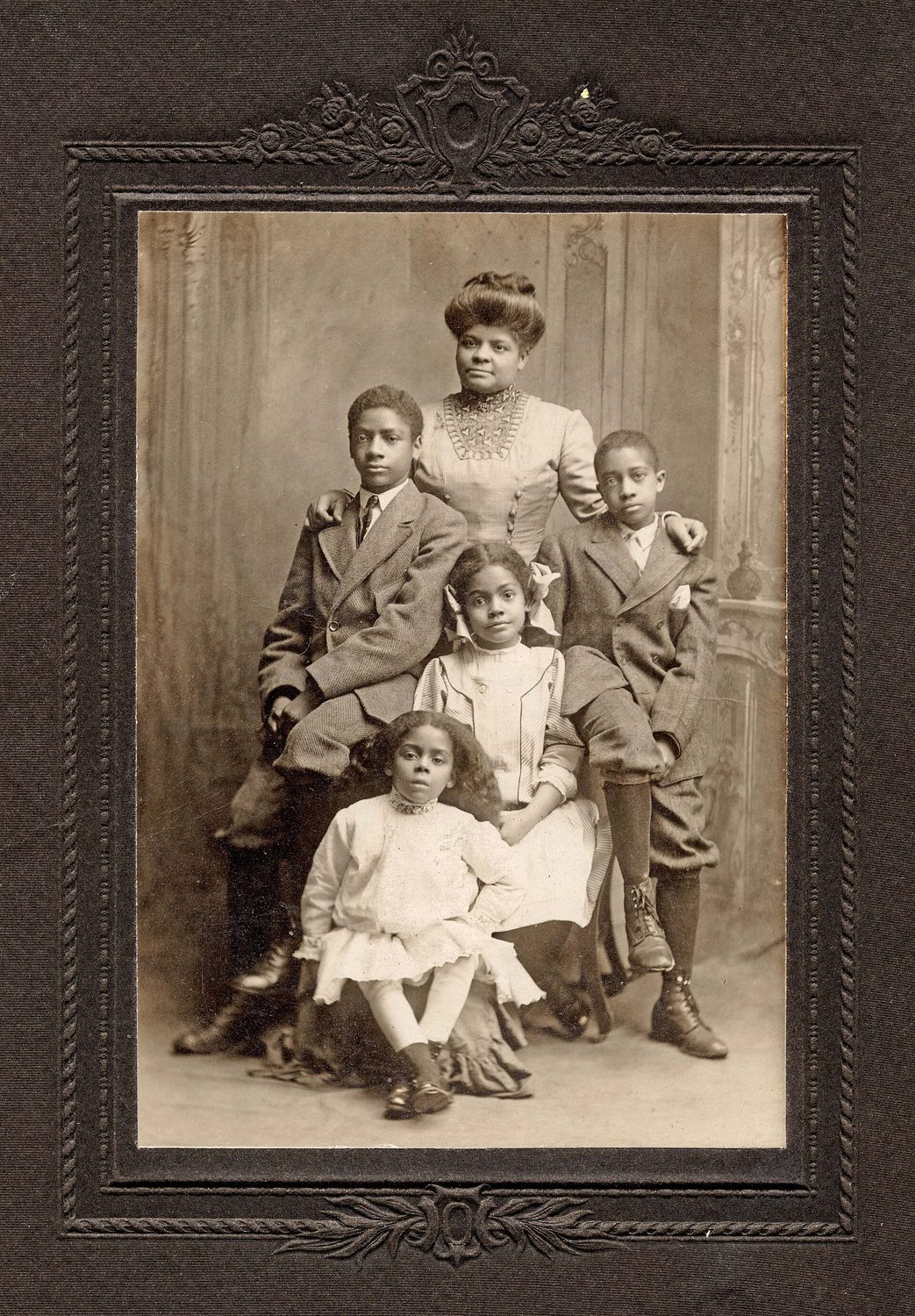
Ida B. Wells with her children in 1909; she carried the campaign on while raising a family. Public domain, via Wikimedia Commons
It nearly cost her everything. While she was traveling, a mob destroyed her Memphis newspaper office and warned that she would be killed if she came back. She never lived in the South again, but she did not stop; she took the campaign national and then international, lecturing across the United States and Britain, forcing the reality of lynching in front of audiences who had been comfortably looking away.
She was also, characteristically, ahead of her own allies. She helped found the NAACP, campaigned for women's suffrage, and refused to stay quiet when the suffrage movement tried to keep Black women at the back of the parade. She would not accept the bargain, common among reformers, of advancing one cause by quietly abandoning another. She insisted on all of it, at once.
The through-line of her life is a faith in the documented fact. She believed that a carefully assembled record of what was actually happening, names, numbers, evidence, could break a lie that sentiment and argument could not. On July 16, 1862, a woman was born into bondage who would spend her freedom proving that the truth, written down precisely enough, is very hard to kill.
studio / on-this-day / Jul 16