studio / on-this-day / Jul 1
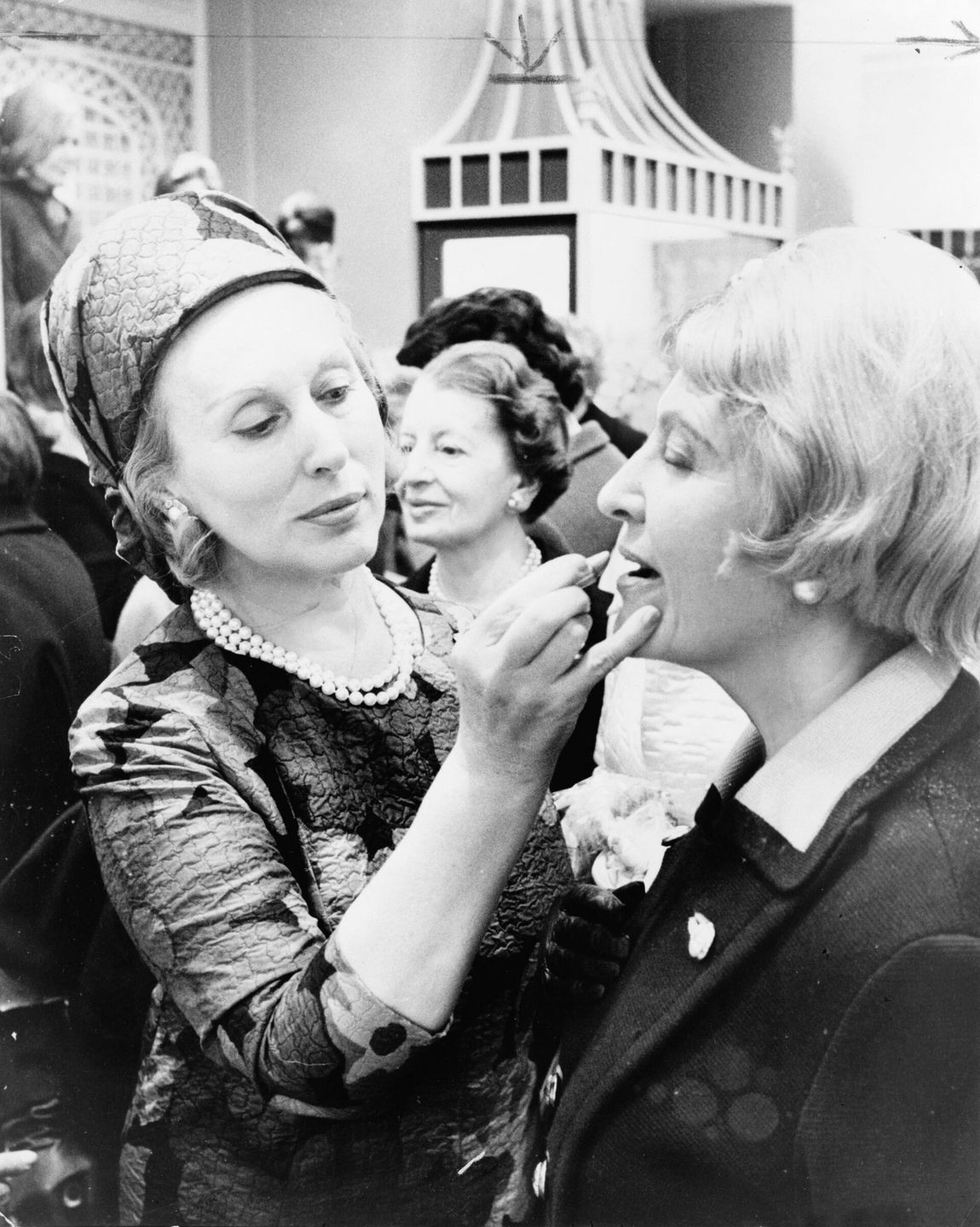
Estée Lauder, photographed in 1966. public domain, via Wikimedia Commons
She Gave It Away to Sell It
On this day in 1908 — Estée Lauder was born. With no money for advertising, she built a global cosmetics empire on a single insight: let people try it first, and give them something free.
4 min read
Estée Lauder was born on July 1, 1908, in Queens, New York, the daughter of immigrants, and she built one of the great business empires of the twentieth century starting from a few jars of face cream mixed by her uncle, a chemist. She had no capital, no connections, and no access to the advertising budgets of the established brands. What she had was an unusually clear understanding of how people actually decide to buy something.
Her central insight was almost embarrassingly simple: people will buy a beauty product once they have felt it on their own skin, and almost never before. So instead of spending money she did not have telling people her cream was good, she got the cream directly onto their faces. She gave demonstrations, at salons, at counters, anywhere she could, applying the product to a real person and letting the result do the arguing. She sold by proof, not by claim.
From that came the tactic she is most famous for: the free sample, and the "gift with purchase," a small complimentary product handed to anyone who bought. Giving inventory away for nothing looked, to conventional retailers, like lunacy. Lauder understood it was the cheapest, most effective advertising available. A sample that works converts a stranger into a customer far more reliably than any printed ad, because it removes the risk of trying.
This was a genuine piece of distribution design, not just salesmanship. She had identified the exact bottleneck in her market, the customer's unwillingness to gamble money on an unknown product, and engineered a way around it by moving the trial before the purchase. The whole model was built around lowering the cost, financial and psychological, of finding out whether the thing was any good.
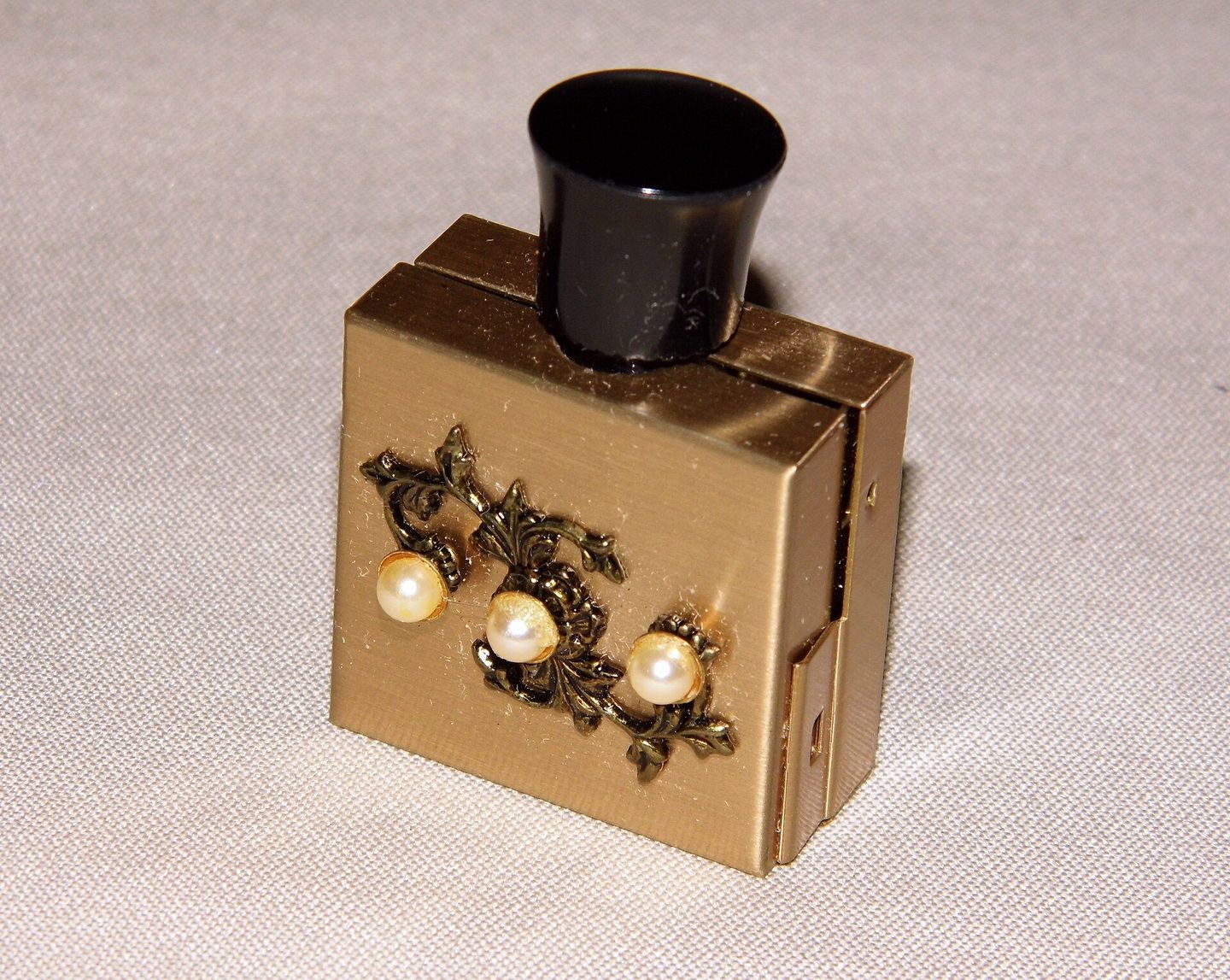
A vintage perfume bottle; fragrance, above all her youth dew, built Estée Lauder's fortune. Joe Haupt, CC BY-SA 2.0, via Wikimedia Commons
It worked so well that it stopped being her secret and became the industry's standard. Walk past any cosmetics counter today and you will see the free sample and the gift-with-purchase everywhere, so normal now that no one remembers they were once a radical bet by a woman with no marketing money. She did not just build a company; she rewrote how an entire category is sold.
She was, by every account, relentless in the execution, personally selling, personally training the women at the counters, insisting on the touch of a real hand and a real face. The strategy was clever, but strategy without obsessive follow-through is just a memo. She supplied both, for decades, and grew a kitchen operation into a company sold in stores around the world.
She lived to ninety-seven, one of the wealthiest self-made women in the world. On July 1, 1908, a woman was born who, locked out of the expensive way to reach customers, invented a cheaper and better one, by grasping that the most persuasive thing you can do is simply let people try the thing, and trust that if it is good, they will come back to buy it.
studio / on-this-day / Jul 1