studio / on-this-day / Jul 9
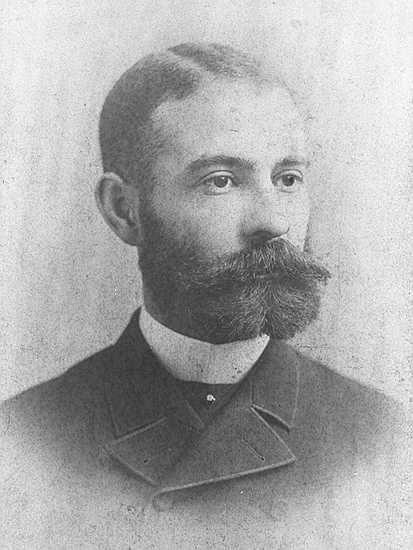
Dr. Daniel Hale Williams, surgeon and founder of Provident Hospital in Chicago. Public domain, via Wikimedia Commons
Operating on the Heart
On this day in 1893 — Daniel Hale Williams opened a man's chest and repaired the sac around his beating heart, one of the first successful heart surgeries, without antibiotics, transfusion, or permission from precedent.
4 min read
On the night of July 9, 1893, a young man named James Cornish was carried into Provident Hospital in Chicago with a knife wound in his chest and his life running out through it. The blade had gone in near the heart. The standard of care in 1893 was, essentially, to wait and pray; the chest was considered a place surgeons did not go. Daniel Hale Williams decided to go in.
He had almost nothing we would call modern medicine. No antibiotics. No blood transfusion. No X-ray to show him what he was cutting toward. No monitors, no anesthesiologist as we would know one, and no textbook for the operation, because the operation barely existed. What he had was anatomy, antiseptic technique, a steady hand, and a willingness to be wrong in front of everyone.
Williams opened the chest, found the wound, and saw that the pericardium, the tough sac that wraps the heart, had been cut and was bleeding. He sutured it closed while the heart beat under his hands, then closed the man back up. There was no drama of a stopped-and-restarted heart; the achievement was quieter and harder, to enter the body's most defended room, work with control, and leave it better than he found it. Cornish recovered and lived for years.
It is usually called one of the first successful heart surgeries, and the hedging in that phrase is honest, because "first" in medicine is always contested. What is not contested is that Williams did something the profession had declared off-limits, did it cleanly, and proved the territory was not forbidden, only difficult.
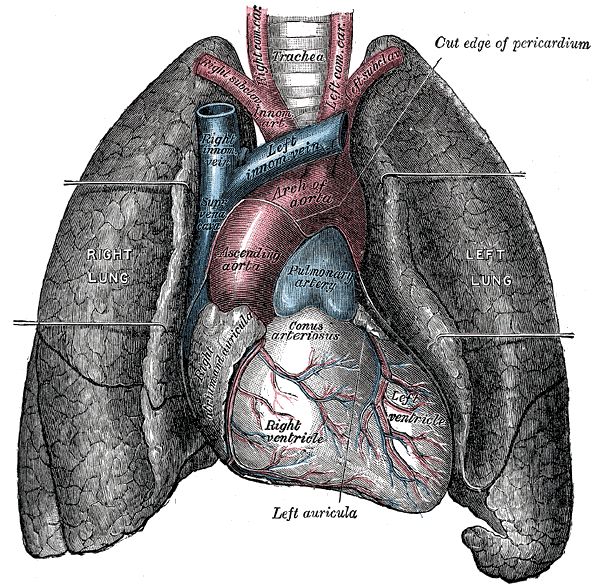
The anterior surface of the human heart; the pericardium Williams repaired is the sac that encloses it. Public domain, via Wikimedia Commons
The more remarkable fact is the building he did it in. Williams had founded Provident Hospital two years earlier, in 1891, because Black doctors and nurses were shut out of the hospitals of the day and Black patients were treated as an afterthought. It was the first Black-owned and interracial hospital in the country, with a nursing school attached. He did not only want to practice medicine; he wanted to build the institution that would let others practice it too.
That is the part worth keeping. The surgery was a single night of nerve and skill. The hospital was a system, designed on purpose to fix a problem far bigger than any one patient, and it outlasted him. Great operators are rare and precious. People who build the place where great work becomes ordinary are rarer still. Williams was both.
He said later that he had simply done what the situation demanded and what he had trained to do. That is the quiet confidence of someone who prepared for the moment before it arrived, then met it without flinching. On July 9, 1893, the most defended organ in the body stopped being off-limits, because one well-prepared person decided the rule was wrong.
studio / on-this-day / Jul 9