studio / on-this-day / Jul 10
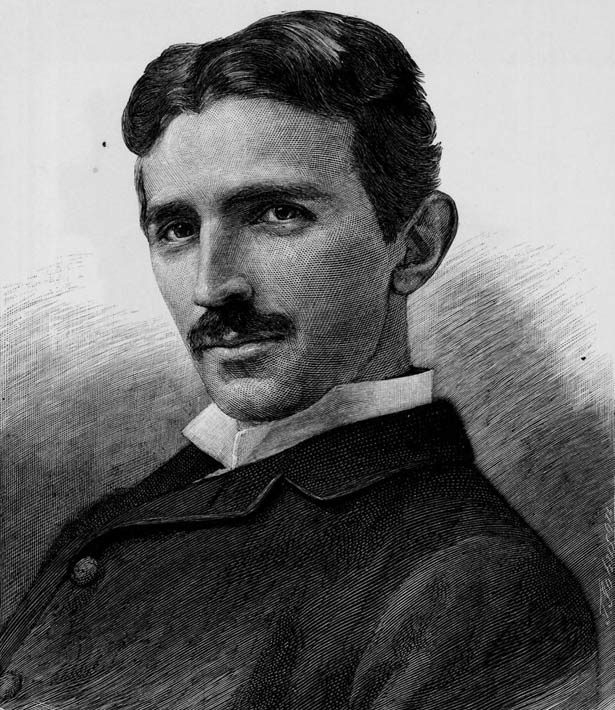
Nikola Tesla, photographed by Napoleon Sarony around 1898. Public domain, via Wikimedia Commons
Wireless Dreams
On this day in 1856 — Nikola Tesla was born, holder of hundreds of patents who imagined wireless power a century before the world was ready.
2 min read
Tesla's career, detailed elsewhere in these pages, was built on practical achievements like alternating current and the induction motor. But what consumed him later in life was something no one had asked for and no one knew how to monetize: wireless transmission of power. He believed electricity could be sent through the air, through the ground, across oceans, without wires. He built Wardenclyffe Tower on Long Island to prove it. The project bankrupted him, and the tower was demolished for scrap in 1917. He died believing he had failed.
Tesla was not entirely wrong. Wireless power transmission works. We use it every day in inductive charging pads for phones and electric toothbrushes. Radio waves carry energy, though not enough to power cities. The problem Tesla never solved was efficiency. Beaming power through the air loses energy to the environment. The farther it travels, the more it dissipates. Without a way to direct the energy precisely to where it is needed, wireless power becomes waste. And there was no business model. If power is broadcast freely, how do you charge for it? Investors abandoned the project.
But the idea never disappeared. Tesla's patents covered not just wireless power but also radio communication, remote control, and the principles behind radar. His vision of a world wirelessly connected to a global energy grid was premature by a century, but it was not fantasy. What he described sounds remarkably like the infrastructure we are building now: distributed energy systems, wireless communication networks, devices that charge without being plugged in. The tools are different, but the design is recognizable.
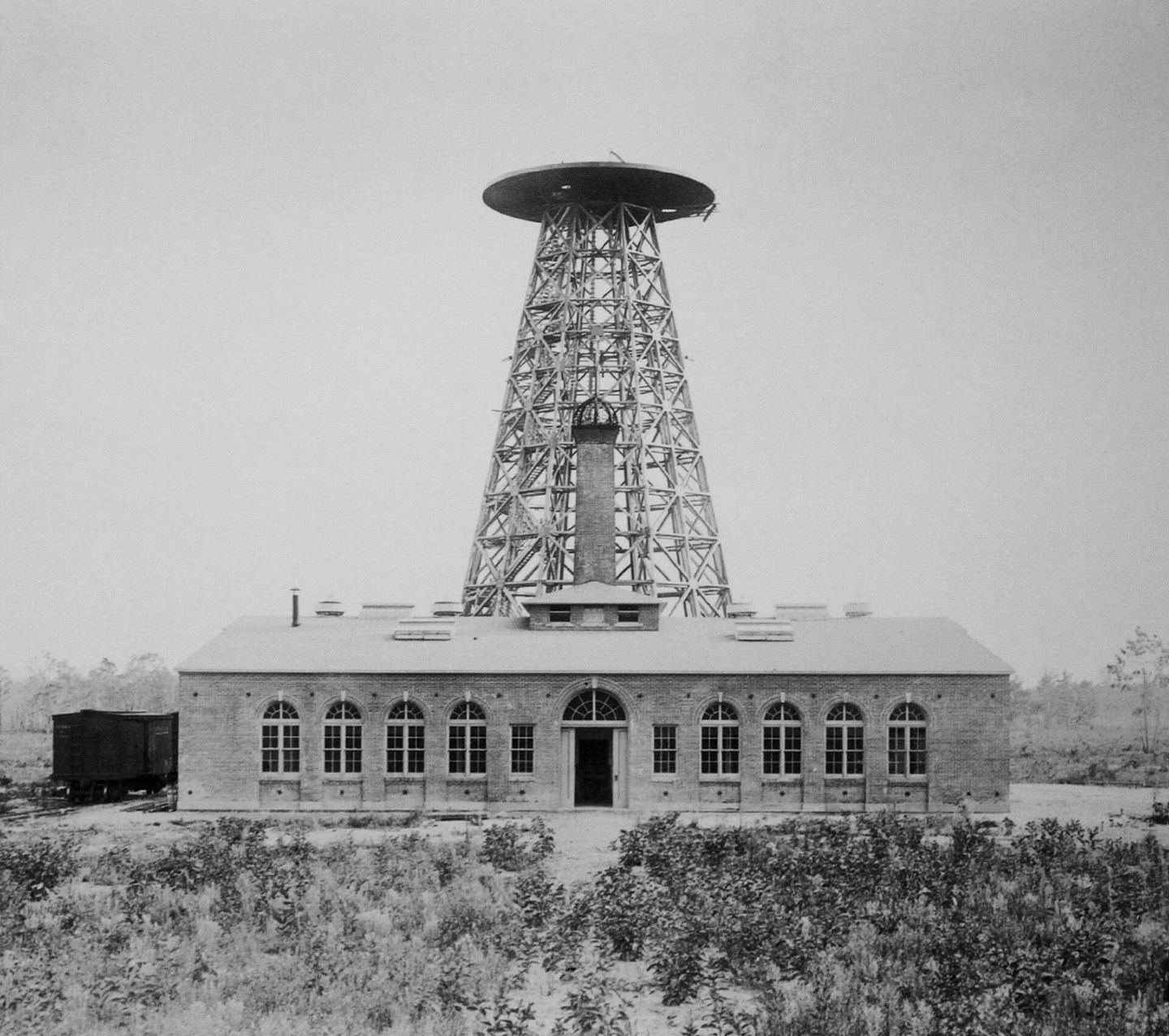
Wardenclyffe Tower, Tesla's wireless power transmission project on Long Island, new York. Public domain, via Wikimedia Commons
Tesla held over 300 patents, but many were incremental improvements on existing technologies rather than wholly original inventions. What made him exceptional was not just prolific output but his ability to see systems where others saw devices. He did not just invent an AC motor. He imagined an entire electrical grid built around alternating current. He did not just experiment with radio waves. He envisioned a global communication system decades before it existed. He thought in infrastructures, not products.
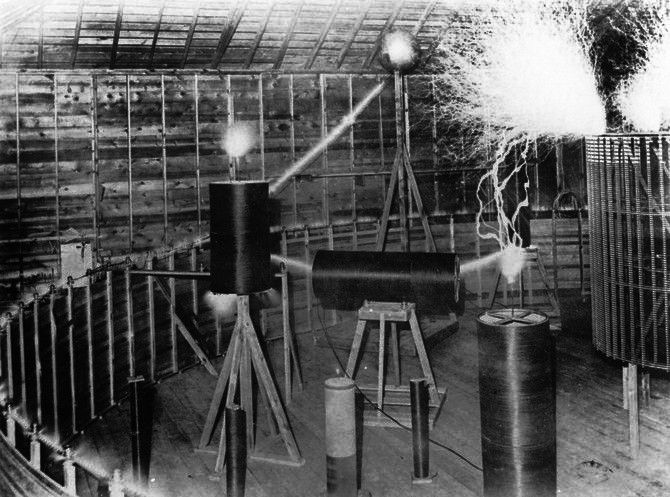
Resonance arcing between coils at Tesla's colorado springs laboratory, 1899. Nikola Tesla, Public domain, via Wikimedia Commons
The wireless world Tesla imagined is here, just not in the form he expected. We do not beam power through the atmosphere, but we do transmit information that way. The internet, cellular networks, satellites, all of it is wireless infrastructure connecting billions of devices. The energy still flows through wires, but the data moves through air. Tesla's dream was half right, which is more than most people manage.
studio / on-this-day / Jul 10