studio / on-this-day / Jul 8
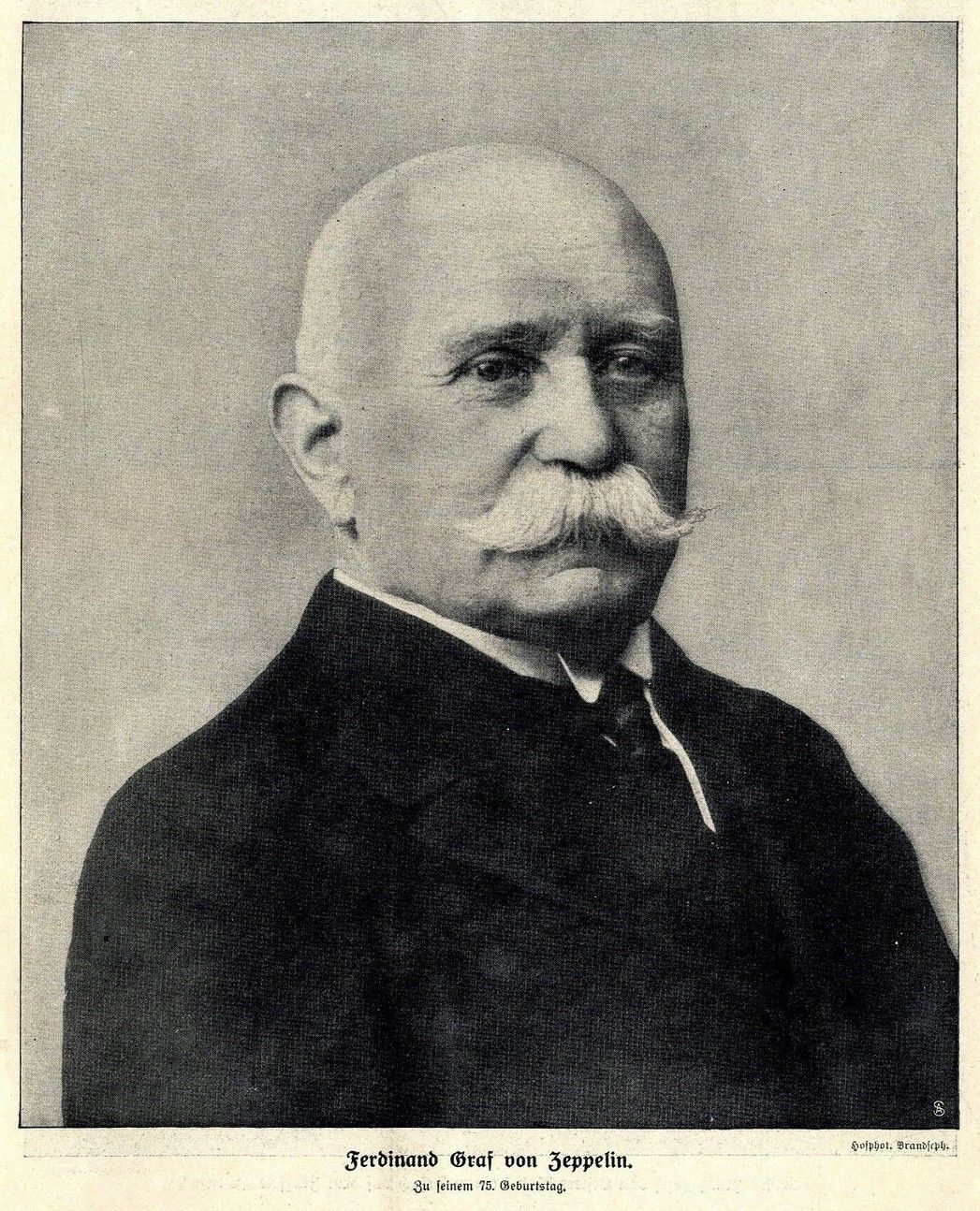
Count ferdinand von Zeppelin, 1913. Friedrich Brandseph, Public domain, via Wikimedia Commons
Sky Architecture
On this day in 1838 — Ferdinand von Zeppelin was born, convinced that the sky was meant for architecture and not just for birds.
2 min read
Ferdinand von Zeppelin was born on July 8, 1838, into a family of minor German nobility. He became a cavalry officer, fought in wars, and traveled to America during the Civil War, where he made his first balloon ascent in St. Paul, Minnesota, in 1863. The experience changed him. He saw the military potential of controlled flight and spent the rest of his life trying to build machines that could navigate the sky with precision. He did not want balloons, which drifted with the wind. He wanted flying ships, dirigible and powerful, capable of carrying cargo, passengers, and weapons across continents.
Zeppelin's obsession was with rigid airships, structures with internal frameworks made of aluminum rings and longitudinal girders. The framework held the shape of the vessel, and inside were gas cells filled with hydrogen. Engines mounted on gondolas beneath the hull provided propulsion. The first successful flight was on July 2, 1900, over Lake Constance, and though it lasted only eighteen minutes, it proved the concept. Over the next decade, Zeppelin refined the design, making the airships larger, faster, and more reliable.
What Zeppelin envisioned was not just transportation but a new form of architecture, structures that existed in three dimensions without touching the ground. His airships were enormous, some over 800 feet long, dwarfing any building of their time in at least one dimension. They required precision engineering, lightweight materials, and an understanding of aerodynamics that did not yet fully exist. Every component had to be optimized for weight. Every joint had to be strong enough to withstand wind stress but light enough not to prevent liftoff. It was engineering at a scale and complexity that had no precedent.
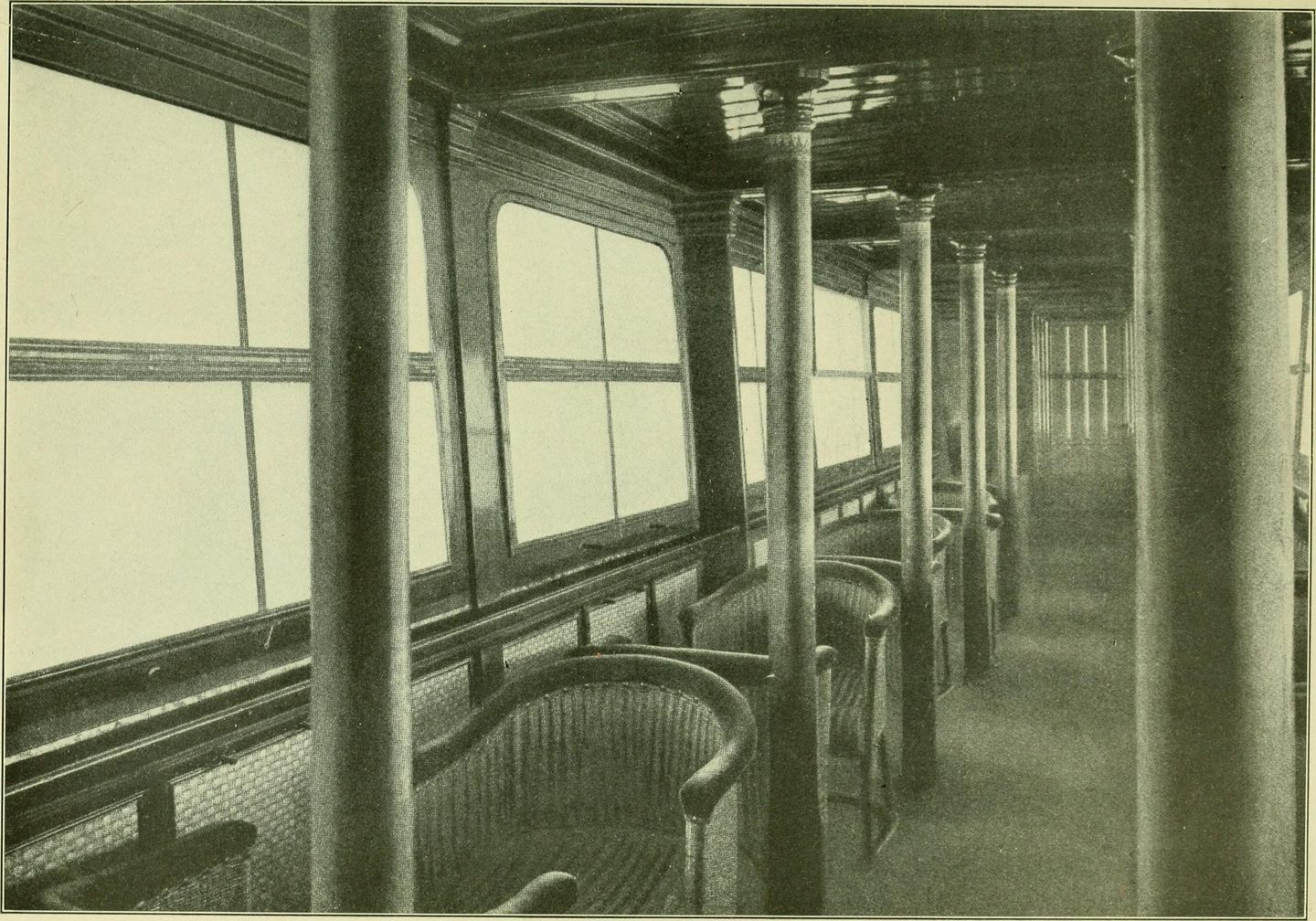
Interior cabin of the Zeppelin airship hansa. Henderson, Ernest F. (Ernest Flagg), 1861-1928, No restrictions, via Wikimedia Commons
Zeppelin died in 1917, before the peak of the airship era and before its catastrophic end. The machines that bore his name became symbols of both human ambition and its limits. They crossed oceans, carried passengers in luxury, and were used as weapons of war. But they were also fragile, vulnerable to weather, fire, and the inherent instability of hydrogen. The Hindenburg disaster in 1937 ended the dream of passenger airships, but the engineering principles Zeppelin pioneered did not disappear. The idea of building lightweight, large-scale structures, of designing for environments where every ounce matters, those principles are still with us in aerospace, in tensile architecture, in the design of satellites and space stations.
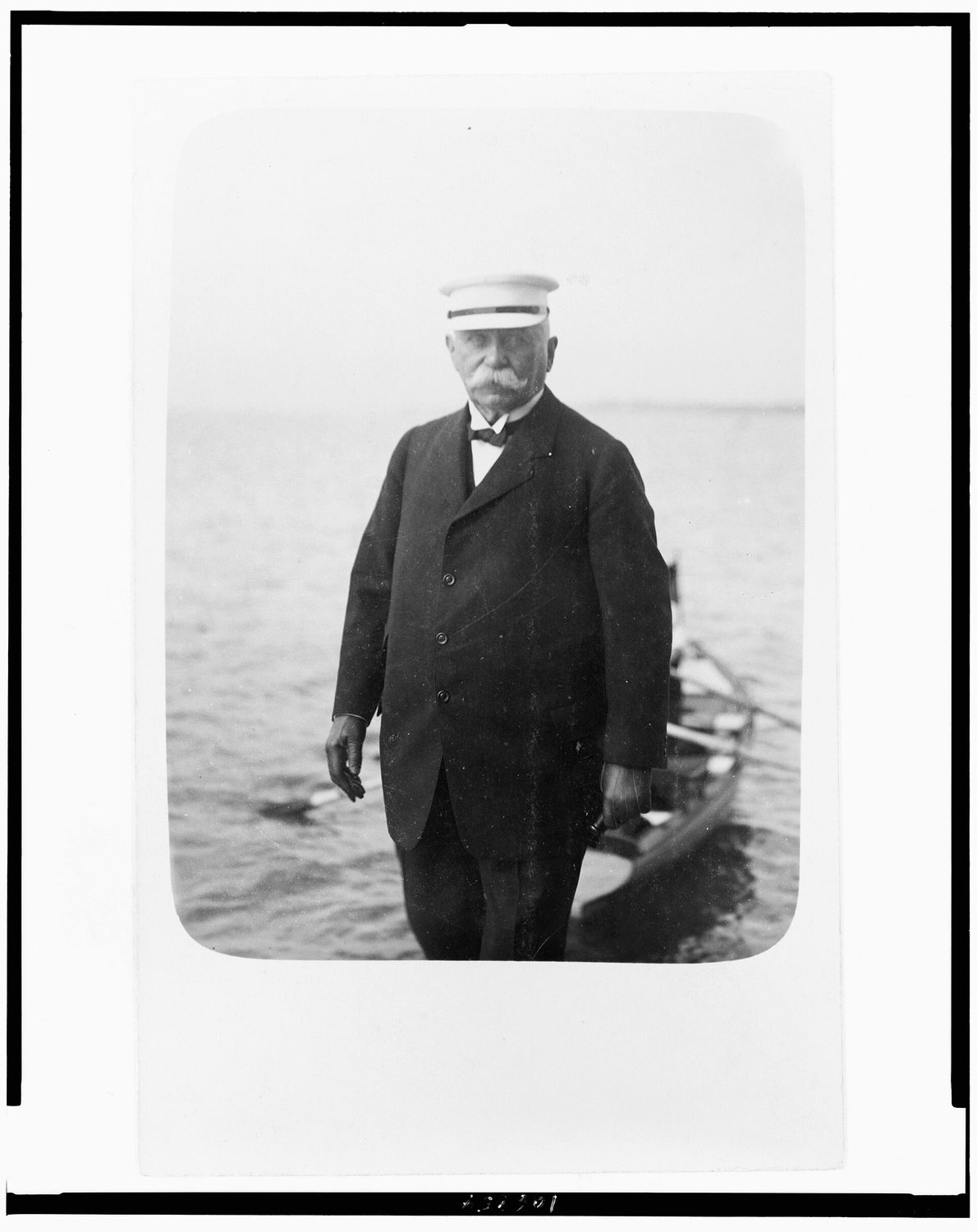
Count Ferdinand von Zeppelin, pioneer of the rigid airship. Public domain, via Wikimedia Commons
Zeppelin's contribution was not just technical but conceptual. He insisted that the sky could be inhabited, that structures could be designed to exist there, not just pass through. That shift in thinking, from flight as a momentary event to flight as a sustained condition, opened the door to everything that followed.
studio / on-this-day / Jul 8