studio / on-this-day / Mar 20
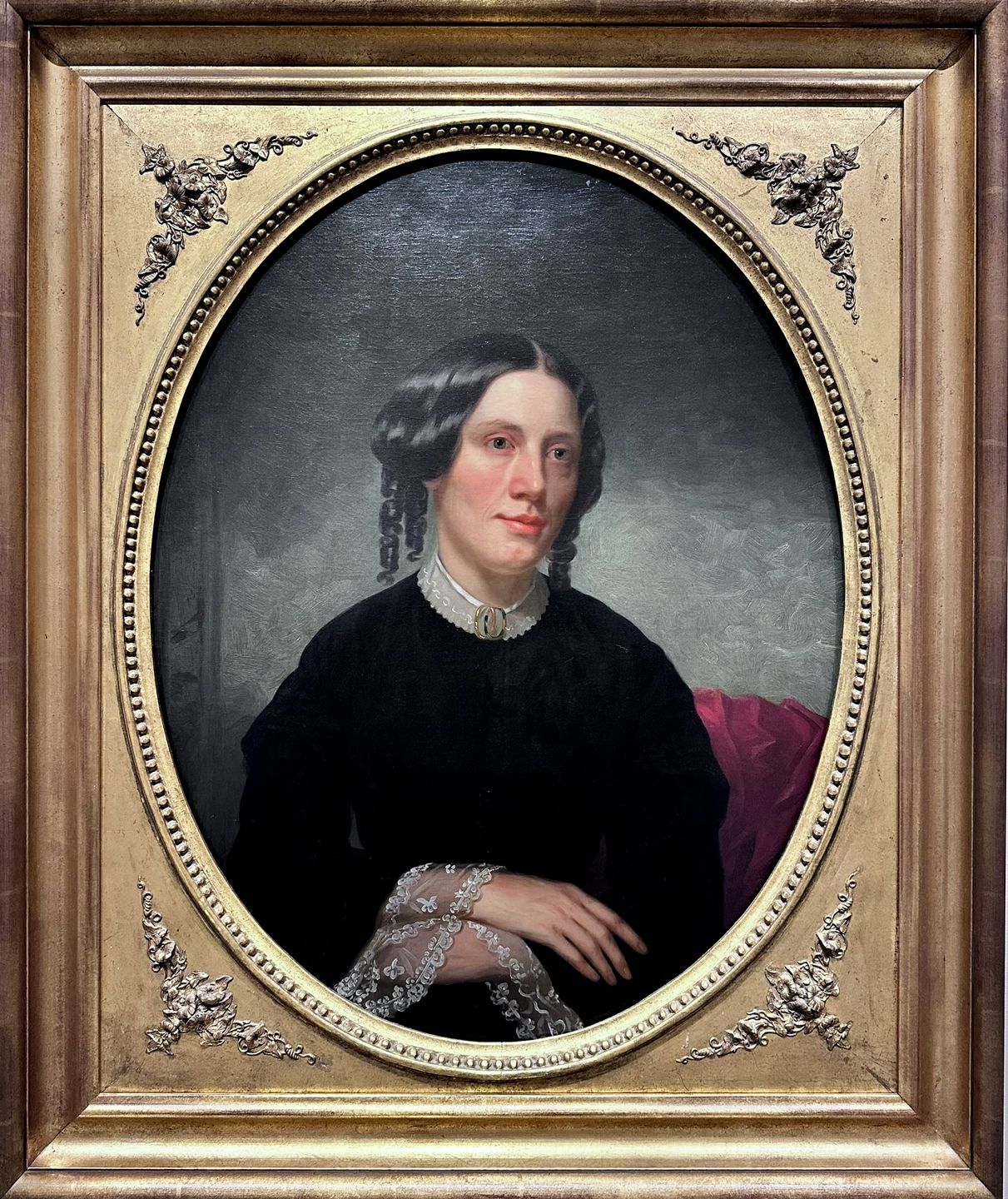
Harriet Beecher Stowe, painted in 1853. public domain, via Wikimedia Commons
The Book That Started a War
On this day in 1852 — Harriet Beecher Stowe published Uncle Tom's Cabin. It sold 300,000 copies in a year and made the human cost of slavery impossible for the North to ignore.
4 min read
On March 20, 1852, Harriet Beecher Stowe published Uncle Tom's Cabin, a novel about the lives of enslaved people in the American South. It sold ten thousand copies in its first week and three hundred thousand within a year, staggering numbers for the time, and it did something political argument had failed to do: it made a vast number of Northern readers feel, personally and unbearably, what slavery actually did to human beings.
That was the design of it, whether or not Stowe would have used the word. The debate over slavery had long been conducted in the language of law, economics, and abstract rights, a register that let comfortable people keep the horror at arm's length. Stowe bypassed all of it. She told a story with characters readers came to love, and then showed those characters being sold, beaten, and torn from their families. She converted a policy question into an emotional experience.
This is a genuinely different mechanism from argument, and often a more powerful one. A statistic about human beings sold can be acknowledged and set down. A mother watching her child taken away, rendered vividly enough that the reader lives it, is much harder to put back on the shelf. Stowe understood, intuitively, that people are moved to act less by data than by story, and she built a machine out of narrative to move an entire region.
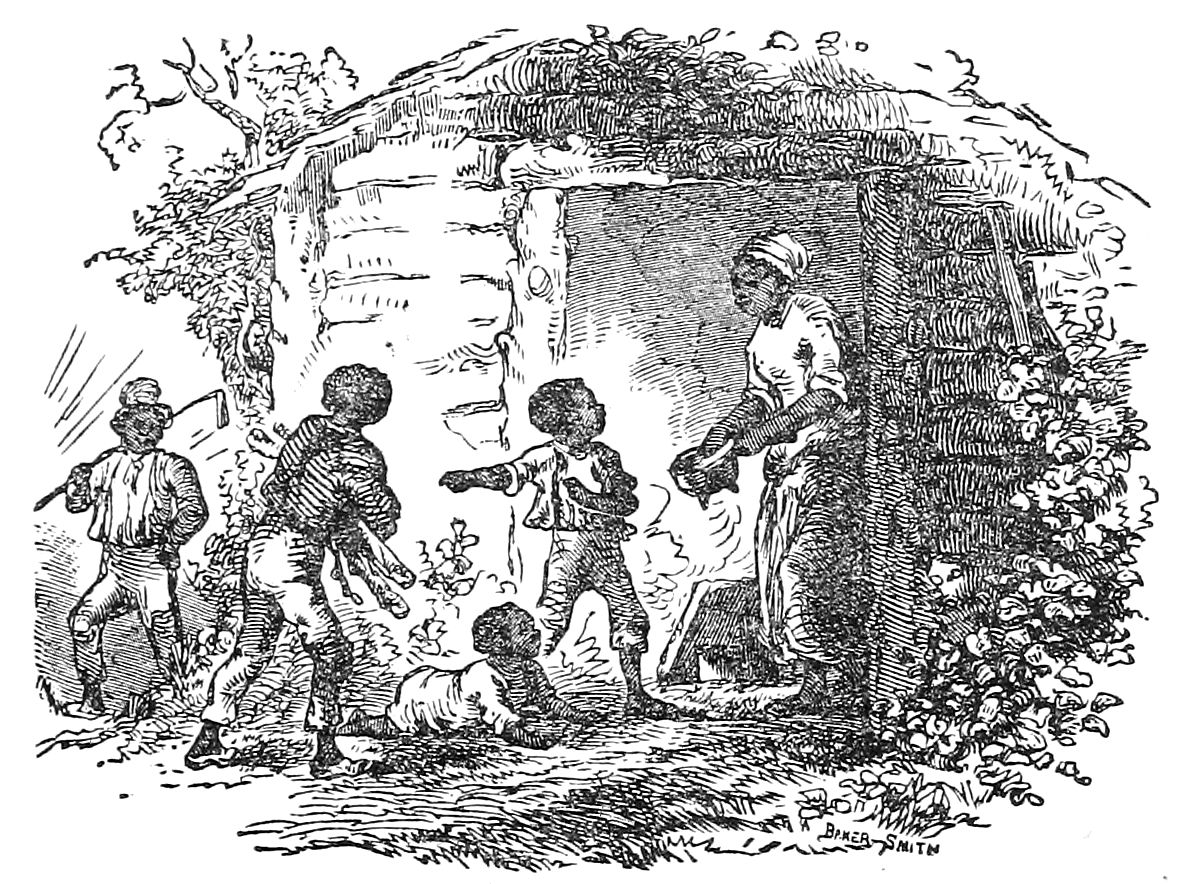
The title page of the 1852 first edition of "Uncle Tom's Cabin." Public domain, via Wikimedia Commons
It worked to a degree that is hard to overstate. The book was a phenomenon, adapted into countless stage versions, argued about in every parlor, and credited, then and since, with hardening Northern opposition to slavery in the decade before the Civil War. There is a famous, probably apocryphal story that Lincoln greeted Stowe as the little lady who started this great war. Apocryphal or not, it captures how large her effect was felt to be.
It was not a perfect book, and it has a complicated legacy; some of its characters hardened, later, into painful stereotypes, and its portrait of the people it meant to defend has been justly criticized. But its immediate historical function was enormous and clear: it took the most important moral question of its age and made millions of comfortable people unable to look away from it.
The lesson for anyone trying to change how people think is in the method. Stowe did not win by being more right than the abolitionist essayists; they were already right. She won by being more effective, by choosing a form, the popular novel, that could carry the message past readers' defenses and into the part of them that acts. The framing and the format did the work.
She was a woman with no political office and no formal power, and she moved the country as much as almost any politician of her era, using the one tool available to her: a story, told well enough that people could not un-feel it. On March 20, 1852, a book appeared that turned an argument people had been managing to avoid into an experience they could not, and the country was different afterward.
studio / on-this-day / Mar 20