studio / on-this-day / Dec 18
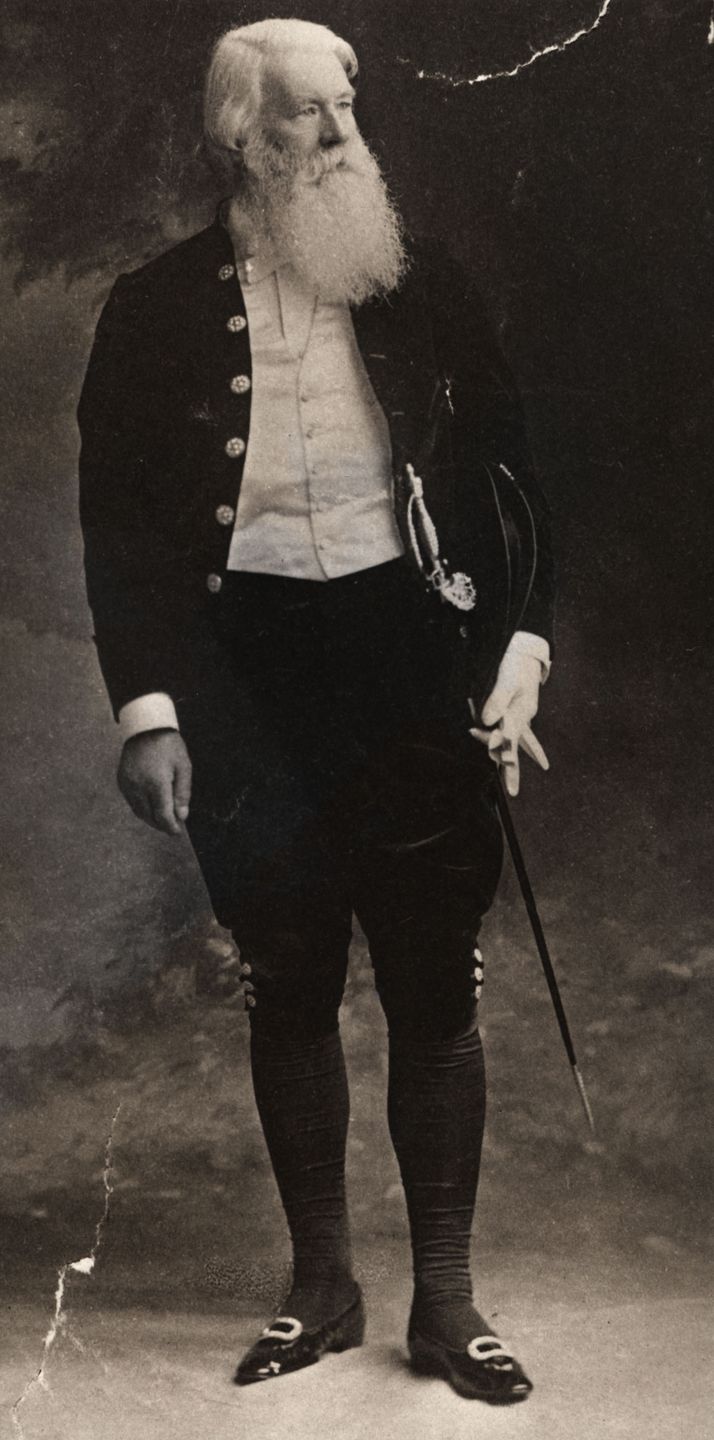
Sir Joseph wilson Swan, 1880s. Tyne & Wear Archives & Museums, No restrictions, via Wikimedia Commons
Light Before Edison
On this day in 1878 — Joseph Swan demonstrated a working electric light in Newcastle, a reminder that Edison was never quite alone in the race.
3 min read
On December 18, 1878, Joseph Swan stood in front of an audience in Newcastle upon Tyne and switched on an electric light bulb. The filament glowed. The room brightened. It stayed lit for several hours. This was not the first electric light, but it was the first practical one. A carbon filament in a vacuum bulb, powered by electricity, producing steady, usable light. Edison would demonstrate a similar bulb a year later in America. Swan got there first.
History remembers Edison. It mostly forgets Swan. This is partly because Edison was a relentless self-promoter and partly because the legal battle over who invented the light bulb ended in a merger, not a winner. The two men formed the Edison and Swan United Electric Light Company. But the story of Swan matters because invention is rarely singular. It is almost always parallel, a race between people working on the same problem in different places, each one building on what came before.
Swan had been experimenting with incandescent light since the 1850s. The concept was simple in theory: pass electricity through a thin wire, and it heats up until it glows. The challenge was finding a material that could glow without burning up. Early experiments used platinum, which did not burn but required too much current. Carbon worked better, but it burned out quickly in the presence of oxygen. The solution was to seal the filament in a vacuum, removing the air so there was nothing to burn.
Creating a reliable vacuum was the hard part. Swan spent decades refining the process. His early bulbs worked, but only for a few hours. By the time he gave his public demonstration in 1878, he had developed a carbonized paper filament that could last much longer. A year later, he improved it further using carbonized cotton thread. By 1881, Swan's bulbs were being installed in homes and theaters across England.
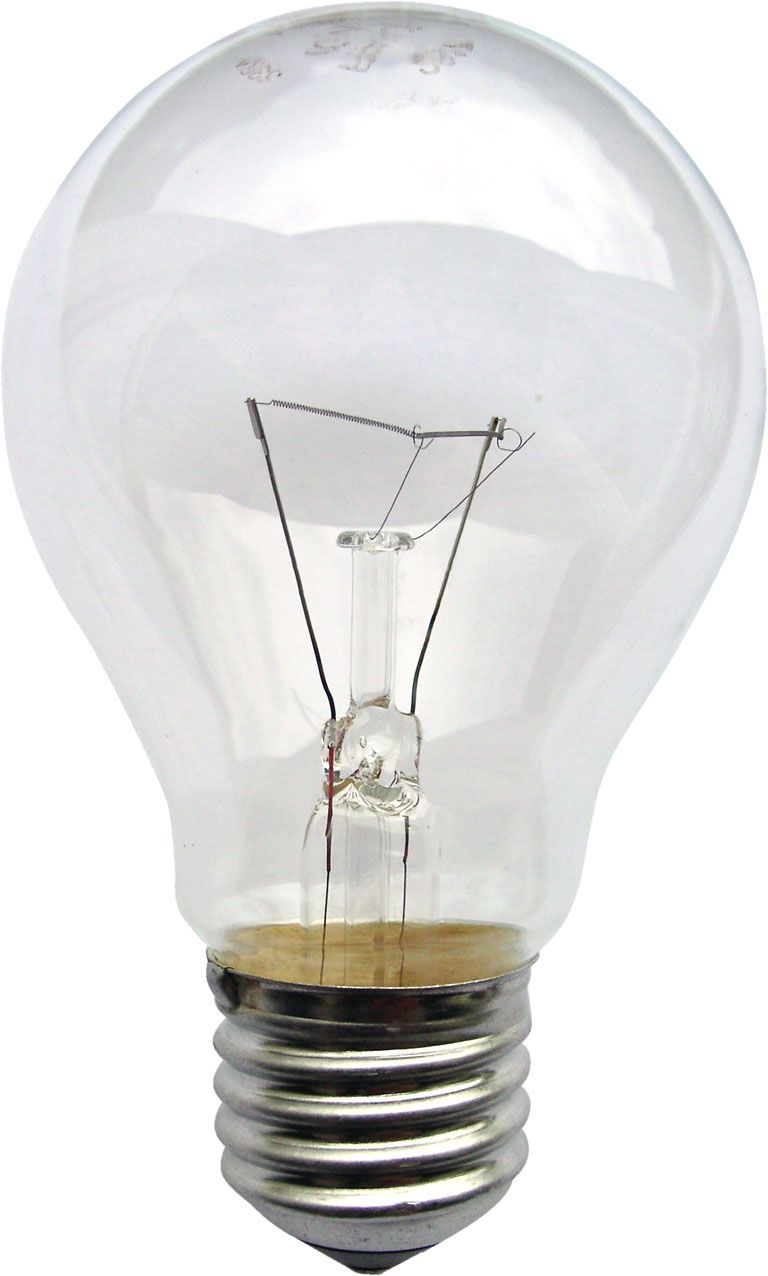
Early incandescent Light bulb. KMJ, CC BY-SA 3.0, via Wikimedia Commons
Meanwhile, across the Atlantic, Edison was working on the same problem. He tested thousands of materials before settling on a bamboo filament. His bulb, demonstrated in October 1879, lasted longer than Swan's initial designs. Edison also focused on the infrastructure: generators, wiring, sockets, switches. He was building a system, not just a product. By 1882, he had electrified a section of lower Manhattan. The Edison Electric Light Company became General Electric.
Swan and Edison sued each other for patent infringement. The cases dragged on. In 1883, they agreed to merge their British operations. Swan held the earlier patent in the UK. Edison had the earlier patent in the US. Neither could claim sole credit. This is how innovation actually works. Multiple people arrive at similar solutions at roughly the same time because the underlying technology has reached a point where the next step becomes visible to anyone paying attention.
Swan's house in Gateshead became the first in the world to be lit entirely by electric light bulbs. He installed them in 1878, the same year as his public demonstration. The installation predated Edison's Menlo Park laboratory by a year. Swan also pioneered the use of cellulose for photographic film, which Thomas Edison would later adapt for motion pictures. Swan was an inventor in the truest sense, someone who saw a problem and kept iterating until it was solved.
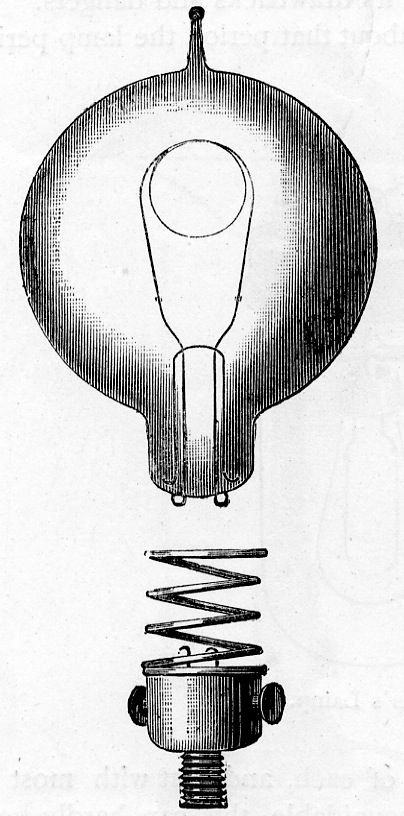
Swan's incandescent lamp, the practical result of decades of vacuum and filament work. Public domain, via Wikimedia Commons
The light bulb did not change the world overnight. Gas lighting was well-established, and electric infrastructure did not exist. But by the turn of the century, electric light was spreading. Cities glowed at night. Factories could run around the clock. The rhythm of human activity, tied to daylight for millennia, was suddenly flexible. Night became optional. Joseph Swan helped make that happen, even if most people never learned his name. The system that emerged bore both his work and Edison's, along with contributions from dozens of other experimenters whose names are even less remembered. Light, like most technological shifts, was a collective achievement built from overlapping insight.
studio / on-this-day / Dec 18