studio / on-this-day / Aug 31
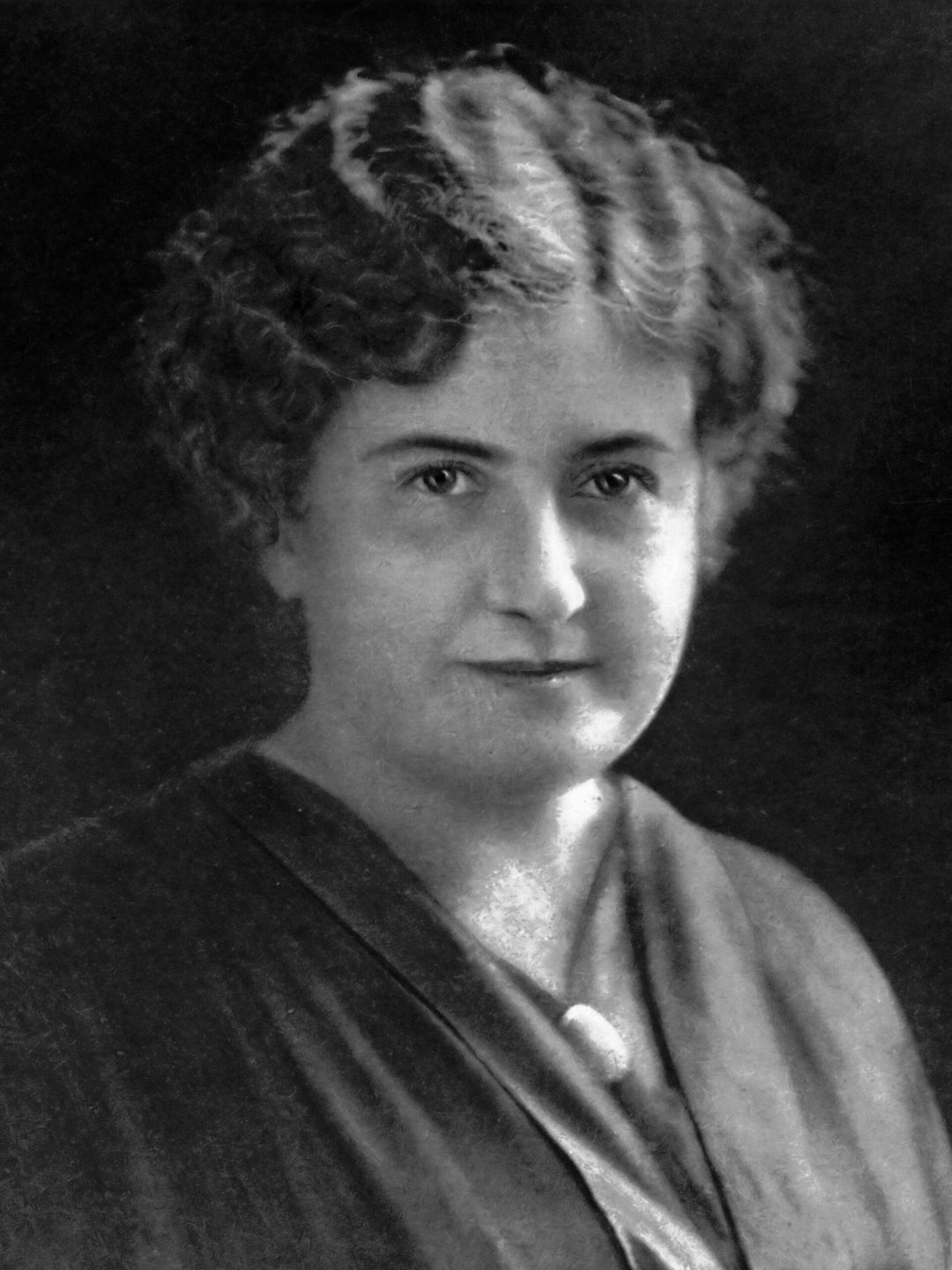
Maria Montessori, physician and educator. Public domain, via Wikimedia Commons
She Watched the Children First
On this day in 1870 — Maria Montessori was born. Italy's first woman doctor turned a careful, unsentimental study of how children actually learn into a method now used in thousands of schools worldwide.
4 min read
Maria Montessori was born on August 31, 1870, in Italy, and made her first mark simply by becoming a doctor, one of the first women in Italy to do so, over real institutional resistance. That medical training turned out to matter enormously, because it shaped how she would later approach education. She came to teaching not as a philosopher with a theory of childhood, but as a clinician trained to observe.
Her early work was with children the system had written off, poor children, and children with developmental disabilities dismissed as uneducable. Montessori refused the label and did something quietly radical: she watched them, closely and without sentiment, to see what they actually did and what actually helped them learn. When her methods produced children who outperformed expectations dramatically, she concluded the problem had never been the children. It had been the environment built around them.
So she set about designing a better one. In 1907 she opened a Casa dei Bambini, a "children's house," in a poor Roman neighborhood, and used it as a kind of laboratory. She built child-sized furniture, hands-on materials a child could work with alone, and long uninterrupted blocks of time, then observed what happened when children were free to choose their own tasks. The classroom itself became the instrument, tuned by watching how children responded.
The core of her method is that inversion. Conventional schooling started from the adult, the teacher at the front, delivering content on a schedule. Montessori started from the child, from careful observation of how attention, independence, and mastery actually develop, and then engineered the room, the materials, and the teacher's role to fit what she saw. She designed the system around the real user, not the other way around.
A 1913 account of Montessori's schools; her "children's houses" spread across the world within a few years. Public domain, via Wikimedia Commons
It worked, and it traveled with startling speed. Within a few years there were Montessori schools across Europe and the Americas, and more than a century later her name is on thousands of classrooms worldwide. The materials she designed by trial and observation, the specific objects for counting, reading, and sorting, are still in use, largely unchanged, because they were arrived at empirically and they hold up.
What makes her a designer, and not only an educator, is the method behind the method. She did not decide in advance how children ought to learn and then insist on it. She observed, prototyped, watched the results, and revised, letting the evidence from real children reshape the design. That is closer to how good engineering works than to how education was usually done.
She kept refining and defending the approach for the rest of her long life, through wars and exile, until her death in 1952. On August 31, 1870, a woman was born who would treat a classroom as something to be designed from careful observation rather than assumed, and who proved that when children seem to be failing, the first thing to examine is the environment we built for them.
studio / on-this-day / Aug 31