studio / on-this-day / Jan 22
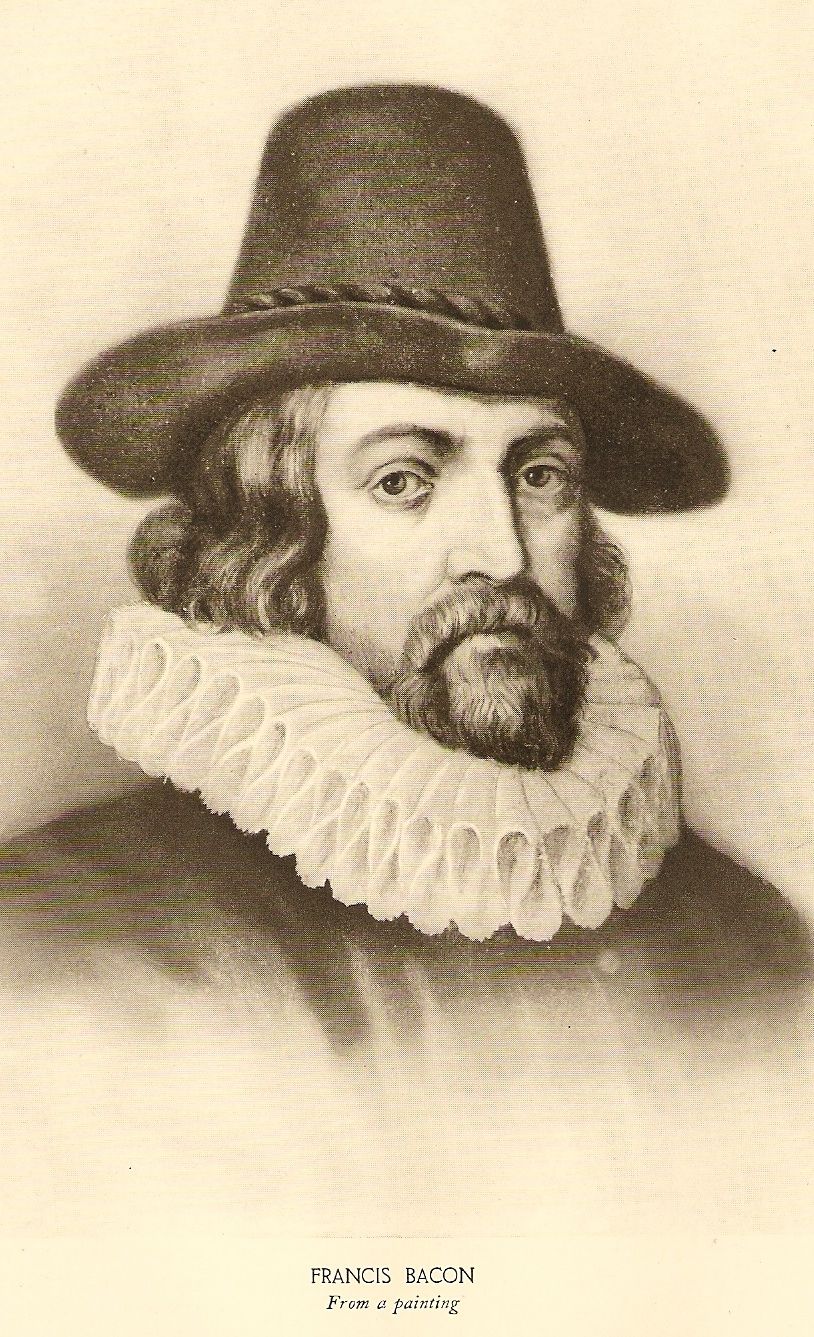
Portrait of francis Bacon (1561–1626), philosopher, statesman, and architect of the scientific method. Public domain, via Wikimedia Commons
The Method Behind Everything
On this day in 1561 — Francis Bacon was born, and would insist that real knowledge comes from evidence and experiment rather than authority.
3 min read
Francis Bacon was born in London on January 22, 1561, into a politically connected family. He studied at Cambridge, trained as a lawyer, served in Parliament, and became Lord Chancellor under King James I. He wrote essays on everything from gardens to revenge. But his most lasting contribution had nothing to do with politics or literature. Bacon designed a process for discovering truth that replaced centuries of philosophical speculation with something more reliable: systematic observation, hypothesis testing, and reproducible results.
Before Bacon, knowledge came from authority. If Aristotle said something about nature, it was accepted as true for two thousand years. Bacon argued the opposite: don't trust ancient texts, trust evidence. Don't deduce from first principles, gather data and look for patterns. He called this approach induction, building general theories from specific observations rather than imposing theory onto observation. It was a procedural inversion that fundamentally changed how humans acquire knowledge.
Bacon's method had structure. Start with observation. Collect data systematically. Look for patterns. Form a hypothesis. Test it. Refine the hypothesis based on results. Repeat. This wasn't philosophy in the abstract sense. It was a workflow, a checklist, a repeatable procedure that anyone could follow. You didn't need to be a genius. You needed discipline, patience, and a willingness to be wrong. Bacon turned discovery into a process rather than an act of inspiration.
The implications were enormous. If knowledge could be systematically generated, then progress was no longer dependent on rare individuals having brilliant insights. Teams could collaborate. Results could be verified. Mistakes could be identified and corrected. Science became cumulative. Each generation built on the previous one instead of reinterpreting the same ancient texts. Isaac Newton wouldn't have developed calculus without Bacon's framework. Neither would Darwin, Einstein, or anyone else who tested an idea with evidence.
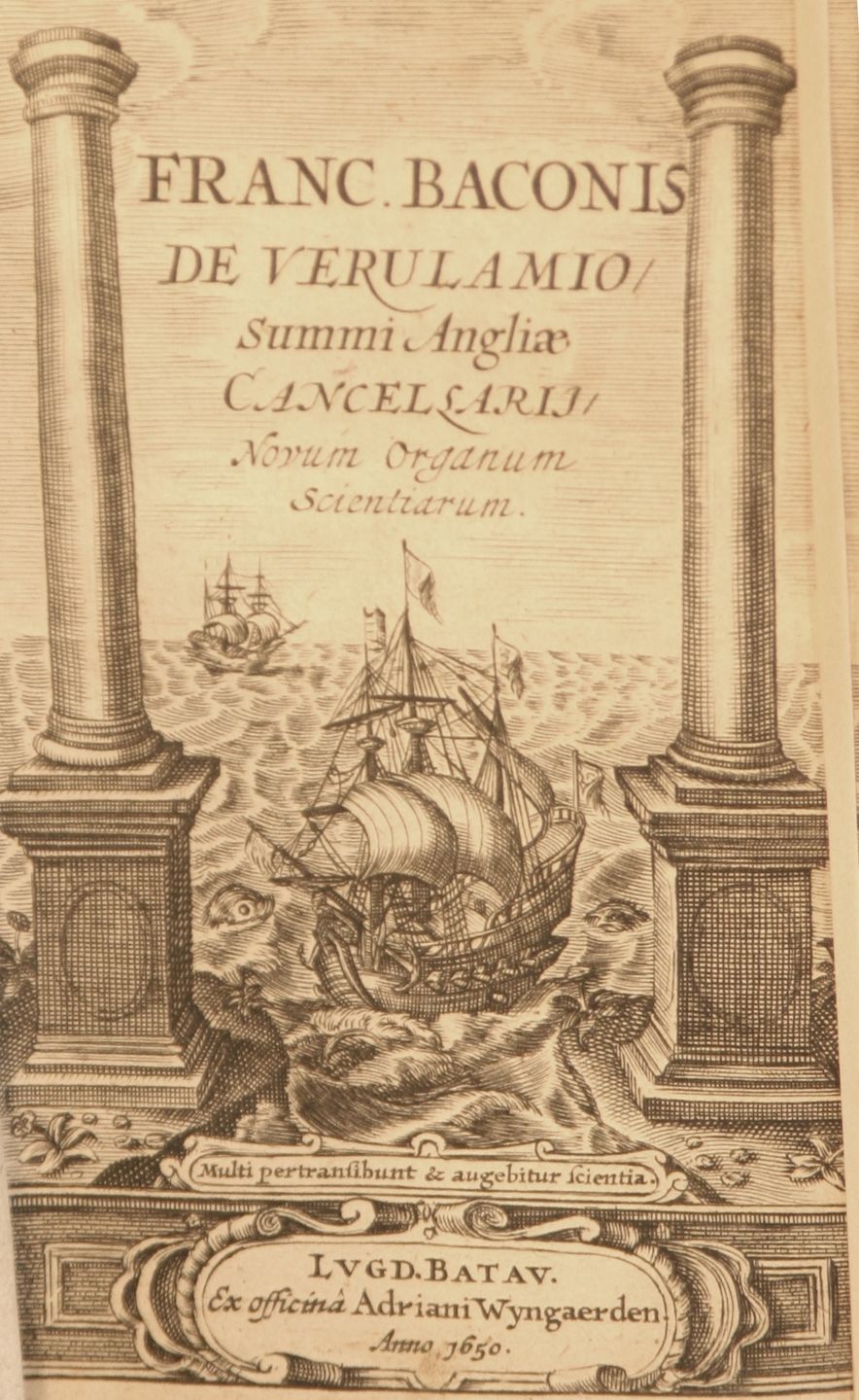
Frontispiece from the 1650 edition of Bacon's novum organum scientiarum, his landmark 1620 work laying out the empirical method. John P. McCaskey cropped by Smartse, CC BY 3.0, via Wikimedia Commons
Bacon also understood that biases distort observation. He cataloged what he called "idols of the mind," systematic errors in how humans perceive reality. Some biases come from human nature: we see patterns that aren't there. Some come from language: words shape thought in misleading ways. Some come from tradition: we inherit bad ideas. And some come from individual temperament: we see what we want to see. Recognizing these biases was the first step toward designing better experiments that account for them.
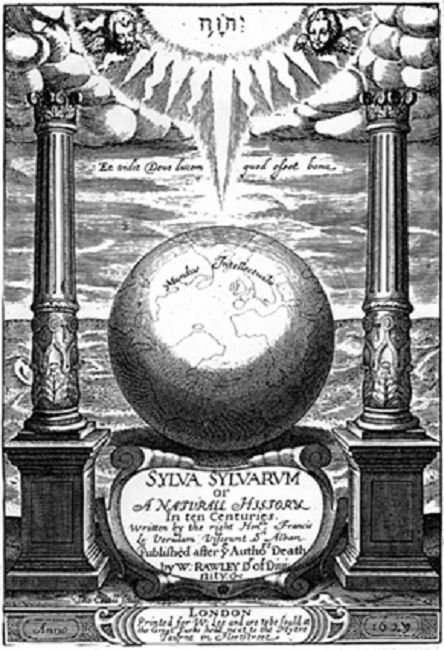
Frontispiece of Bacon's sylva sylvarum, his posthumously published natural history compiling experiments and observations of the physical world. Francis Bacon, Public domain, via Wikimedia Commons
His ideas weren't immediately adopted. Bacon died in 1626 after catching pneumonia during an experiment involving stuffing a chicken with snow to test whether cold could preserve meat. The experiment worked, but he didn't survive to publish the results. Within a few decades, though, his method became the foundation for the Royal Society, the first scientific institution explicitly organized around empirical research. By the 18th century, the scientific method was standard practice.
Every A/B test, every controlled trial, every data-driven decision today is downstream of Bacon's insight: knowledge is built through structured inquiry, not inherited wisdom. Design thinking, lean methodology, agile development, all follow the same loop: observe, hypothesize, test, iterate. Bacon didn't invent curiosity. He invented the system for turning curiosity into reliable knowledge. The method still works.
studio / on-this-day / Jan 22