studio / on-this-day / Aug 6
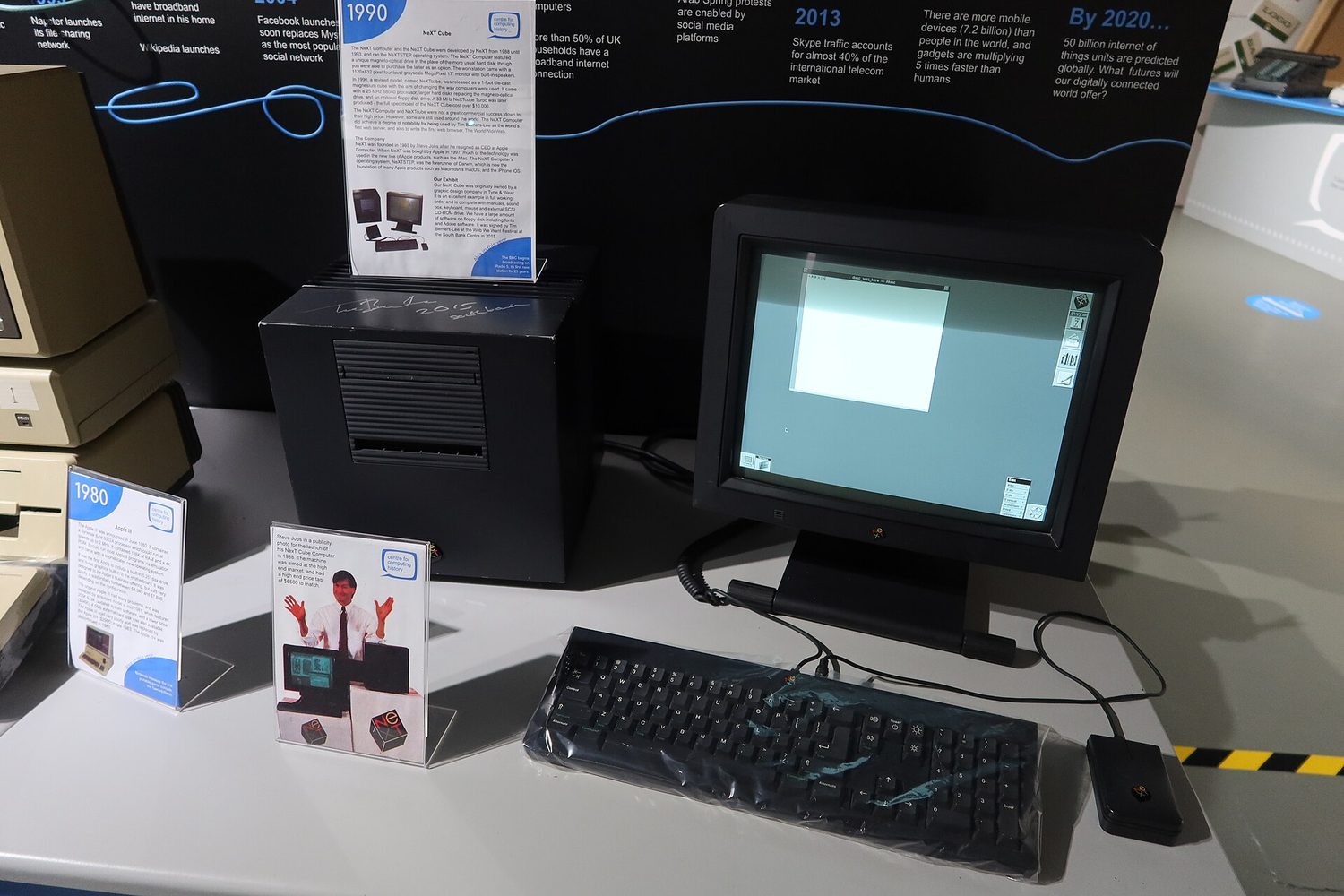
A NeXT Cube, the model of computer on which Tim Berners-Lee built the first web server and browser. Steve Elliott from UK, CC BY-SA 2.0, via Wikimedia Commons
The Day the Web Went Public
On this day in 1991 — Tim Berners-Lee put the World Wide Web online for anyone to use, and gave the whole thing away for free.
3 min read
On August 6, 1991, Tim Berners-Lee posted a short message to the alt.hypertext newsgroup on Usenet. The subject line read: "WorldWideWeb: Summary." The message described a project he had been working on at CERN, the European particle physics laboratory in Switzerland. It was a system for linking documents across computers using hypertext. The message included instructions for accessing the software and invited others to contribute. There was no fanfare. No press release. Just a message on a bulletin board, offering something new to anyone who wanted to try it.
Berners-Lee had been building the web for two years. His goal was modest and practical: he wanted to help physicists at CERN share information more efficiently. The lab had thousands of researchers working on complex projects, using different computer systems, storing data in incompatible formats. Information was siloed. Collaboration was slow. Berners-Lee saw the problem as a design challenge. What if documents could link to each other, regardless of where they were stored or what system they were on? What if information could be distributed, decentralized, and accessible to anyone with a computer?
The web was built on three core technologies, all designed by Berners-Lee. HTML, HyperText Markup Language, defined how documents were structured. HTTP, HyperText Transfer Protocol, defined how those documents were transmitted. And URLs, Uniform Resource Locators, defined how documents were addressed. Together, these three pieces created a system where any document could link to any other document, anywhere in the world. It was elegantly simple, and it scaled infinitely.
What made the web revolutionary was not the technology itself. Hypertext had existed since the 1960s. Networked computers had been around for decades. What was revolutionary was the decision to make the web open and free. Berners-Lee and CERN chose not to patent the technology. They did not try to license it or control it. On April 30, 1993, CERN released the web's underlying code into the public domain, ensuring that anyone could use it, modify it, and build on it without permission or payment. That decision is why the web became the web, instead of a proprietary system owned by a corporation.
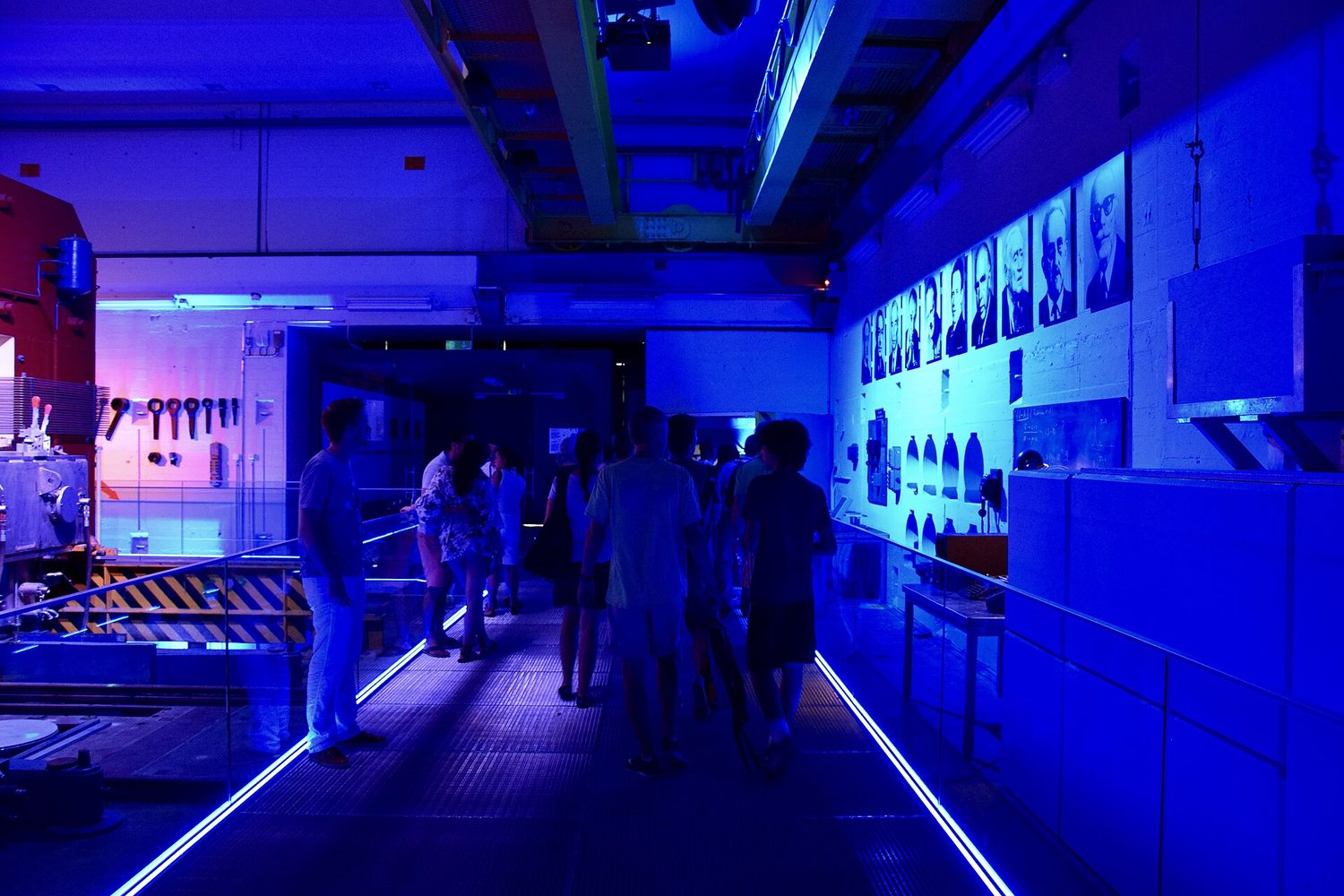
CERN in Geneva, where Tim Berners-Lee created the World Wide Web. Ank Kumar, CC BY-SA 4.0, via Wikimedia Commons
In 1991, there was only one website in the world: info.cern.ch, hosted on Berners-Lee's NeXT computer. The page explained what the World Wide Web was, how to use a browser, and how to set up a server. It was simultaneously a demonstration, a manual, and an invitation. By the end of 1993, there were 623 websites. By the end of 1994, there were 10,000. By the end of 1995, there were 100,000. The growth was exponential because the barrier to entry was nearly zero. If you had a computer and a connection, you could publish. If you could publish, you could link. If you could link, you could participate in a global, distributed information system.
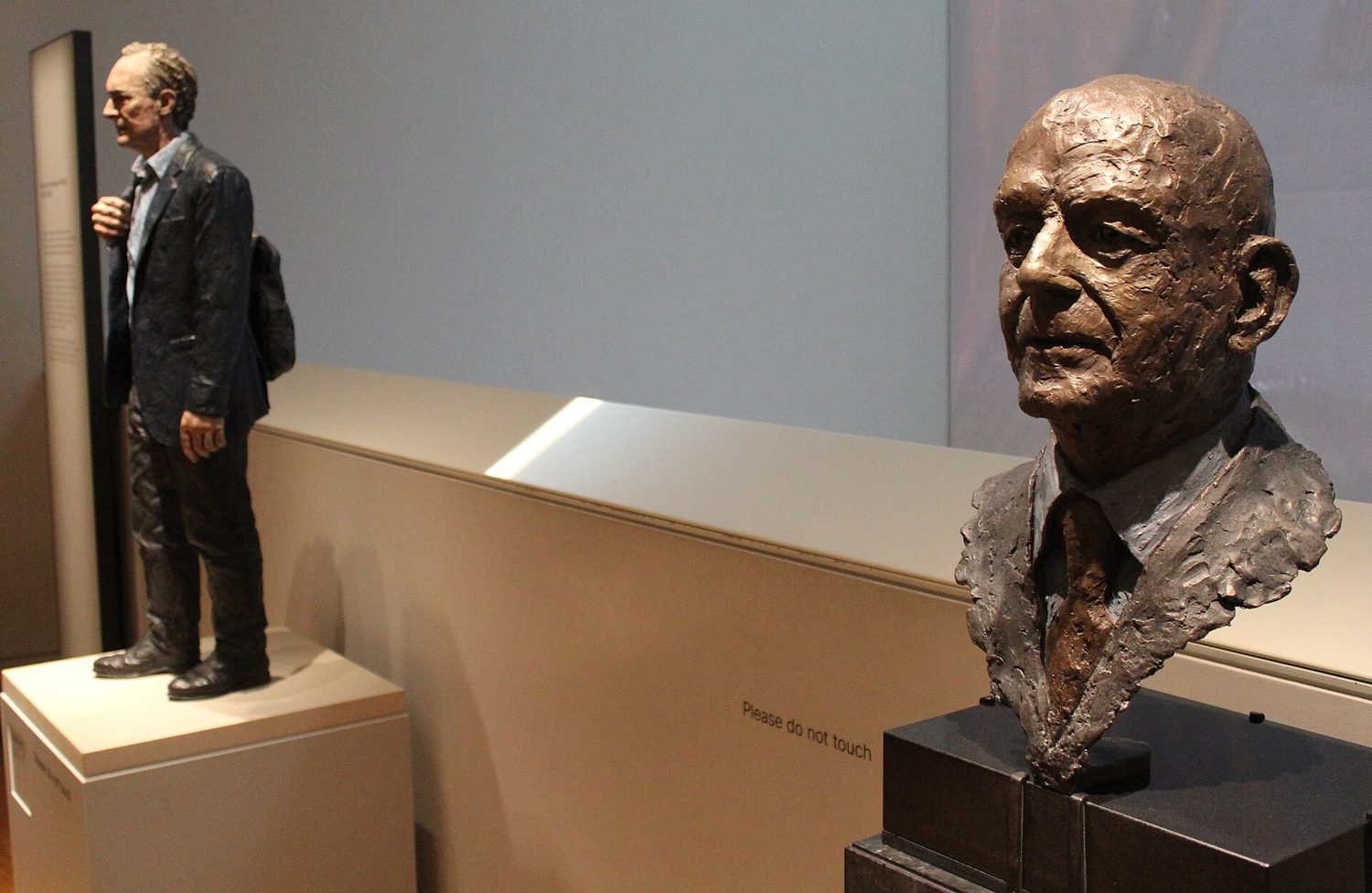
Tim Berners-Lee, who created the World Wide Web and gave it away. Public domain, via Wikimedia Commons
The web transformed how humans share knowledge, conduct commerce, build communities, and create culture. It decentralized publishing, made global communication instantaneous, and turned information access into a universal expectation. But it also introduced new problems: misinformation, surveillance, monopolization, and the erosion of privacy. The web's openness made it powerful, but that same openness made it vulnerable to exploitation. Berners-Lee designed the web to be free. He did not design it to be safe.
Today, there are nearly two billion websites. The web is the default interface for most human knowledge, most commerce, and most communication. It is so pervasive that it is nearly invisible. We don't think about HTML or HTTP or URLs. We just click links. But those links are not magic. They are the result of a system designed by a physicist who wanted to solve a specific problem at a specific lab, and then gave that solution away. The web exists because someone chose not to own it. That choice, made in 1991 and formalized in 1993, is one of the most consequential design decisions in modern history. Openness is a feature, not an accident. And sometimes, the most powerful thing you can design is a system that no one controls.
studio / on-this-day / Aug 6