studio / on-this-day / Aug 22
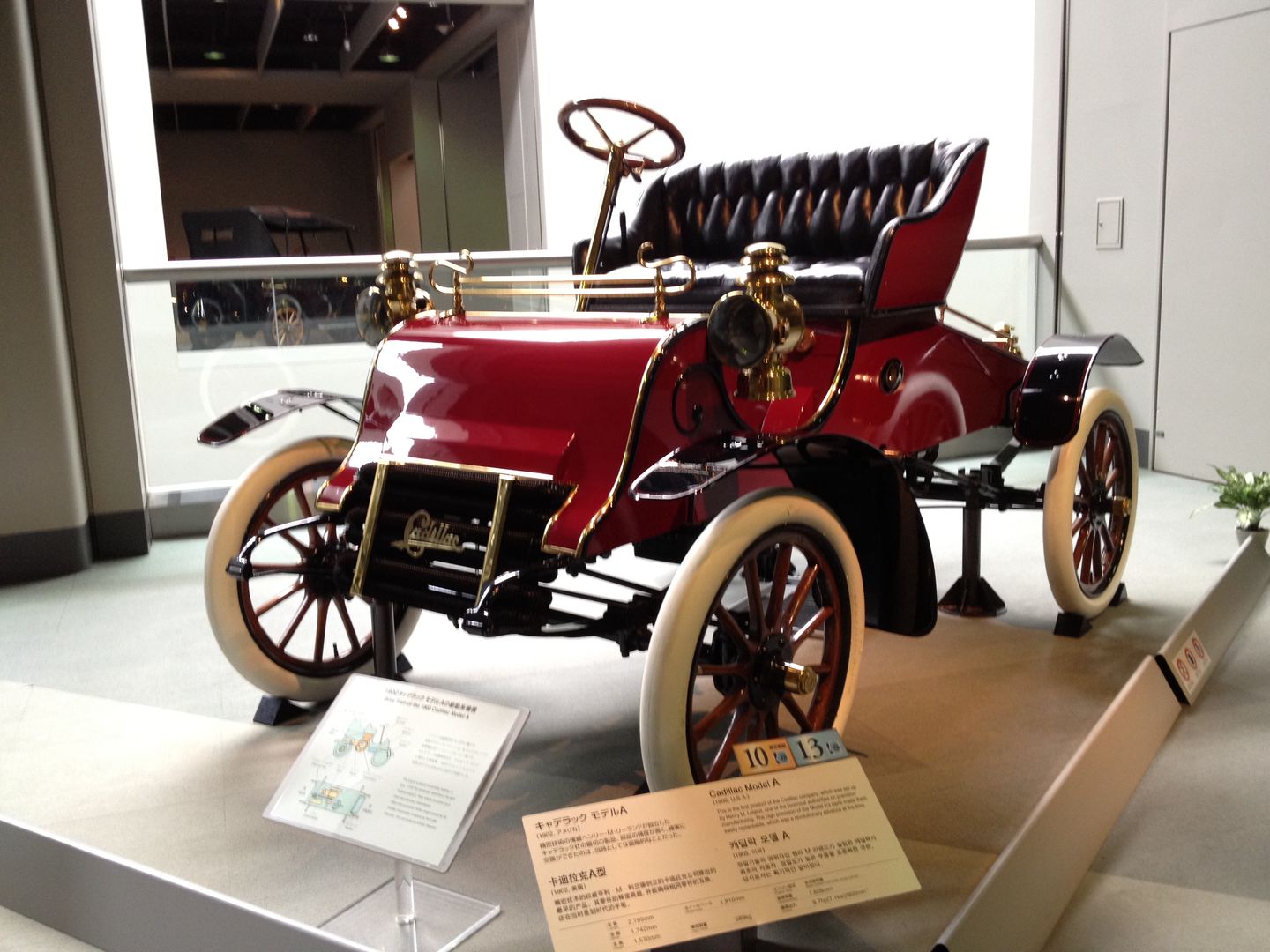
A 1902 Cadillac Model a — the first Automobile produced by the Cadillac Automobile Company, founded on August 22, 1902, on Henry Leland's principles of precision manufacturing. Iwao from Tokyo, Japan, CC BY 2.0, via Wikimedia Commons
Precision as Luxury
On this day in 1902 — the Cadillac company was founded, betting that precision engineering could itself be sold as luxury.
3 min read
On August 22, 1902, the Cadillac Automobile Company was founded in Detroit by Henry Leland and a group of investors who had just reorganized the failed Henry Ford Company. The name came from Antoine de la Mothe Cadillac, the French explorer who founded Detroit in 1701. The company's mission was straightforward: build automobiles with precision manufacturing techniques borrowed from watchmaking and gun production. What emerged was not just a car company but a philosophy that equated mechanical accuracy with luxury.
Henry Leland was a machinist, not a designer. He had spent years building precision machine tools and had supplied parts to firearm manufacturers, including Colt. He understood tolerances, interchangeability, and the idea that quality could be measured in thousandths of an inch. When he took over the remains of Ford's company, he brought those principles to automobile manufacturing, which at the time was still more craft than industry.
Early automobiles were essentially custom-built. Parts were hand-fitted to each vehicle. If something broke, you couldn't just replace it. You had to fabricate a new part or modify an existing one to fit. This made repairs expensive and unreliable. Leland changed that. He insisted on standardized parts machined to exact specifications. A Cadillac cylinder head from one car could be swapped into another without modification. This was revolutionary in 1902.
In 1908, Cadillac proved the value of precision in a dramatic demonstration. Three Cadillac Model K cars were completely disassembled, their parts mixed together in a pile, and then reassembled using only basic tools. All three cars ran perfectly. The demonstration took place at Brooklands racetrack in England under the supervision of the Royal Automobile Club. Cadillac won the Dewar Trophy for the achievement, establishing its reputation for engineering excellence.
This precision allowed Cadillac to do something competitors couldn't: offer reliable long-term performance. A car built to tight tolerances lasted longer, performed more consistently, and required less maintenance. Leland marketed this as luxury. You weren't just buying a car. You were buying certainty, craftsmanship, and the confidence that the machine would work as intended. Precision became a brand attribute.
Cadillac also pioneered other automotive innovations. In 1912, it introduced the electric self-starter, eliminating the need for hand-cranking an engine, which was dangerous and physically demanding. This single innovation made automobiles accessible to a much broader audience, particularly women. Charles Kettering designed the system, and Cadillac adopted it first. Other manufacturers followed within a few years.
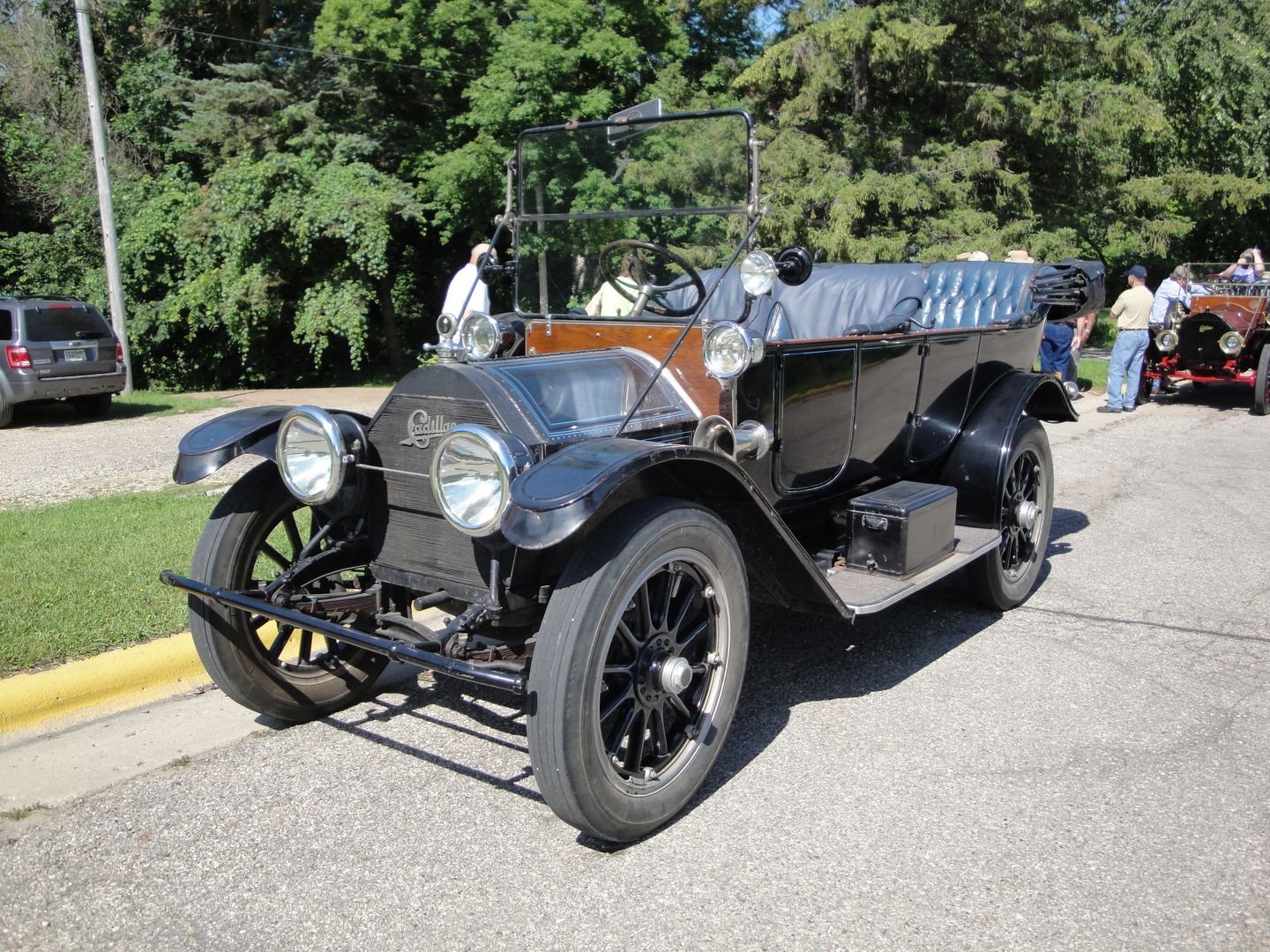
A 1912 Cadillac — the year the brand introduced charles Kettering's electric self-starter, ending the era of dangerous hand-cranking. Greg Gjerdingen from Willmar, USA, CC BY 2.0, via Wikimedia Commons
The brand's design language evolved to match its engineering philosophy. Cadillacs were refined, elegant, and visually distinctive. The company understood that luxury wasn't just about performance. It was about perception. The cars had to look like they were built with care. Chrome trim, fine upholstery, and attention to detail in the cabin reinforced the message that these were machines made by people who cared about the small things.
By the 1920s, Cadillac was synonymous with American luxury. It became the car of choice for executives, celebrities, and heads of state. The brand understood that it wasn't competing on price. It was competing on trust. If you bought a Cadillac, you believed it would outlast cheaper alternatives. That belief was built on measurable engineering precision, not marketing alone.
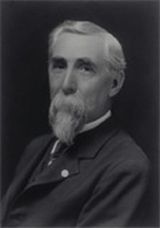
Henry Leland, the master machinist who founded Cadillac and brought watchmaking-level precision standards to Automobile manufacturing. Public domain, via Wikimedia Commons
Cadillac's legacy is in proving that precision engineering can be a design philosophy. If you make something well enough that its parts are interchangeable, if you hold yourself to standards that can be verified with instruments, then reliability becomes a feature. And reliability, presented with the right aesthetics, becomes luxury. The company founded on August 22, 1902, turned mechanical accuracy into aspiration. That's a design principle worth remembering.
studio / on-this-day / Aug 22