studio / on-this-day / Jul 30
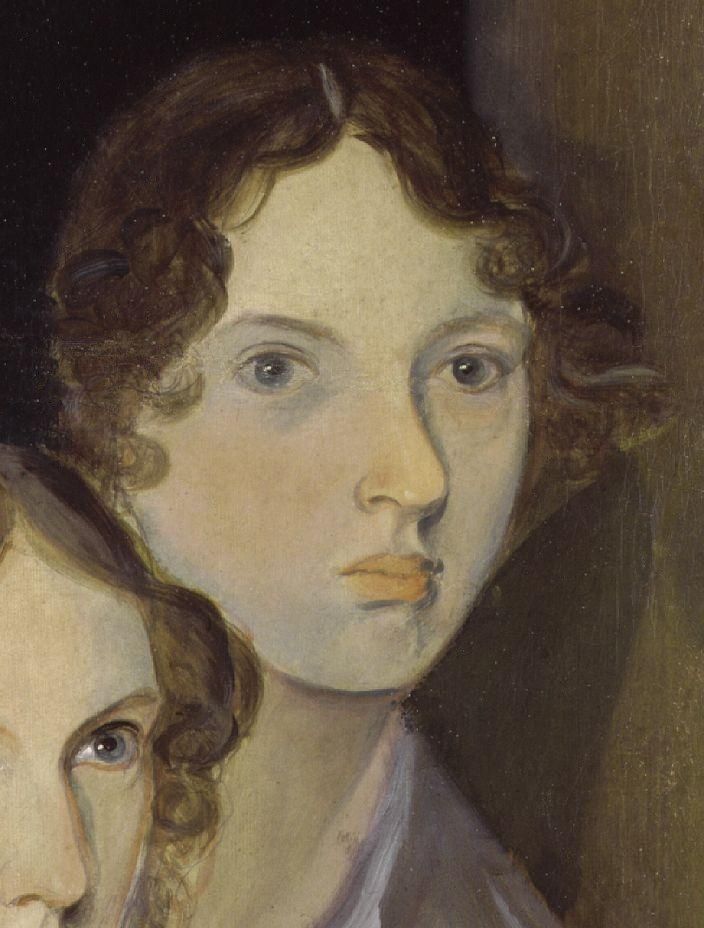
Emily Brontë, in a portrait by her brother branwell. Public domain, via Wikimedia Commons
One Novel, Then Silence
On this day in 1818 — Emily Brontë was born. She published a single strange, ferocious novel under a man's name, was dismissed in her lifetime, and turned out to have written one of the greatest books in the language.
4 min read
Emily Brontë was born on July 30, 1818, in Yorkshire, the fifth of six children of a country clergyman, and she spent almost her entire life in one isolated parsonage on the edge of the moors. She was intensely private, rarely left home, and left behind very little record of her inner life, a handful of letters, some fierce poems, and one novel. On that single novel her whole reputation rests, and it is enough.
Wuthering Heights appeared in 1847 under the name Ellis Bell. Emily and her sisters, Charlotte and Anne, published as the Bell brothers on purpose, having judged, correctly, that work by women would be read through a distorting lens, patronized or dismissed. The disguise was a piece of clear-eyed strategy: they wanted the writing judged as writing, not as a curiosity produced by women.
The book baffled its first readers. It was too wild, too cruel, too strange, a story of obsession and revenge with almost no one in it to admire, told through a dizzying set of nested narrators. Reviewers did not know what to do with it. It did not fit the shape a novel was supposed to have, and much of the early reaction treated its power as a kind of disturbing flaw.
She did not get to answer them. Emily Brontë died of tuberculosis in December 1848, about a year after publication, at thirty. She never saw the reassessment coming, never knew that the strange book the critics flinched at would come to be regarded as one of the greatest novels in the English language, studied and reread and adapted for as long as the language lasts.
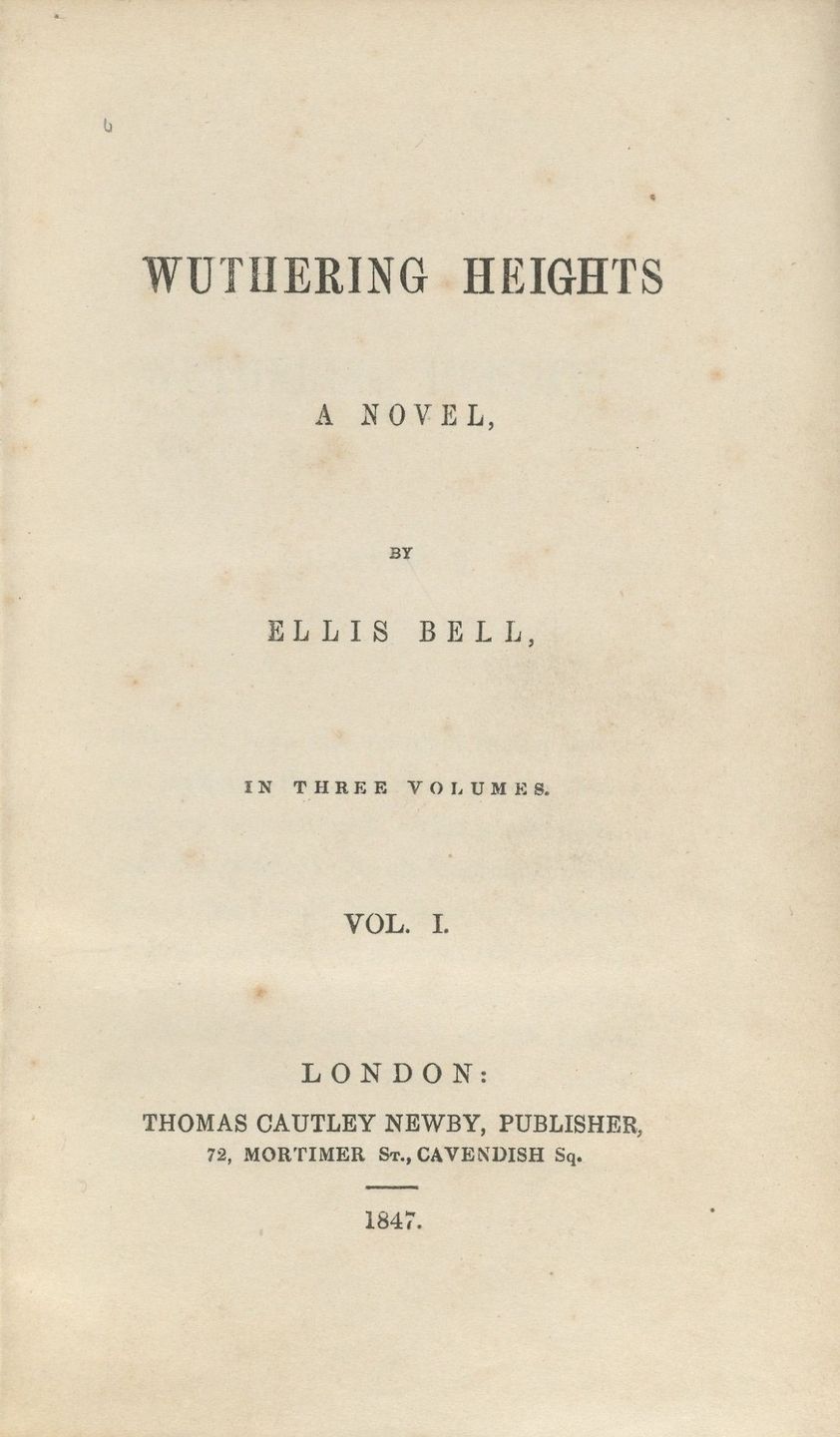
The title page of the 1847 first edition of "Wuthering Heights," published under the name Ellis Bell. Public domain, via Wikimedia Commons
The reversal is worth sitting with. In her lifetime the verdict was clear and largely negative; the market and the critics had spoken. And they were simply wrong, because they were judging something genuinely new against the template of what already existed, which is the one comparison genuinely new work always fails. It did not resemble a great novel of 1847. It was a great novel of a kind 1847 did not yet have a category for.
This is the recurring problem with anything ahead of its moment. The people around it evaluate it by asking how well it matches the current pattern, and the most original work matches the pattern worst. Emily Brontë built something that had to be graded on a curve that did not exist yet, and the curve took decades to arrive.
She wrote one novel and then was gone, and it was more than enough to secure her a permanent place. On July 30, 1818, a woman was born who would produce a single book so far outside the expectations of her time that her own era could only squint at it, and who was proven right long after she could no longer care whether she had been.
studio / on-this-day / Jul 30