studio / on-this-day / Aug 1
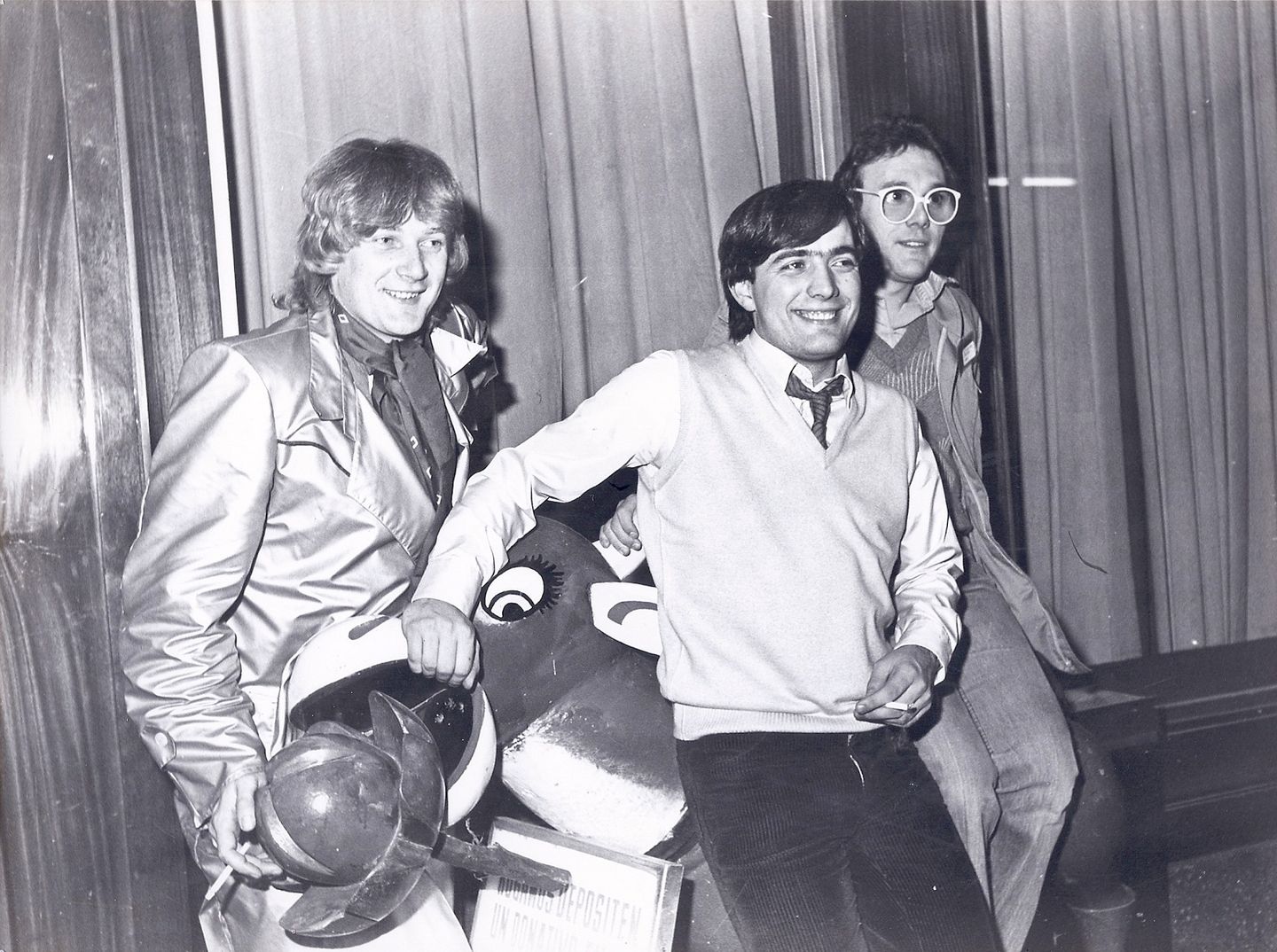
The Buggles, whose "Video Killed the Radio Star" was the first Video played on MTV on August 1, 1981. Rouserouse, CC BY-SA 4.0, via Wikimedia Commons
The Day Music Television Was Born
On this day in 1981 — MTV signed on with Video Killed the Radio Star, a channel built to fuse sound and image into one medium.
3 min read
At 12:01 a.m. on August 1, 1981, a voice spoke over footage of the Apollo 11 launch: "Ladies and gentlemen, rock and roll." Then the screen cut to a grainy music video of The Buggles performing "Video Killed the Radio Star." MTV had arrived, and the timing of that first song was either perfectly ironic or brutally honest. A new medium had been born, and it would indeed kill something old.
Music videos existed before MTV. Artists had been making short films to accompany their songs since the 1960s. Queen's "Bohemian Rhapsody" video from 1975 is often cited as a turning point. But these were promotional tools, scattered artifacts shown occasionally on late-night television or in nightclubs. MTV did something different: it made the music video the content itself. Twenty-four hours a day, seven days a week, nothing but music videos. The song became inseparable from its visual presentation.
The channel launched with just a few hundred subscribers on cable systems in New Jersey. The format was simple, almost threadbare. Five VJs, video jockeys modeled after radio DJs, introduced the videos and offered light commentary. The early catalog was limited, maybe a few hundred videos total, which meant the same clips rotated constantly. If you watched for an hour, you would see the same songs multiple times. But repetition was the point. MTV didn't just play music, it programmed it into your brain.
The logo, designed by Manhattan Design under creative director Fred Seibert, became one of the most recognizable marks in media history. The blocky "M" with the scrawled "TV" could appear in any color, any texture, any pattern. It was a logo designed to be redesigned, a brand identity built on constant mutation. This was new. Logos were supposed to be fixed, stable, controlled. MTV's logo was a system, not a static image, and it reflected the channel's core philosophy: everything is always changing, and that is the aesthetic.
Within a few years, MTV reshaped the music industry. Record labels started budgeting for videos as heavily as they did for studio time. Directors like Spike Jonze, Michel Gondry, and David Fincher cut their teeth making music videos before moving to feature films. Artists who understood the visual language thrived. Those who didn't fell behind. Michael Jackson's "Thriller," Madonna's "Like a Virgin," Peter Gabriel's "Sledgehammer," these weren't just songs. They were cultural events, mini-films that played on endless loops and entered the collective memory more deeply than the albums they promoted.
The channel also created a feedback loop between fashion, identity, and consumption that had never existed at this scale. MTV didn't just reflect youth culture, it manufactured it. The images on screen told teenagers what to wear, how to move, what to care about. Punk, new wave, hip-hop, grunge, each movement was accelerated and commodified by MTV's visual machinery. The Macintosh would do something similar for personal computing a few years later: take a complex technology and make it feel like an extension of personal identity.
By the 1990s, MTV had moved beyond music videos into reality television, animated series, and long-form programming. The channel that launched with "Video Killed the Radio Star" would eventually kill the music video itself, or at least move it off-screen. YouTube, launched in 2005, would become the real home for music videos, offering infinite choice and instant access. MTV had proven that video and music could merge into a single designed experience. The internet just scaled it to a size MTV's cable infrastructure could never reach.

The jacket from michael Jackson's "Thriller," one of the mini-films MTV turned into a cultural event. Julien's Auctions, CC BY-SA 3.0, via Wikimedia Commons
But on August 1, 1981, none of that had happened yet. There was just a logo, a handful of VJs, and a vision: music could be something you watch. Sound and image, locked together, designed as a single experience. It was a medium built for a generation raised on television, and it worked because it understood that attention is the scarcest resource. If you can hold someone's eyes and ears at the same time, you don't just have their attention. You have their identity.
studio / on-this-day / Aug 1