studio / on-this-day / Jul 31
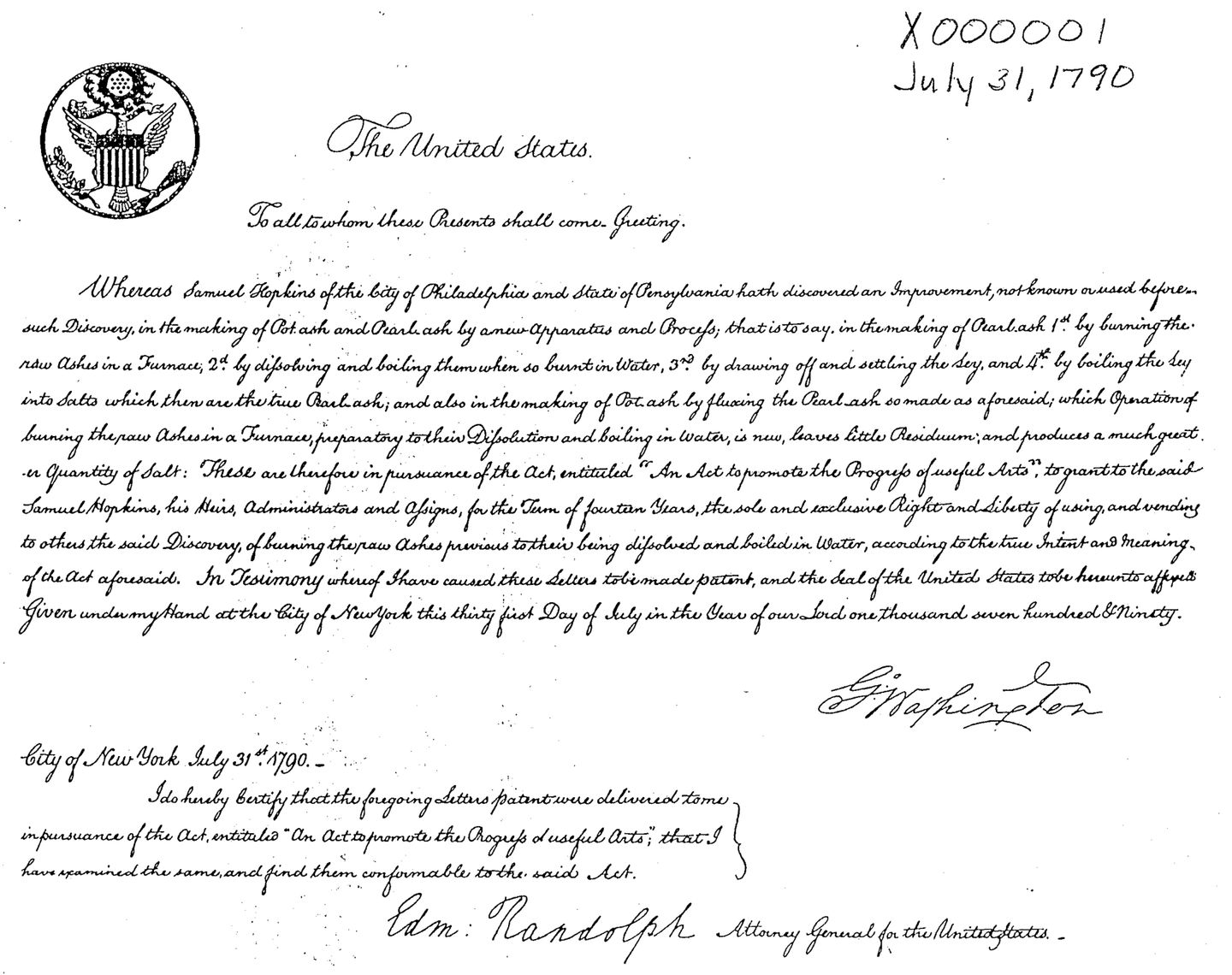
United States Patent x1 — the first Patent issued in the U.S., July 31, 1790. US Government, Public domain, via Wikimedia Commons
The First Patent
On this day in 1790 — the first U.S. patent was granted, for a way of making potash, and a young country began protecting its inventors.
3 min read
On July 31, 1790, Samuel Hopkins of Philadelphia received the first patent issued under the new United States patent system. The patent was not for a machine or a tool. It was for a process: an improved method of making potash, a chemical compound derived from wood ash and used primarily in soap and glass production. The invention itself was modest. What mattered was the system that granted it. For the first time, the federal government recognized that ideas could be property, and that protecting them would encourage more people to invent.
The patent system was written into the Constitution. Article I, Section 8 gave Congress the power to promote the progress of science and useful arts by securing exclusive rights to inventors for limited times. This was not an afterthought. The framers understood that innovation required incentive. If anyone could copy your invention the moment you revealed it, you would keep it secret. Secrets do not spread. Patents were designed to solve this: you disclose your method in exchange for a temporary monopoly. After the monopoly expires, the knowledge enters the public domain. Everyone benefits eventually.
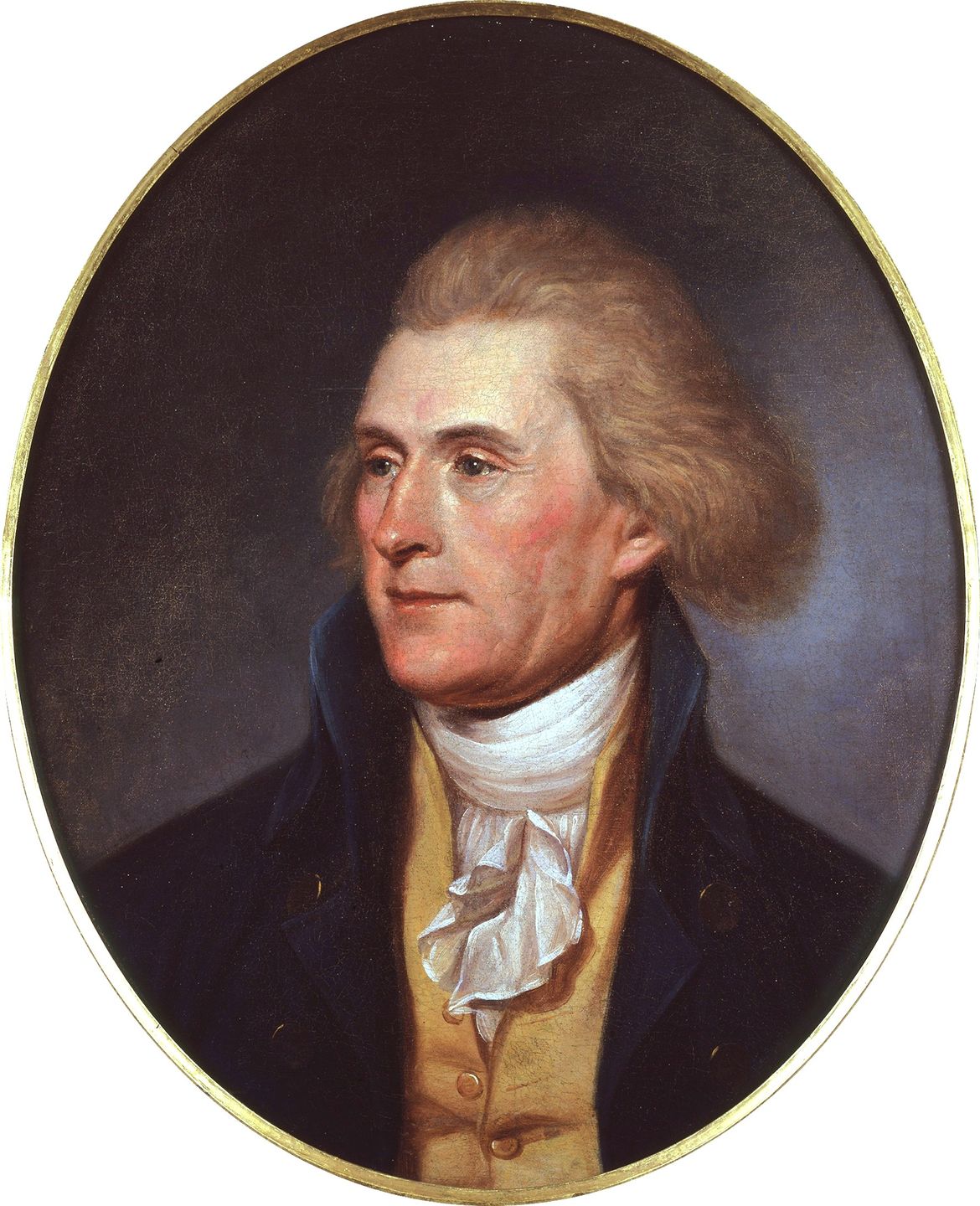
Thomas Jefferson, portrait by rembrandt Peale — as Secretary of State, Jefferson personally reviewed early Patent applications. Charles Willson Peale, Public domain, via Wikimedia Commons
The first Patent Act was signed into law by George Washington in April 1790. It established a board to review applications, consisting of the Secretary of State, the Secretary of War, and the Attorney General. Thomas Jefferson, as Secretary of State, became the de facto head of the system. He took the role seriously, examining applications himself and rejecting those he deemed insufficiently novel or useful. He was skeptical of granting monopolies without scrutiny. He wanted the system to reward true invention, not minor tweaks or ideas already in common use.
Hopkins' potash process passed Jefferson's review. The method involved using furnaces to extract potash more efficiently from wood ash, producing a purer product in less time. Potash was valuable. It was used in fertilizer, bleach, and gunpowder production. An improved method had commercial potential. The patent gave Hopkins the exclusive right to use and license his process for 14 years. In theory, this would allow him to profit from his innovation while preventing competitors from copying it. In practice, enforcing patents was difficult. The legal system was new, courts were inconsistent, and copying often went unpunished.
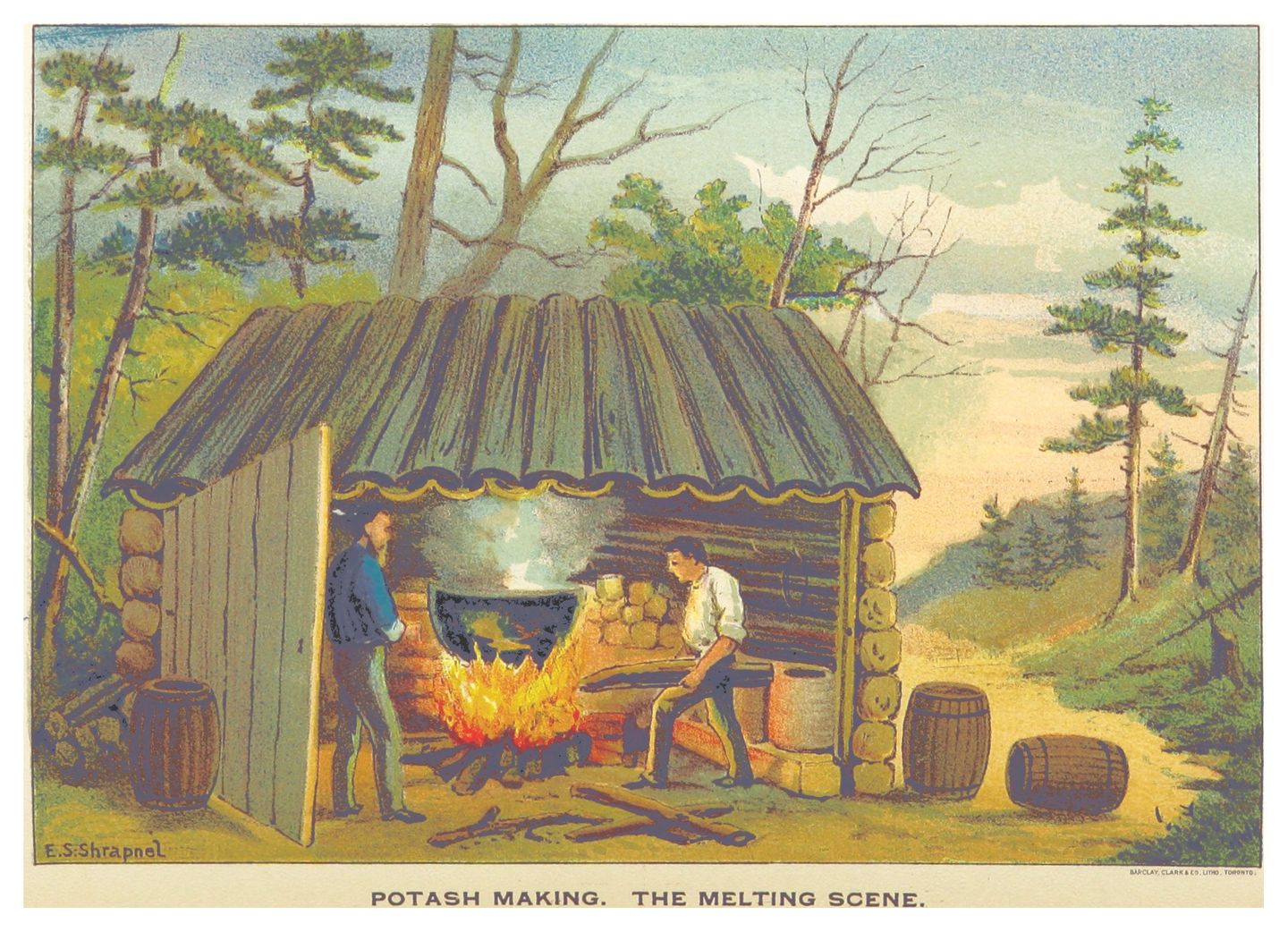
Potash making — the melting, from an 1898 engraving. Hopkins' Patent improved this furnace-based process. E S Shrapnel, Public domain, via Wikimedia Commons
The patent system grew slowly. In its first year, only three patents were issued. By 1836, when the system was redesigned, around 10,000 patents had been granted. The early process required applicants to submit detailed descriptions and often working models. Examiners had to physically understand how inventions worked. This was labor-intensive. As applications increased, the system could not scale. In 1836, Congress created the Patent Office as a dedicated bureau, hired professional examiners, and formalized the review process. Patents became infrastructure.
The system shaped technological development. Inventors knew that if they could prove novelty, they could secure temporary control over their ideas. This incentivized disclosure. Patents became public records, a library of human ingenuity. Engineers and inventors read patent filings to understand what had been tried, what had worked, and what gaps remained. The system did not just protect ideas. It distributed them.
Not all inventions were patented. Some inventors chose trade secrets over patents. The formula for Coca-Cola, for example, was never patented because patents expire and require disclosure. Keeping it secret meant keeping control indefinitely. Other inventors could not afford the patent process or did not understand it. The system favored those with resources and access. This remains true. Patent litigation is expensive. Small inventors often lack the capital to defend their patents in court. Large companies can bury competitors in legal fees even when the patent is valid.
The patent system also created conflicts. What counts as novel? What counts as obvious? How broad should a patent be? These questions are still contested. Software patents, for instance, remain controversial. Can you patent an algorithm, a sequence of logical steps that exists only as abstraction? Courts have ruled inconsistently. The same questions apply to biotechnology, business methods, and artificial intelligence. The system designed in 1790 for mechanical processes now has to handle inventions its framers could not have imagined.
Hopkins' potash patent expired in 1804. The process likely became common practice, absorbed into the background of industrial chemistry. Hopkins himself is mostly forgotten. What persists is the system. Patents are now filed at a rate of hundreds of thousands per year. The U.S. Patent and Trademark Office employs thousands of examiners. The process is bureaucratic, slow, and imperfect. It grants monopolies, which can stifle competition. It rewards those who can navigate complexity, which disadvantages small inventors. But it also creates a public record of innovation and gives inventors a reason to share what they know.
The first patent was for potash. The system it inaugurated shapes how we build, create, and compete. Ideas became property. Property created markets. Markets created incentives. Incentives created more ideas. This is a loop, designed in 1790, still running today.
studio / on-this-day / Jul 31