studio / on-this-day / Jul 21
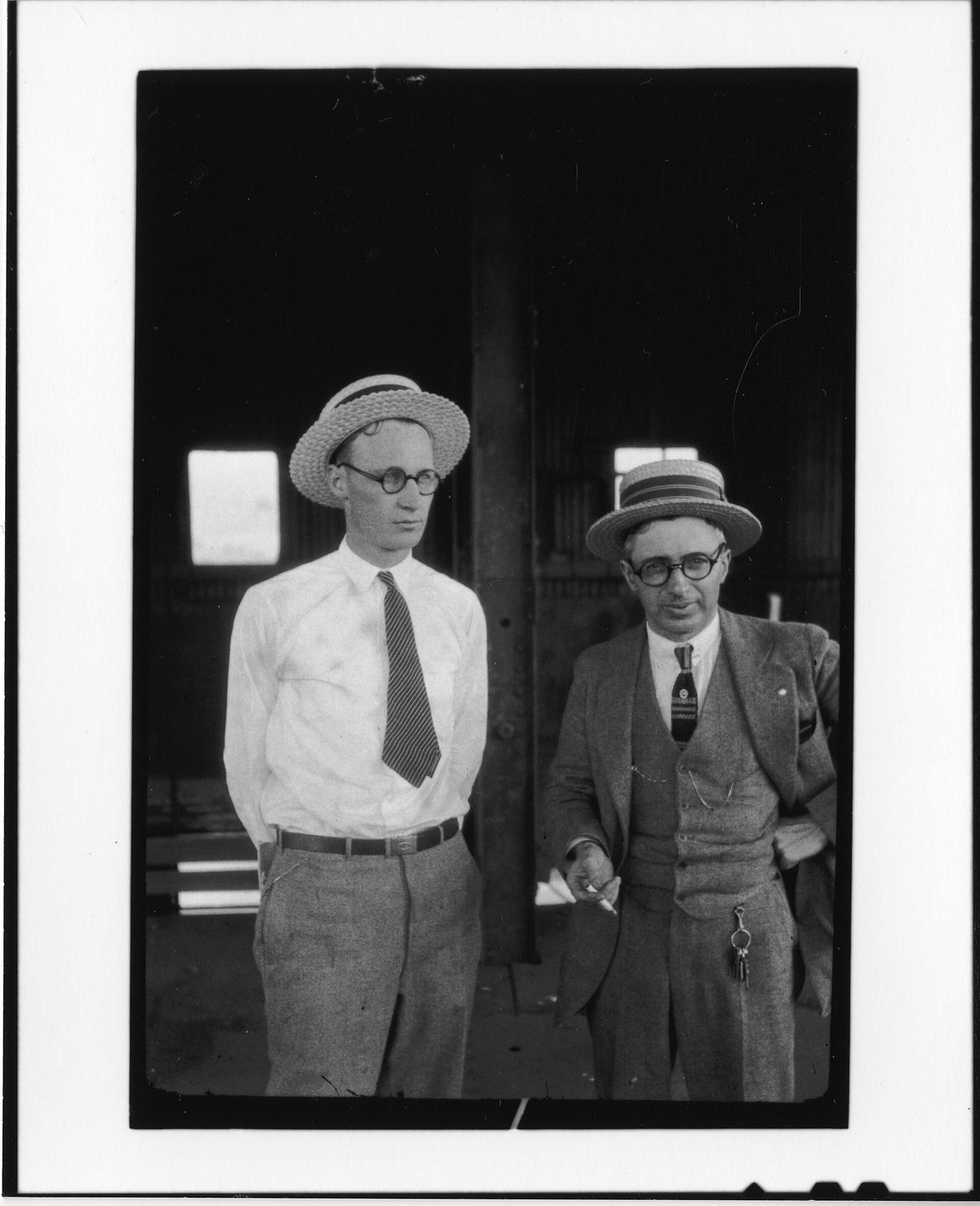
John thomas Scopes, left, the teacher on trial, with George Rappleyea, who helped stage the test case, in 1925. public domain, via Wikimedia Commons
The State Versus a Biology Teacher
On this day in 1925 — a Tennessee jury took nine minutes to convict John Scopes of teaching evolution, ending a trial that was never really about one teacher, or one law.
4 min read
On July 21, 1925, a jury in Dayton, Tennessee deliberated for nine minutes and found John Scopes guilty. He was a 24-year-old high school teacher, and his crime was teaching that humans evolved, in violation of a new state law. The fine was one hundred dollars. The verdict was never in real doubt. Almost nothing about the trial was what it appeared to be.
Scopes had, in a sense, volunteered. The town of Dayton, looking for a way onto the map, cooked up a test case with the American Civil Liberties Union, which had advertised for someone willing to challenge the anti-evolution law. Scopes agreed to be the defendant, though he was never quite sure he had actually taught the lesson in question. The trial was manufactured, on purpose, as a stage for an argument the whole country wanted to have.
And the country came. It was one of the first trials broadcast live on radio. Reporters flooded a small town; vendors sold sandwiches and toy monkeys. The two lead lawyers were national figures: Clarence Darrow, the most famous defense attorney in America, against William Jennings Bryan, three-time presidential candidate and champion of biblical literalism. The courtroom grew so crowded the judge moved everyone outside onto the lawn.
The famous moment came when Darrow called Bryan himself to the stand as an expert on the Bible and questioned him for hours in the heat, exposing how hard a strictly literal reading was to defend under cross-examination. It was theater, and Darrow won the theater. But he lost the case on purpose; he asked the jury to find Scopes guilty so the law could be appealed to a higher court.
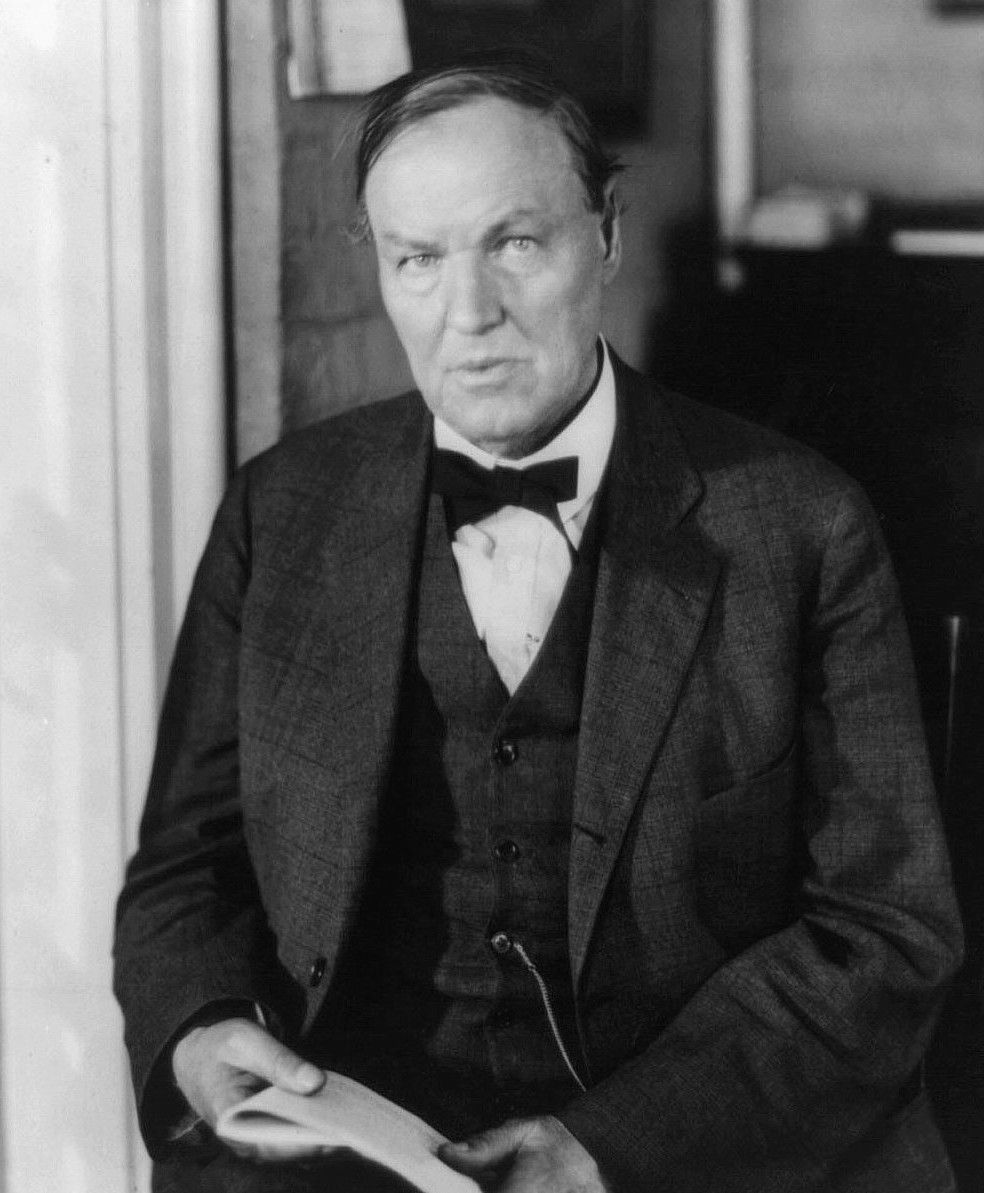
Clarence Darrow, who defended Scopes and cross-examined William Jennings Bryan on the stand. Public domain, via Wikimedia Commons
The verdict was later thrown out on a technicality, and the appeal never produced the grand constitutional ruling both sides wanted. The law stayed on the books in Tennessee until 1967. In the narrow legal sense, almost nothing was settled that July day. The machine built to produce a landmark produced, instead, a footnote and a fine.
What it actually produced was the argument itself, made vivid and permanent. The trial is remembered not for what the court decided but for what it dramatized: the collision between a way of knowing built on evidence and a way of knowing built on faith, staged in a single hot room with the whole country listening. That collision did not end in 1925, and it has not ended now.
It is a useful reminder that not every important contest is decided by its official verdict. The paperwork said Scopes lost. The larger question he was recruited to raise is still being argued a century later, which means the trial did exactly what it was designed to do, even as it failed at what it claimed to be doing.
studio / on-this-day / Jul 21