studio / on-this-day / Jun 10
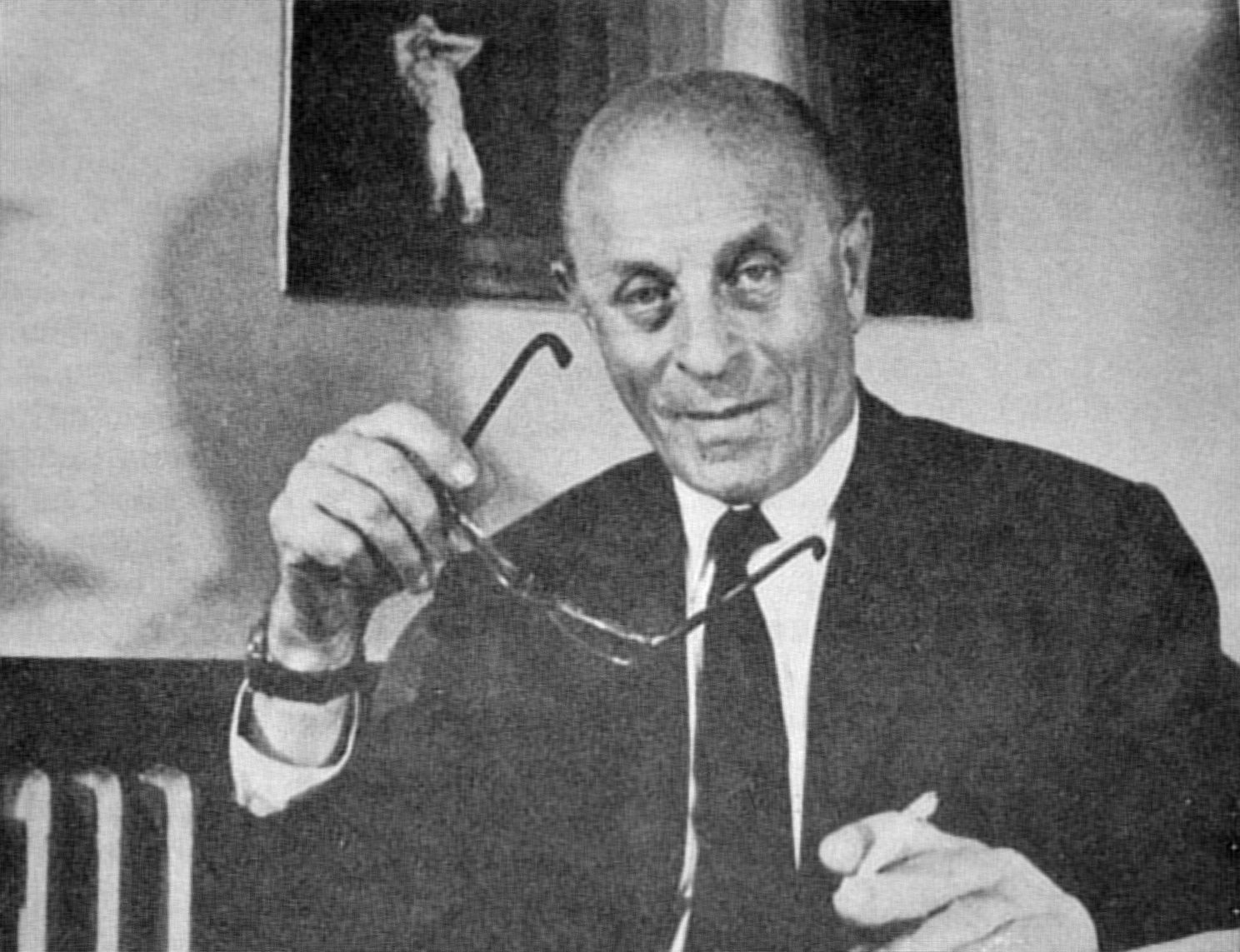
László Bíró, inventor of the ballpoint pen, in Argentina around 1978. Public domain, via Wikimedia Commons
The Pen That Wouldn’t Leak
On this day in 1943 — László Bíró patented the ballpoint pen, a rolling ball the size of a pinhead that finally made ink behave.
4 min read
On June 10, 1943, in Argentina, a Hungarian journalist named László Bíró patented a pen with a tiny ball bearing in its tip. The problem he was solving was small, universal, and maddening: fountain pens leaked. They smudged, needed constant refilling, blotted, and the ink took its time to dry. Bíró spent his days around newspaper presses, and he had noticed that printing ink dried almost instantly and never smeared. The catch was that this ink was far too thick to flow through the fine nib of a fountain pen.
His idea was to change the delivery, not just the ink. Seat a tiny metal ball in a socket at the tip of the pen, with a reservoir of thick ink behind it. As the ball rolls across the paper it picks up ink on its top side and lays it down underneath, spreading a thin even film and sealing the reservoir when it stops. The ball is at once the valve and the brush. Obvious in hindsight, and genuinely hard to build, because the ball has to roll freely and yet never leak.
Bíró worked it out with his brother Georg, a chemist, fled the war to Argentina, and patented the design there. Its first serious customers were aviators. Fountain pens leaked at altitude in unpressurized aircraft, and the ballpoint did not, so wartime air forces wanted them and the pens went into production. A few years later a Frenchman named Marcel Bich re-engineered the design to be made for pennies, and the Bic became the most-manufactured pen in history, produced by the billions.
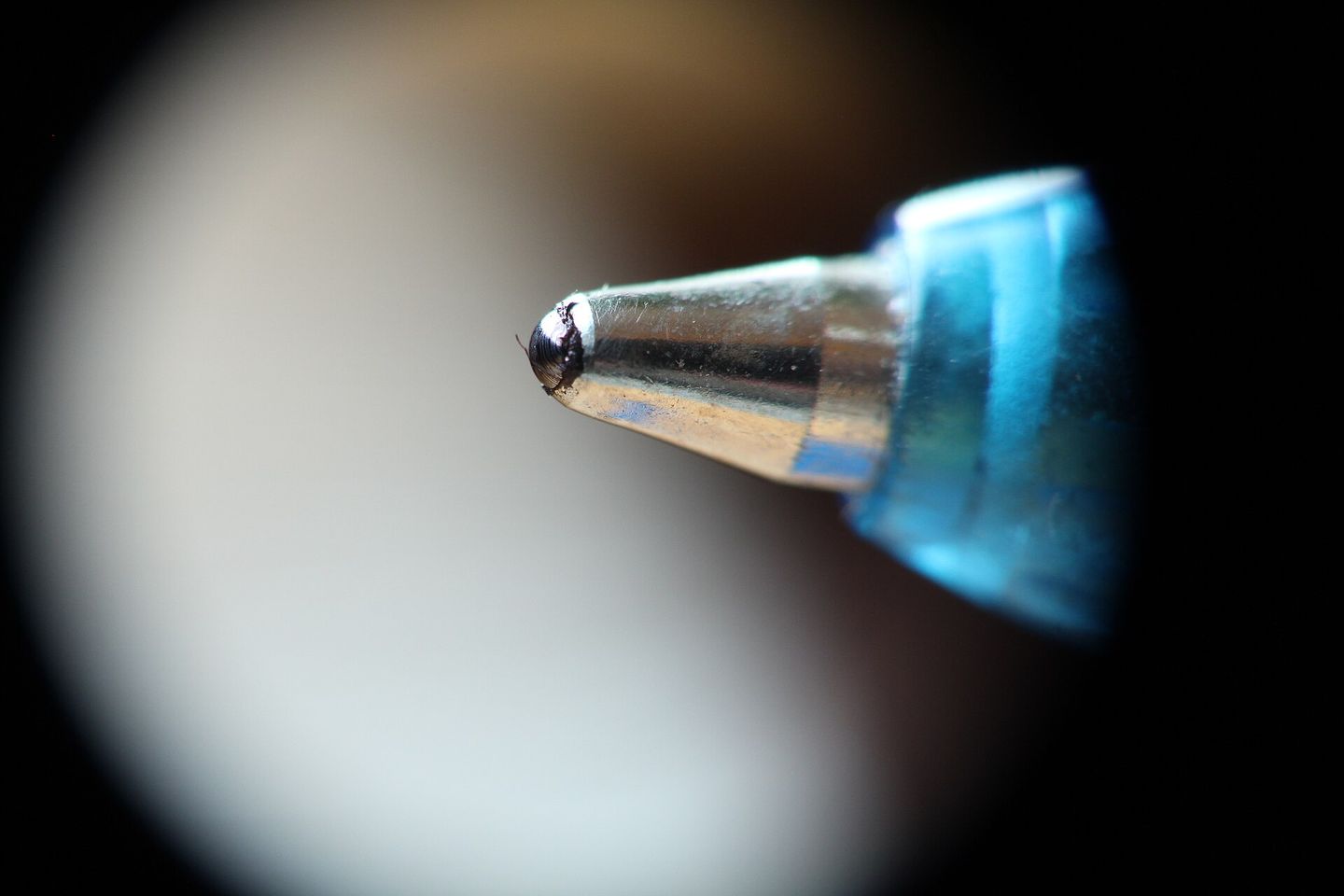
A ballpoint pen tip and its rolling ball. Przemek P, CC BY-SA 3.0, via Wikimedia Commons
What is interesting is that the ballpoint did not really write better than a good fountain pen. Plenty of people think it writes worse. What it did was make writing reliable, cheap, and disposable. It removed the leaks, the refills, the maintenance, and the fuss from the simple act of putting words on paper. It is a small monument to a design principle that keeps winning: good enough, everywhere, beats excellent and precious.
The result was that everyone could always write. A working pen cost less than a loaf of bread and lived in every pocket, drawer, and cup on the planet. It became so cheap and so common that it turned invisible, and nobody thinks about a ballpoint pen, which is exactly the sign that a piece of design has completely succeeded. Like the protocols and standards that run quietly beneath everything else, it disappeared into use.
Bíró's name became the object. In much of the world you do not ask for a ballpoint, you ask for a biro. It is a rare kind of fame, the inventor's name dissolving into the thing itself, the way people say they will google something. The pen outgrew the man and kept his name anyway.
He had taken one small, ordinary, universal frustration, ink that would not behave, and fixed it with a rolling ball the size of a pinhead. It is not a dramatic invention. There is no explosion, no launch, no crowd. There is only the fact that for eighty years, almost anywhere on Earth, when a person has needed to write something down, there has been a pen that worked, because of what happened on paper in Buenos Aires on this day in 1943.
studio / on-this-day / Jun 10