studio / on-this-day / May 26
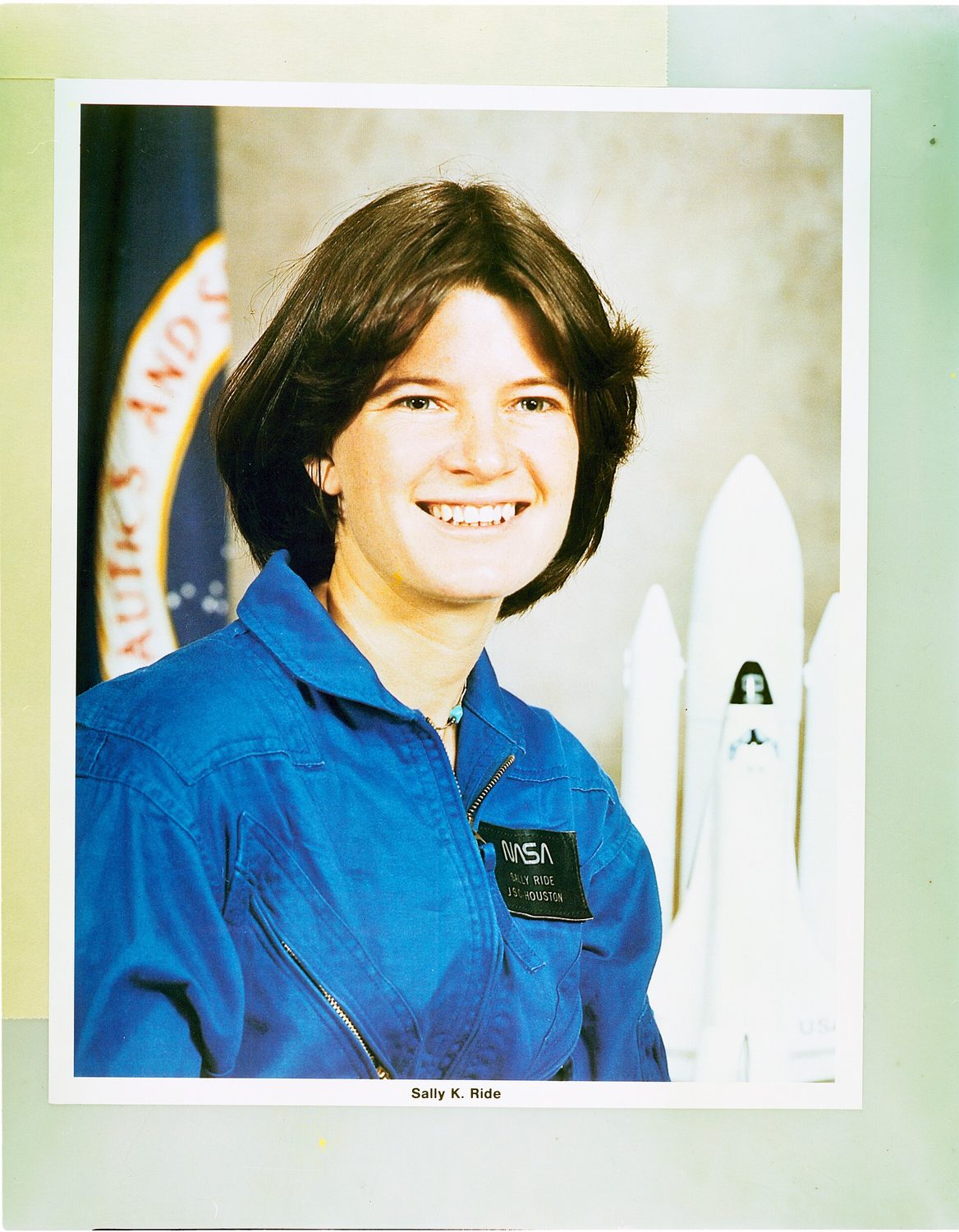
Sally Ride, the first American woman in space. Public domain, via Wikimedia Commons
Stars That Don't Twinkle
On this day in 1951 — Sally Ride was born, the first American woman in space, who noticed that from orbit the stars stop twinkling.
3 min read
Sally Kristen Ride was born in Los Angeles on May 26, 1951, and grew up playing tennis competitively. She was good enough to consider going professional. Instead, she studied physics at Stanford, earning a bachelor's degree in English and physics, then a master's and Ph.D. in physics. In 1977, while finishing her doctorate, she saw an ad in the Stanford student newspaper. NASA was recruiting astronauts. For the first time, they were accepting women.
Ride was one of six women selected in 1978, part of NASA's first co-ed astronaut class. The press called them the "Glamornauts." The questions they faced during training were absurd. How would women handle menstruation in space? Would they cry during an emergency? Would 100 tampons be enough for a week-long mission? Ride handled the scrutiny with calm precision, the same way she approached the technical work. She trained on the space shuttle's robotic arm, a 50-foot mechanical limb used to deploy and retrieve satellites. She became the expert.
On June 18, 1983, Ride launched aboard the space shuttle Challenger on mission STS-7. She was 32 years old, the youngest American to fly in space and the first American woman. The Soviet Union had sent two women into space decades earlier, but the U.S. was late to the idea. Ride's presence on the crew was historic, but she resisted the label. When asked how it felt to be the first woman in space, she said it felt like a job. She was there to operate the robotic arm, deploy satellites, and conduct experiments. The gender milestone was secondary to the work.
Her description of space was precise and observational. She said the stars don't look bigger from orbit, but they don't twinkle because there's no atmosphere to distort the light. Earth, seen from 200 miles up, looks fragile. The atmosphere is a thin blue line, barely visible. The experience of seeing the planet from outside itself changes how you think about borders, nations, and survival. It's a perspective shift that every astronaut describes, and Ride articulated it with clarity.
Ride flew a second mission in 1984, again aboard Challenger. She was scheduled for a third mission in 1986, but Challenger exploded 73 seconds after launch on January 28, killing all seven crew members. Ride was assigned to the Rogers Commission, the panel investigating the disaster. She was the only astronaut on the commission who hadn't been a test pilot or military officer. She asked the questions no one else asked, particularly about the O-rings, the rubber seals that failed in the cold and caused the explosion. Her technical knowledge and willingness to challenge NASA's institutional assumptions helped uncover the failure.
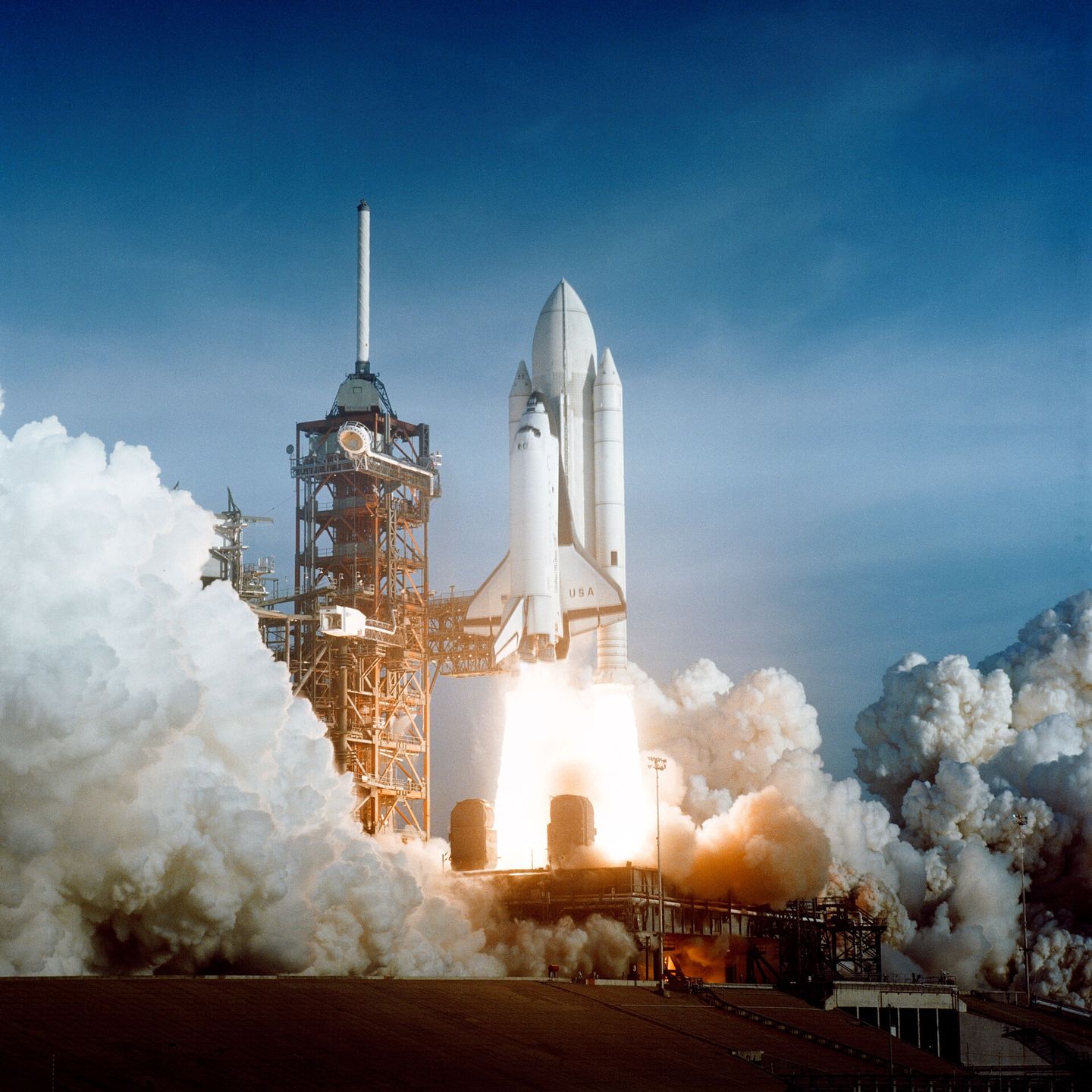
Space shuttle columbia launching from kennedy space center — the shuttle program that carried Sally Ride into history. NASA, Public domain, via Wikimedia Commons
After leaving NASA in 1987, Ride became a professor at the University of California, San Diego, where she focused on physics and education. She founded Sally Ride Science, a company dedicated to encouraging young girls to pursue careers in STEM fields. She understood that representation mattered, that seeing someone who looked like you doing something difficult made it feel achievable. She spent decades trying to make space, science, and engineering feel accessible to people who had been told those fields weren't for them.
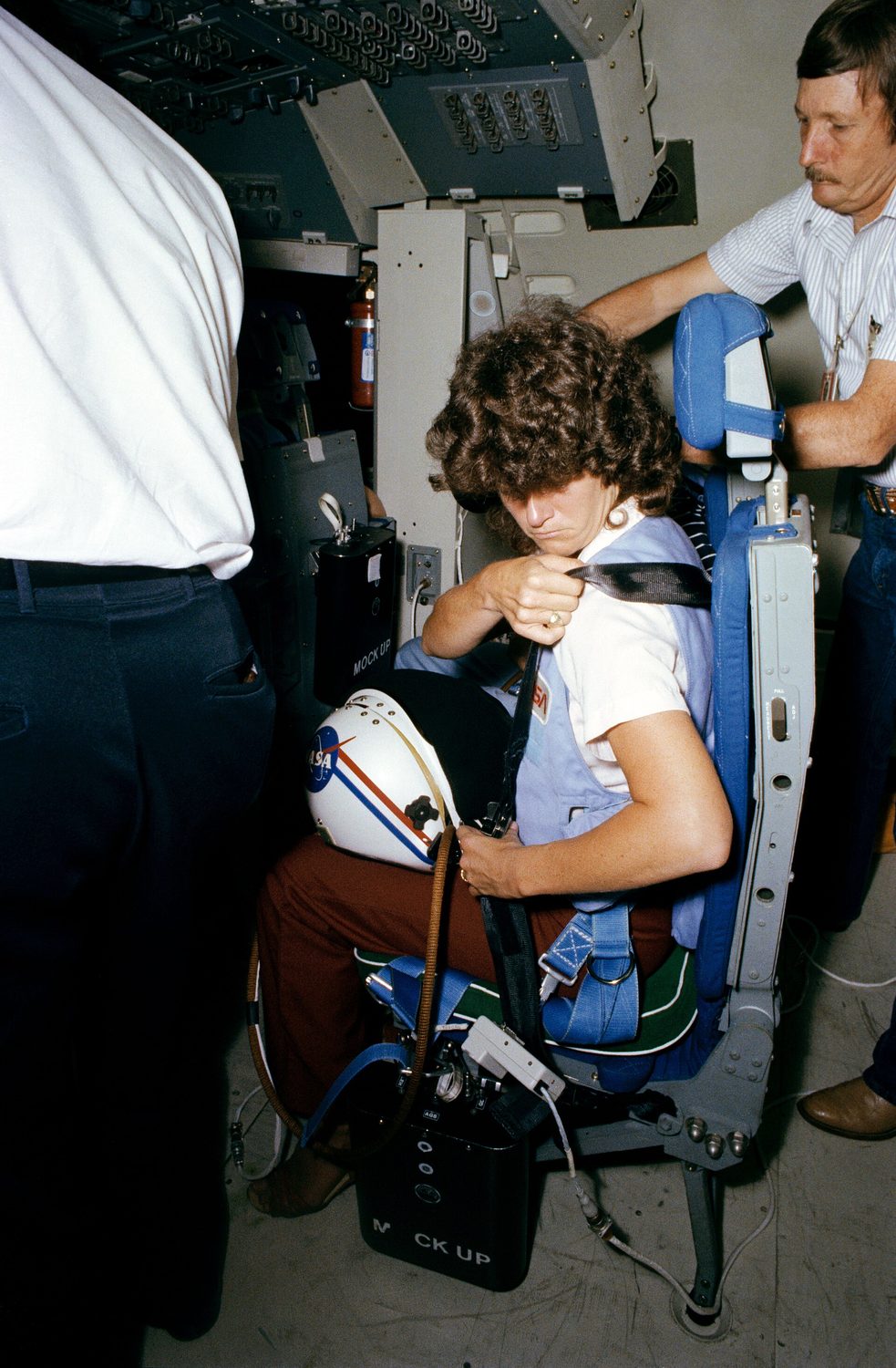
Sally Ride aboard Challenger on mission STS-7. Public domain, via Wikimedia Commons
Ride died of pancreatic cancer in 2012 at the age of 61. Her obituary revealed that she had been in a relationship with Tam O'Shaughnessy, a woman, for 27 years. She had kept her personal life private, a decision that reflected the era she lived in and the scrutiny she had faced her entire career. Her legacy is not just that she was the first American woman in space but that she approached the work with rigor, humility, and a refusal to let the milestone overshadow the mission.
What Ride proved is that the hard part isn't reaching space. It's making space for people who have been excluded. She was an engineer, a scientist, and a teacher. She operated robotic arms, investigated disasters, and inspired a generation. She saw the stars from outside the atmosphere and described them with precision. They didn't look bigger. They just stopped twinkling.
studio / on-this-day / May 26