studio / on-this-day / May 27
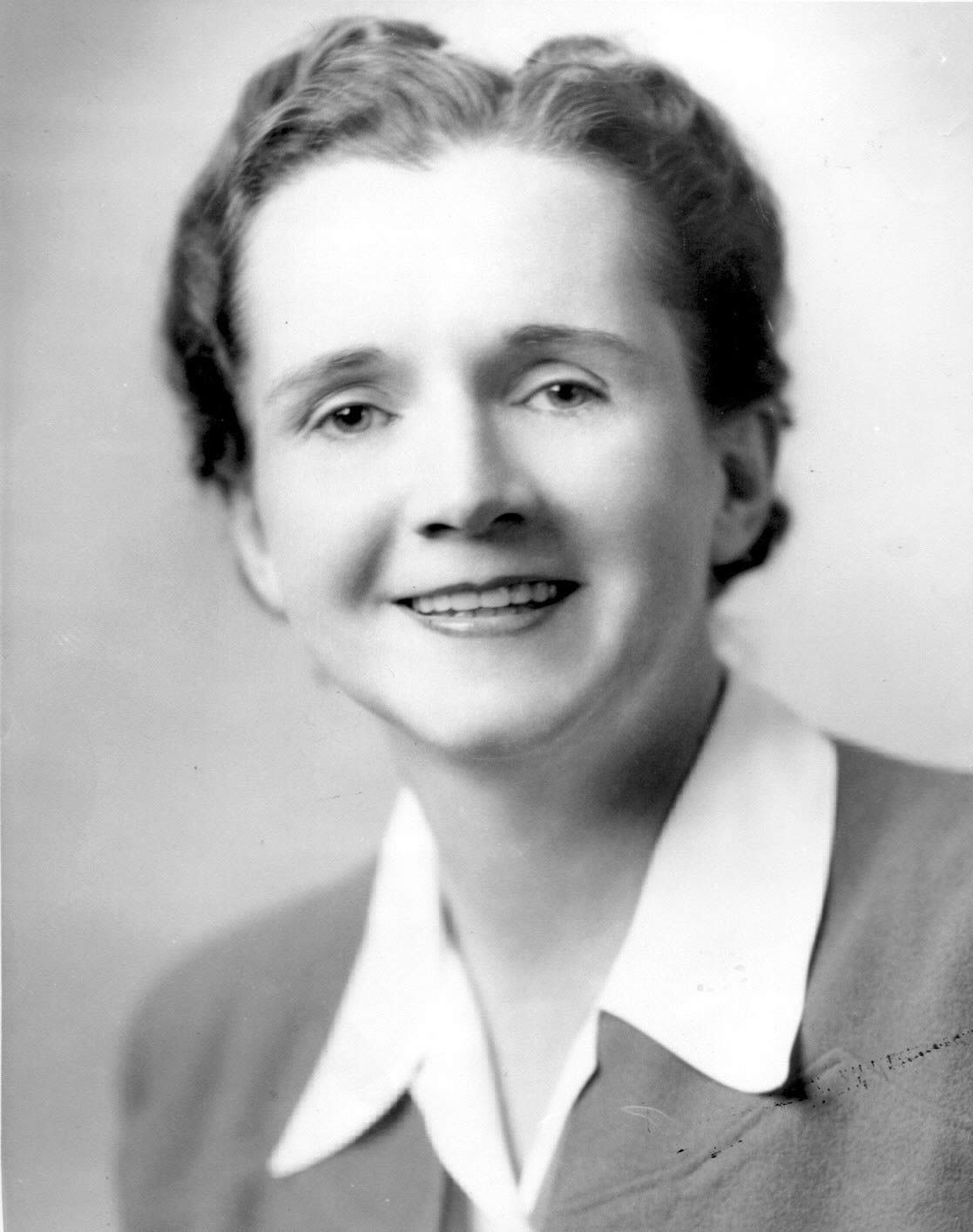
Rachel Carson, marine biologist and author whose 1962 book Silent Spring helped launch the modern Environmental movement. U.S. Fish and Wildlife Service, Public domain, via Wikimedia Commons
Silent Spring
On this day in 1907 — Rachel Carson was born, and would write Silent Spring and force a nation to rethink what it was doing to the living world.
3 min read
Rachel Louise Carson was born on May 27, 1907, in Springdale, Pennsylvania, a small town near Pittsburgh. She grew up exploring the woods and streams around her home, collecting fossils and observing insects. She wanted to be a writer. She studied English at Pennsylvania College for Women, then switched to biology after a teacher introduced her to marine science. She earned a master's degree in zoology from Johns Hopkins and went to work for the U.S. Bureau of Fisheries, writing about marine life for government publications.
Carson was a talented writer who made science accessible. Her first book, The Sea Around Us, published in 1951, became a bestseller and stayed on the New York Times bestseller list for 86 weeks. It described the ocean as a vast, interconnected system, a living machine powered by currents, tides, and microscopic organisms. The book made her famous and gave her financial independence. She left her government job and became a full-time writer.
In the late 1950s, Carson began researching the effects of synthetic pesticides, particularly DDT, on the environment. DDT had been hailed as a miracle chemical, used to kill mosquitoes, control agricultural pests, and eradicate disease-carrying insects. But Carson noticed something. Birds were dying. Fish were dying. The chemical accumulated in the food chain, concentrating in the bodies of predators at the top. Bald eagles, peregrine falcons, and ospreys were laying eggs with shells so thin they cracked before hatching. The chemical industry insisted DDT was safe. Carson wasn't convinced.
She spent four years researching and writing Silent Spring, published in 1962. The book opened with a fable: a town where birds no longer sang, where fish floated dead in streams, where children fell ill for no apparent reason. It was a future Carson feared might become real if pesticide use continued unchecked. The book methodically documented the effects of pesticides on ecosystems, tracing how chemicals moved through soil, water, and living organisms. It was science writing as systems thinking, showing how everything was connected and how disrupting one part of the system had cascading effects.
The chemical industry responded with fury. They tried to discredit Carson, calling her a hysterical woman, an alarmist, a communist. They pointed out that she wasn't a chemist, as though understanding ecology didn't matter. But Carson had done her research. She cited hundreds of studies. She corresponded with scientists around the world. She testified before Congress. And the public believed her. Silent Spring sparked a national debate about the relationship between industry, government, and the environment.
The first edition cover of Silent Spring by rachel Carson, published in 1962, the book that changed Environmental policy. Unnimaya Shivaji, CC BY-SA 4.0, via Wikimedia Commons
The book didn't call for a total ban on pesticides. Carson argued for more careful use, for understanding the consequences before deploying chemicals at scale. She believed in science, but she also believed in caution. She understood that technology wasn't neutral. It could heal or harm, depending on how it was used. That was a design principle: systems have consequences, and those consequences need to be considered before deployment.
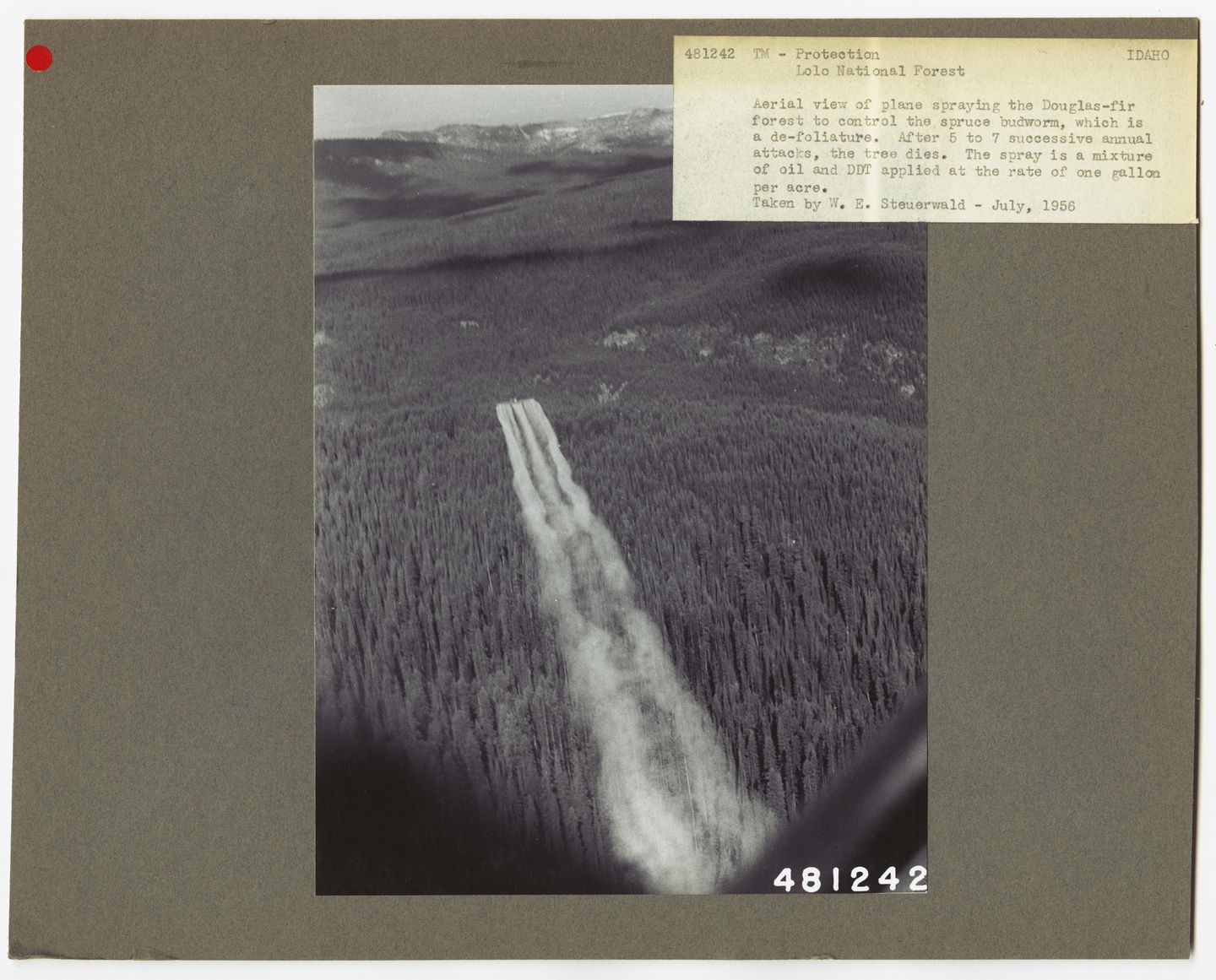
A plane spraying DDT over the lolo national Forest in montana, 1956, the kind of widespread pesticide use Carson warned about in Silent Spring. R6, State & Private Forestry, Forest Health Protection, Public domain, via Wikimedia Commons
Carson died of breast cancer in 1964, just two years after Silent Spring was published. She didn't live to see the full impact of her work. The Environmental Protection Agency was founded in 1970, in part because of the movement her book inspired. DDT was banned in the United States in 1972. Bird populations began to recover. The idea that humans could damage ecosystems, that nature was fragile rather than infinite, became mainstream. Carson's book changed how people thought about the environment, how they thought about technology, and how they thought about responsibility.
Silent Spring is still in print. It's still taught in schools. It's a reminder that writing can be a tool for changing systems, that understanding interconnections matters, and that one person with rigorous research and clear prose can shift an entire conversation. Carson saw the world as a web of relationships, and she made other people see it too. That's systems design. That's how you change the future.
studio / on-this-day / May 27