studio / on-this-day / May 25
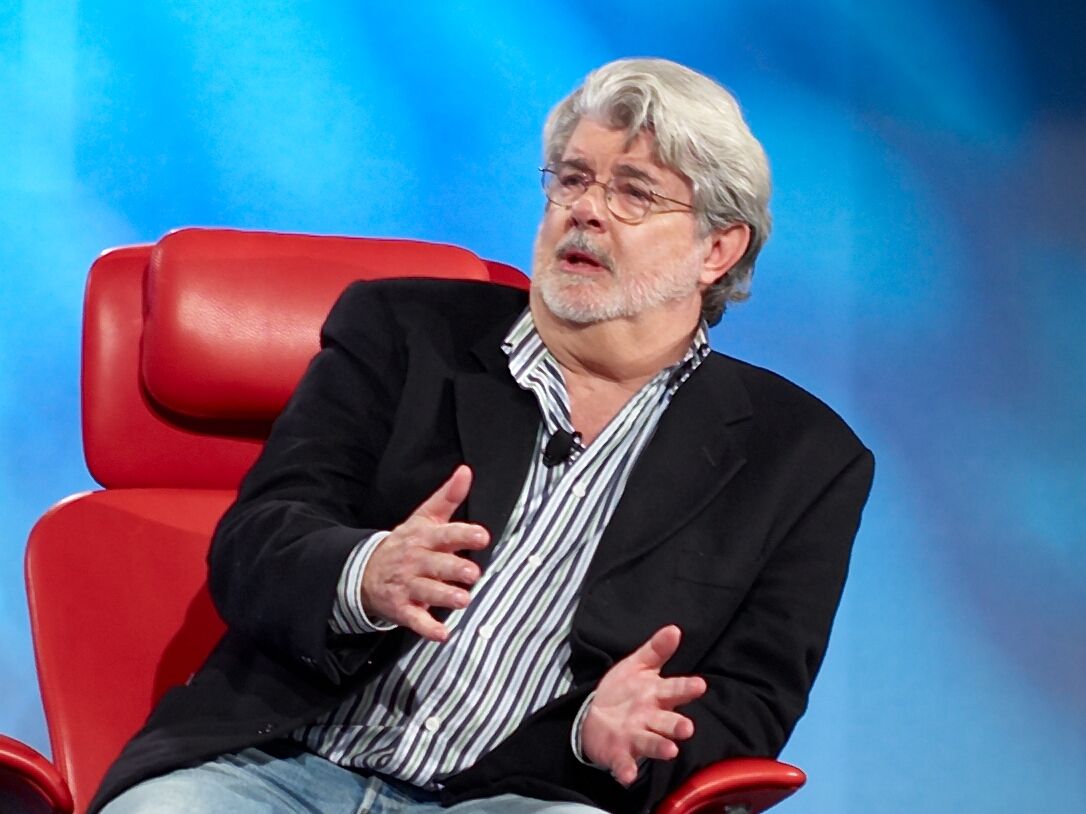
George Lucas, filmmaker and creator of Star Wars, the franchise that reshaped cinema. Joi Ito from Inbamura, Japan, CC BY 2.0, via Wikimedia Commons
A Mythology from Spare Parts
On this day in 1977 — Star Wars opened, and George Lucas assembled a brand-new mythology out of old parts and made it feel ancient.
3 min read
Star Wars opened in 32 theaters on May 25, 1977. Nobody expected it to be a phenomenon. Twentieth Century Fox thought it was a risk. Director George Lucas had no track record with science fiction. The production had been troubled, the budget overrun, and the special effects required techniques that didn't exist yet. But within weeks, the lines wrapped around city blocks. The film grossed $461 million in its initial release and became a cultural force that reshaped how movies were made, marketed, and experienced.
What Lucas built was not original. It was an assembly of parts borrowed from samurai films, World War II dogfights, Westerns, and Joseph Campbell's theories of myth. The hero's journey. The wise mentor. The princess in peril. The villain in black. Lucas took familiar archetypes and dressed them in spaceships and lightsabers. The genius was not in inventing something new but in making something old feel new by changing the context. It was remix as world design.
The film's aesthetic was crucial. Science fiction in the 1970s was sterile and shiny. Star Wars looked dirty. The ships were beat-up. The droids were battered. The Millennium Falcon had exposed wiring and mismatched panels. It was a used future, a galaxy that felt lived-in rather than designed. Lucas called it a "used universe," and that choice made everything feel more real. The technology wasn't aspirational. It was functional, improvised, familiar.
The special effects were unprecedented. Industrial Light & Magic, the company Lucas founded to make the film, invented motion-control photography, a technique that allowed cameras to repeat complex movements with frame-perfect precision. This made it possible to composite multiple layers of imagery into a single shot. The battle scenes, with dozens of starfighters swooping through space, were assembled layer by layer, element by element. It was filmmaking as engineering, visual effects as precision craft.
Lucas also understood sound as world-building. Ben Burtt, the sound designer, created the film's audio landscape from found materials. The hum of a lightsaber came from a film projector motor mixed with the buzz of a television set. The roar of a TIE fighter was an elephant bellow mixed with a car on wet pavement. Chewbacca's voice was a blend of bear, walrus, and badger sounds. Every audible element was designed to feel alien but recognizable, strange but grounded.
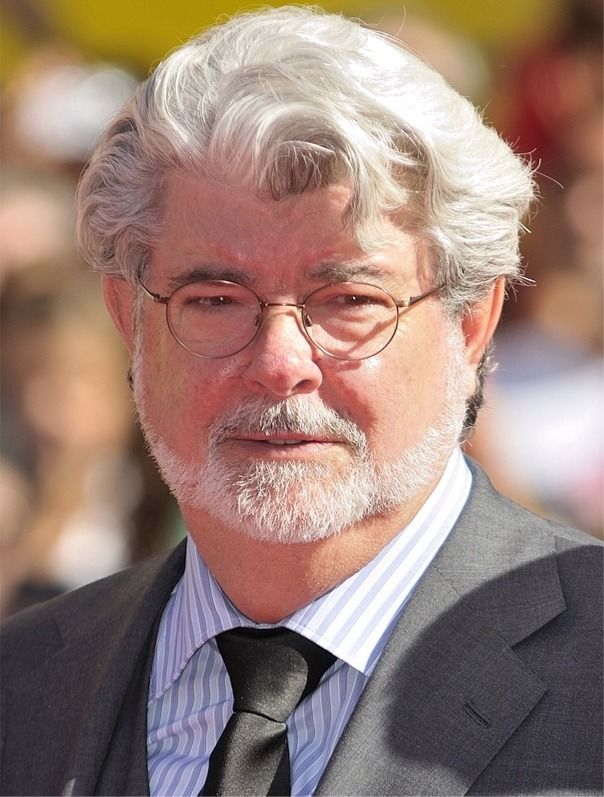
George Lucas at a 2009 event — the man who retained Star Wars merchandising rights and changed how studios thought about intellectual property. Nicolas genin, CC BY-SA 2.0, via Wikimedia Commons
Star Wars became a franchise before the concept of franchise filmmaking was fully formed. Lucas retained merchandising rights, which the studio had considered worthless. Within a year, toy sales generated more revenue than the film itself. The sequel, The Empire Strikes Back, arrived in 1980, darker and more complex. By the time the original trilogy concluded in 1983, Lucas had built a mythology that felt ancient, as though it had always existed and he had simply discovered it.
The film's influence is inescapable. Every blockbuster since has followed its template: spectacle, mythology, merchandising. Every visual effects house owes something to the techniques pioneered on Star Wars. The idea of a cinematic universe, where stories connect across multiple films, started here. Lucas didn't just make a movie. He built a system, a framework for storytelling that could scale indefinitely.
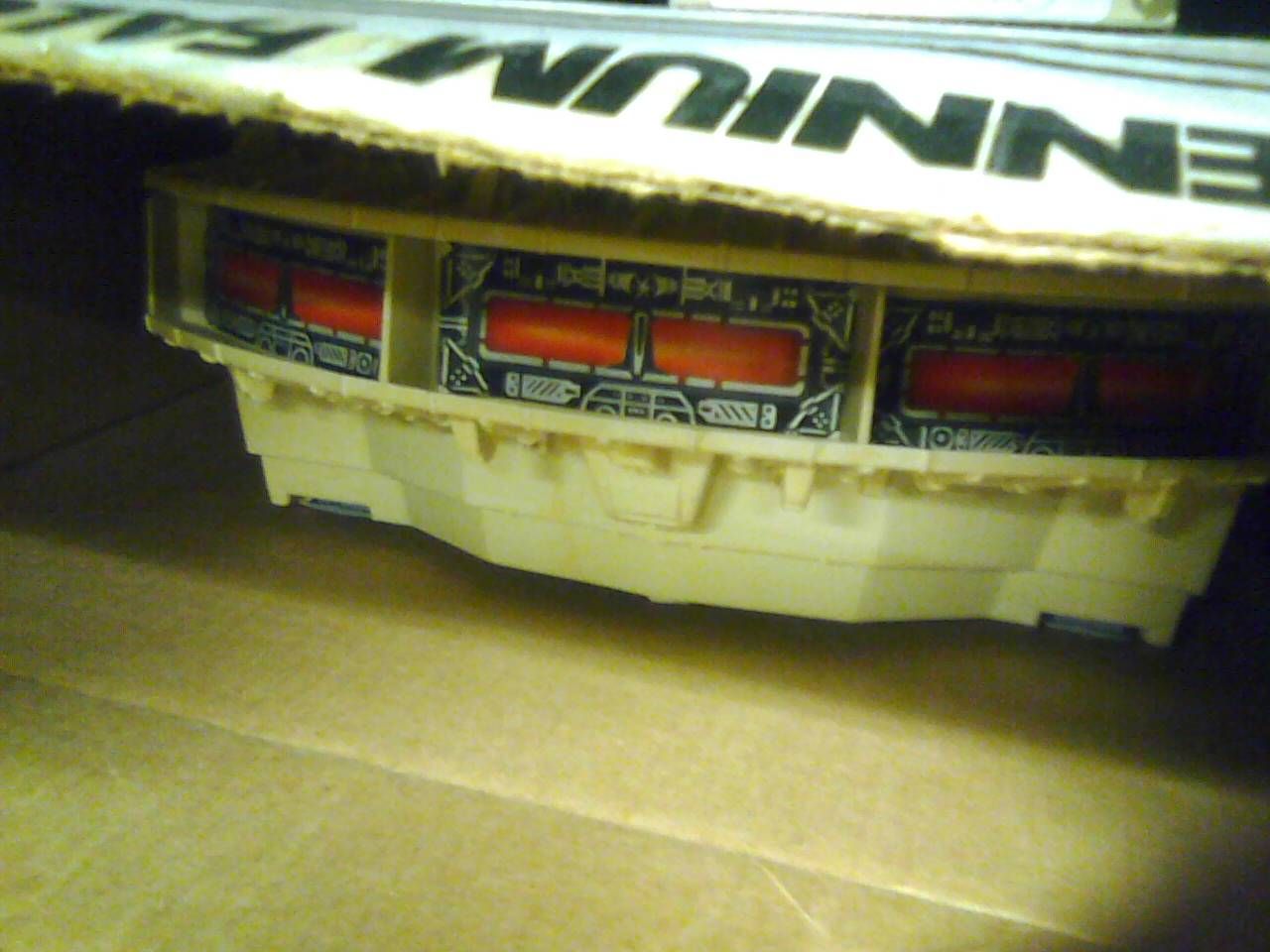
A model of the Millennium Falcon — the battered, patched-together ship that defined the film's "used universe" look. S. Backtable, CC BY-SA 3.0, via Wikimedia Commons
Star Wars endures because it doesn't feel designed. It feels discovered, as though the galaxy existed before the cameras rolled. That's the trick. The best design disappears. It feels inevitable, natural, like it couldn't have been any other way. Lucas assembled the film from borrowed parts, but he arranged them so precisely that they felt like something new. That's not plagiarism. That's architecture. That's world design.
studio / on-this-day / May 25