studio / on-this-day / May 2
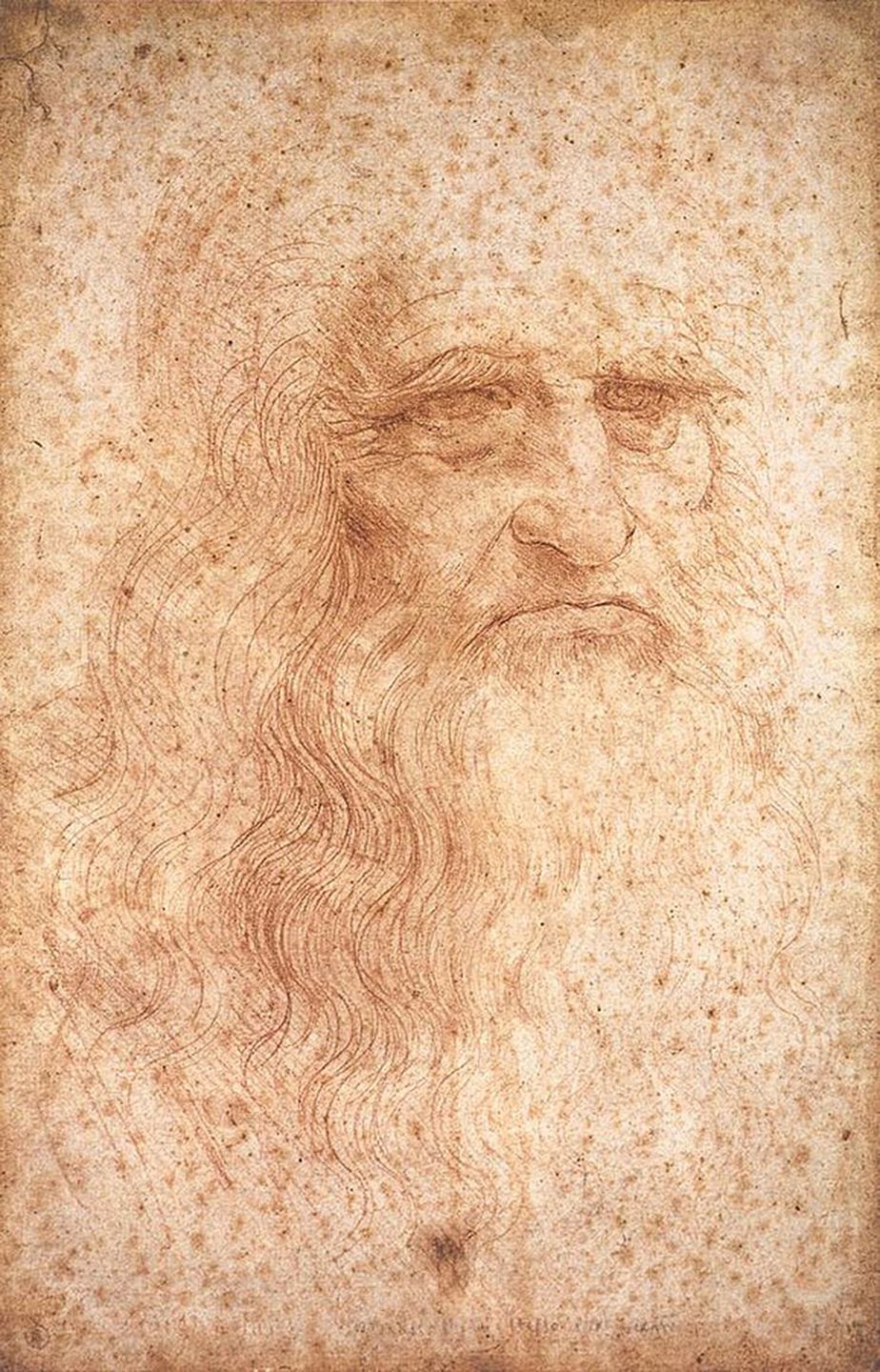
Presumed self-portrait of Leonardo da Vinci, c. 1512. Leonardo da Vinci, Public domain, via Wikimedia Commons
Written in Reverse
On this day in 1519 — Leonardo da Vinci died, leaving notebooks written in mirror script that stayed largely unread for centuries.
3 min read
Leonardo da Vinci died on May 2, 1519, in a manor house near Amboise, France. He was 67. He left behind thousands of pages of notes, sketches, and diagrams written in a distinctive mirror script, readable only when held up to a reflection. The notebooks contained designs for flying machines, anatomical studies, hydraulic engineering, optics, and weaponry. Most of it would remain unpublished and largely unseen for over 300 years.
The mirror writing was not encryption. Leonardo was left-handed, and writing right to left in ink avoided smudging. It was a practical solution that had the side effect of making his work difficult to casually read. Whether this was intentional is unclear, but it certainly kept his ideas from spreading during his lifetime. His notebooks were private documents, working journals rather than published treatises. They were for him, not for an audience.
What those notebooks reveal is a mind that operated across disciplines without recognizing boundaries between them. He studied the flow of water and applied those principles to blood circulation. He examined bird wings and designed machines for human flight. He dissected corpses to understand musculature and used that knowledge to paint figures with anatomical precision. There was no separation between art and engineering, between observation and invention. It was all the same process: looking closely and thinking clearly about what he saw.
Leonardo's most famous works are paintings, but he completed relatively few. The Mona Lisa. The Last Supper. A handful of others. He was a perfectionist who often left projects unfinished, distracted by new questions. His patrons wanted art; he wanted to understand optics, perspective, the mechanics of vision itself. Painting was one application of a much broader inquiry into how light, form, and perception work together.
After his death, his notebooks were scattered. Some were lost. Others passed through private collections, studied by a few but inaccessible to most. It was not until the 19th and 20th centuries that scholars began systematically cataloging and publishing them. By then, many of his engineering concepts had been independently rediscovered. His helicopter design, his parachute, his studies of flight, they all prefigured later inventions, but they had no direct influence because no one knew they existed.
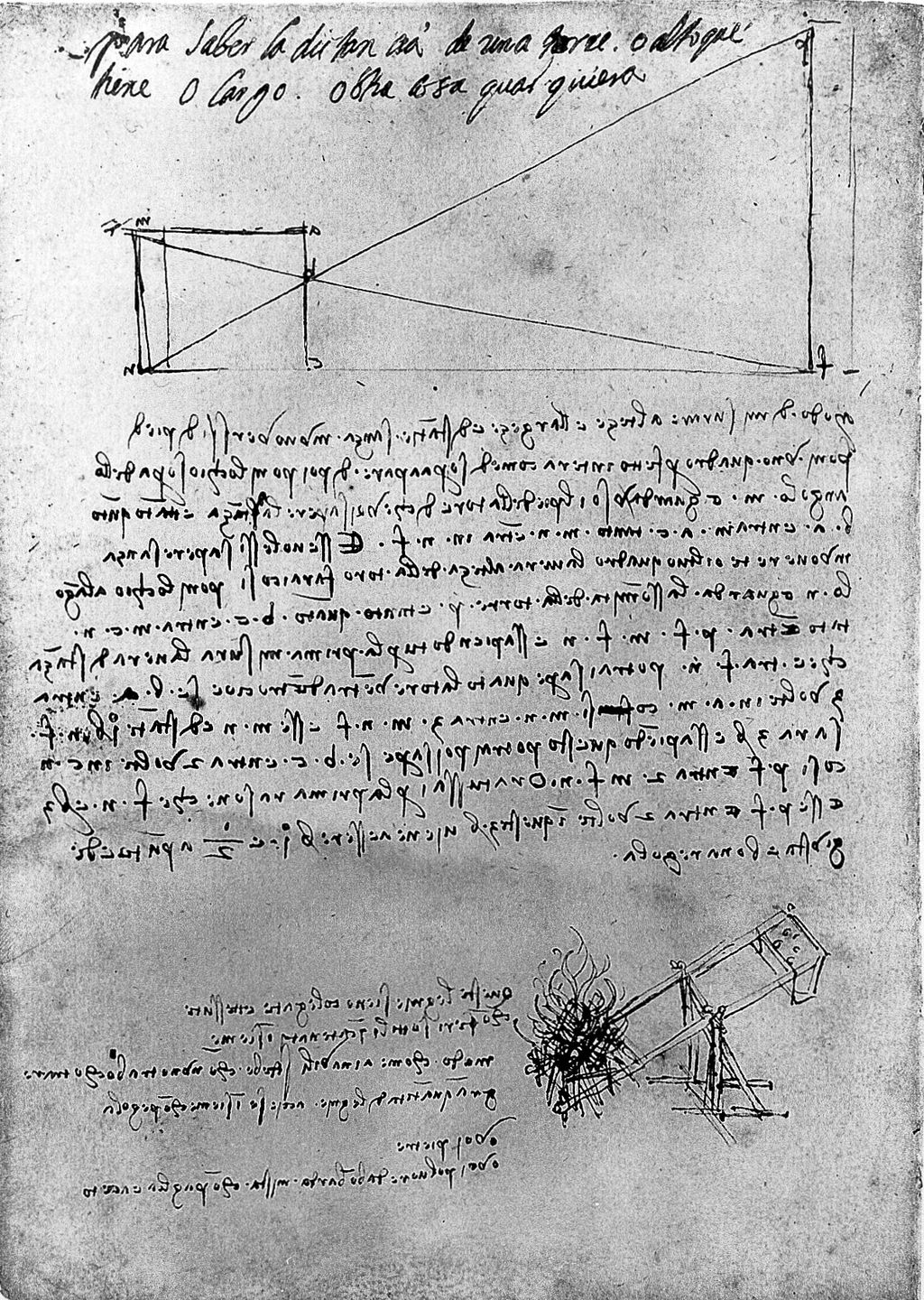
Pages from Leonardo da Vinci's manuscript notebooks with anatomical drawings and mirror script. CC BY 4.0, via Wikimedia Commons
This raises a peculiar question about innovation: does an idea exist if no one reads it? Leonardo imagined machines centuries before the technology to build them was available. He understood principles that would not be formalized until much later. But because his work remained private, it did not accelerate progress. It sat in notebooks, waiting. In the history of design and technology, influence requires transmission. Genius without distribution is just very sophisticated personal note-taking.
What Leonardo proved, though, is that creative work does not require an audience to be rigorous. His notebooks were not drafts for publication. They were tools for thinking. The act of sketching, annotating, revising, it clarified his ideas whether anyone else saw them or not. Modern designers and engineers still work this way: private notebooks, sketches, iterative thinking made visible on the page. The notebook is not just a record of ideas. It is the place where ideas happen.
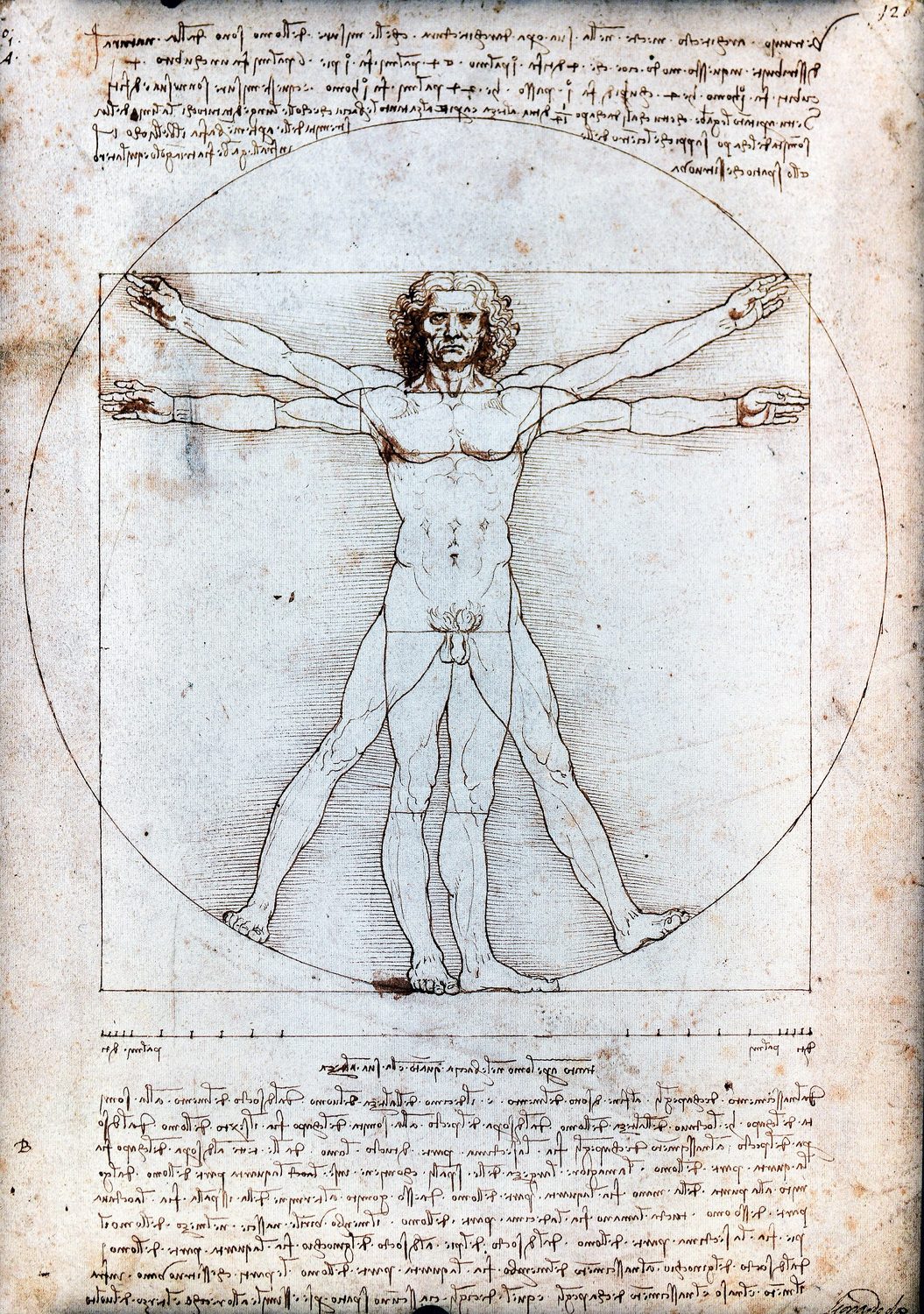
The Vitruvian Man, one of Leonardo's most famous notebook drawings. Paris Orlando, CC BY-SA 4.0, via Wikimedia Commons
Leonardo's legacy is less about what he built and more about how he thought. He approached every problem as if it were new, worth examining from first principles. He did not accept inherited knowledge without testing it. He believed that observation was the foundation of understanding, and that drawing was a form of thinking. Every sketch in his notebooks is both art and analysis, a way of seeing made tangible. That method is still the heart of design work today.
studio / on-this-day / May 2