studio / on-this-day / Apr 27
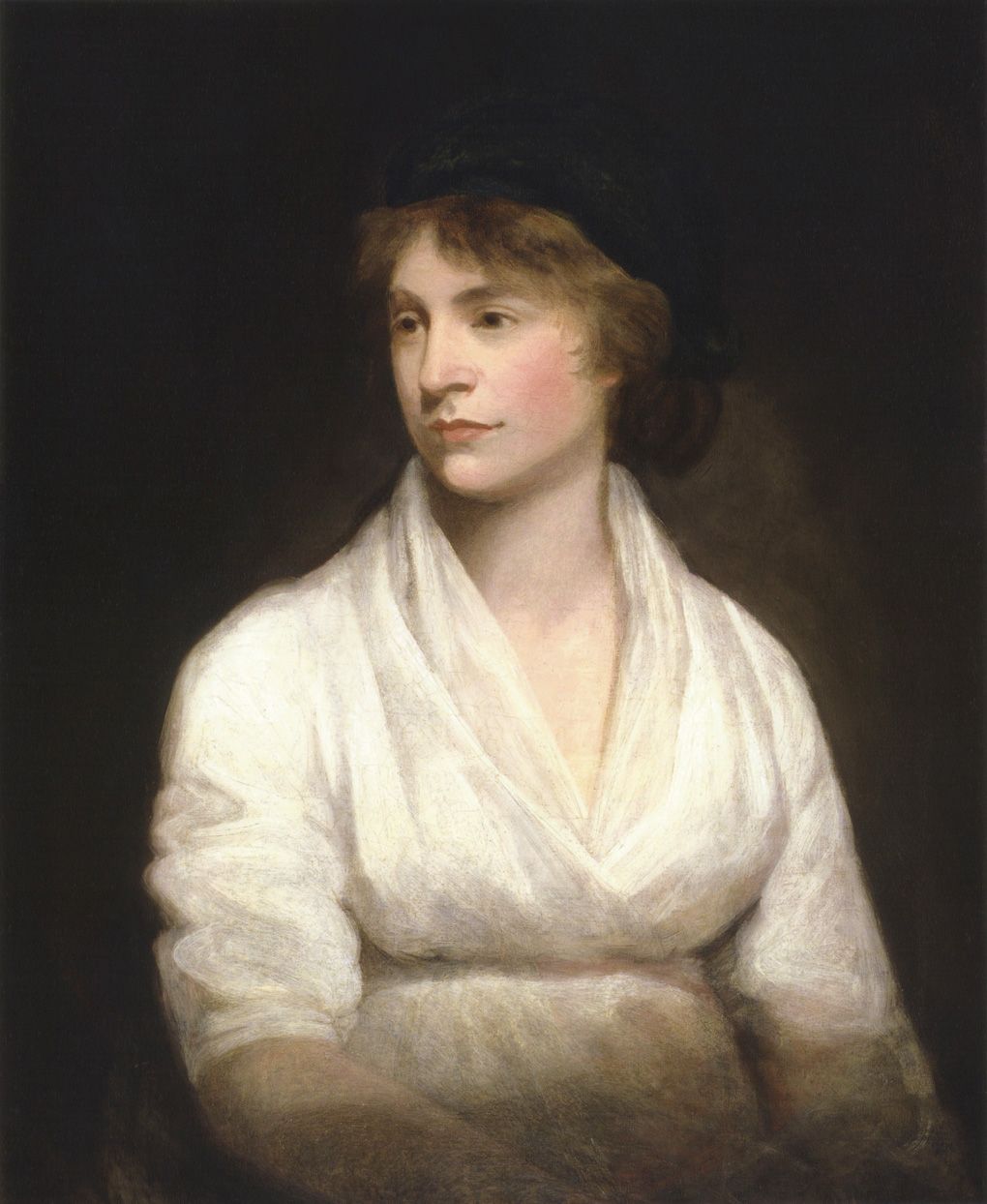
Mary Wollstonecraft, painted by john opie around 1797. public domain, via Wikimedia Commons
The Case Nobody Had Bothered to Make
On this day in 1759 — Mary Wollstonecraft was born. She wrote the argument for women's equality so plainly that it took the world a century to catch up, and helped start modern feminism almost single-handedly.
4 min read
Mary Wollstonecraft was born on April 27, 1759, in London, into a family being steadily ruined by a violent, drinking father. She had almost no formal schooling and pieced together an education herself, then supported herself in the few jobs open to a woman of her class, governess, companion, teacher, before deciding, radically, to try to live by her writing. Almost nothing in her circumstances predicted that she would produce one of the most important books of her century.
In 1792 she published A Vindication of the Rights of Woman, and made an argument that now sounds obvious and was then close to unthinkable: that women are not naturally inferior to men, that they only appear so because they are deliberately denied education and kept as ornaments. Give women real schooling and real responsibility, she argued, and the supposed differences in reason and character would largely evaporate. The apparent inferiority was not nature. It was design.
That reframing was the whole move, and it was a structural one. The debate of her time treated women's limitations as a fixed input, a fact about the world to be worked around. Wollstonecraft identified them instead as an output, the predictable result of a system built to produce exactly that result. Change the inputs, education, expectation, opportunity, and you change what women are capable of becoming. It is systems thinking applied to half the human race.
She wrote it fast, in a matter of weeks, in clear and often angry prose, without the cover of the academic apparatus that lent men's books authority. It was widely read and widely attacked, and for a while her reputation was destroyed less by the argument than by the facts of her unconventional life, which critics used to avoid engaging with what she had actually said.
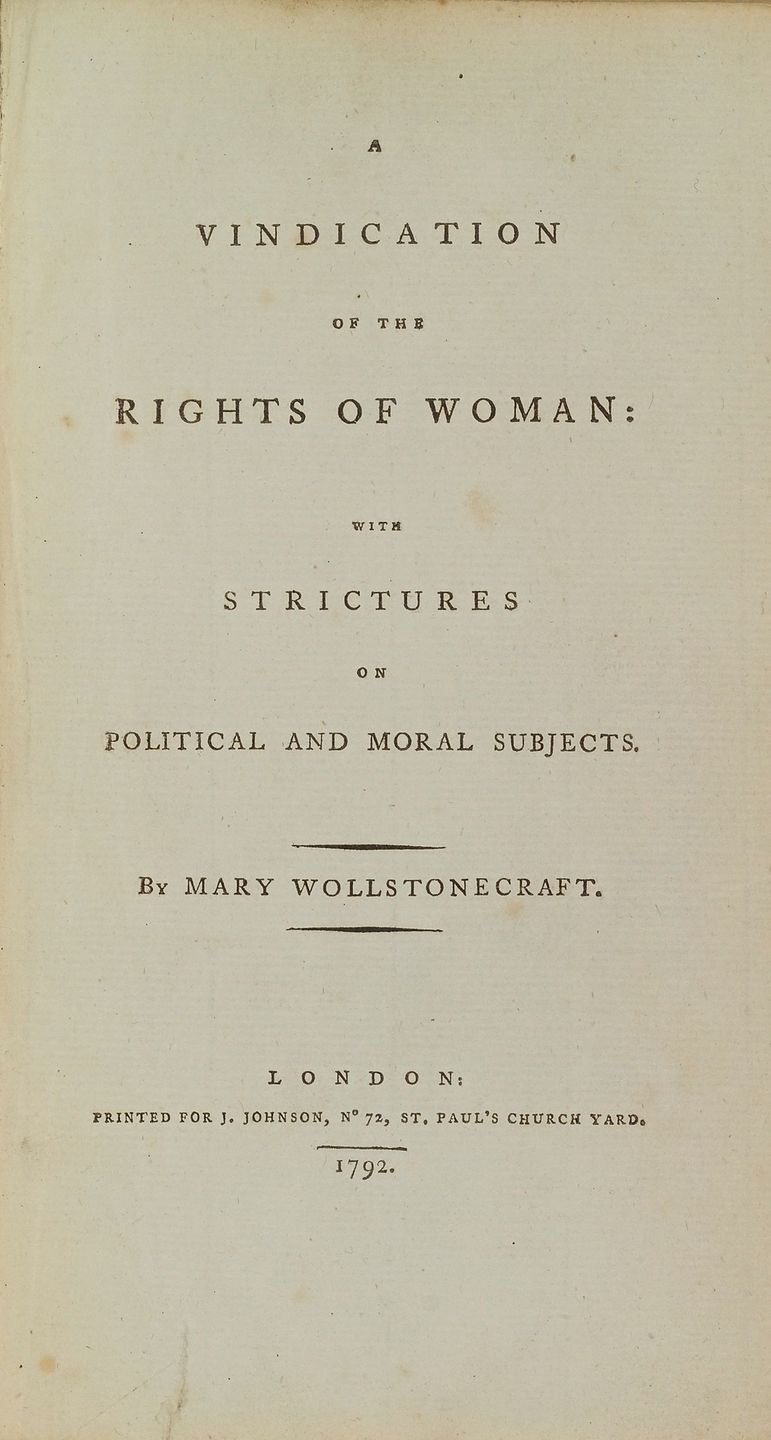
The title page of Wollstonecraft's 1792 "a Vindication of the Rights of Woman." Public domain, via Wikimedia Commons
But the argument did not go away, because it was correct and because it was clearly stated, and a clear, correct argument is very hard to kill. It sat there, in print, waiting. Generation after generation of women rediscovered it, and the movements that eventually won education, the vote, and legal personhood were arguing, in large part, the case she had set down in 1792.
She did not live to see any of it; she died at thirty-eight, days after giving birth to a daughter who would grow up to write Frankenstein. Wollstonecraft got almost none of the reward and most of the abuse. What she got right was the framing, and the framing outlived every insult thrown at her.
That is what a founding document does. It does not win the fight; it defines it, states the claim so plainly that everyone who comes after can pick it up and carry it. On April 27, 1759, a woman was born who looked at the accepted inferiority of her entire sex and correctly identified it as a thing that had been built, and could therefore be unbuilt.
studio / on-this-day / Apr 27