studio / on-this-day / Apr 11
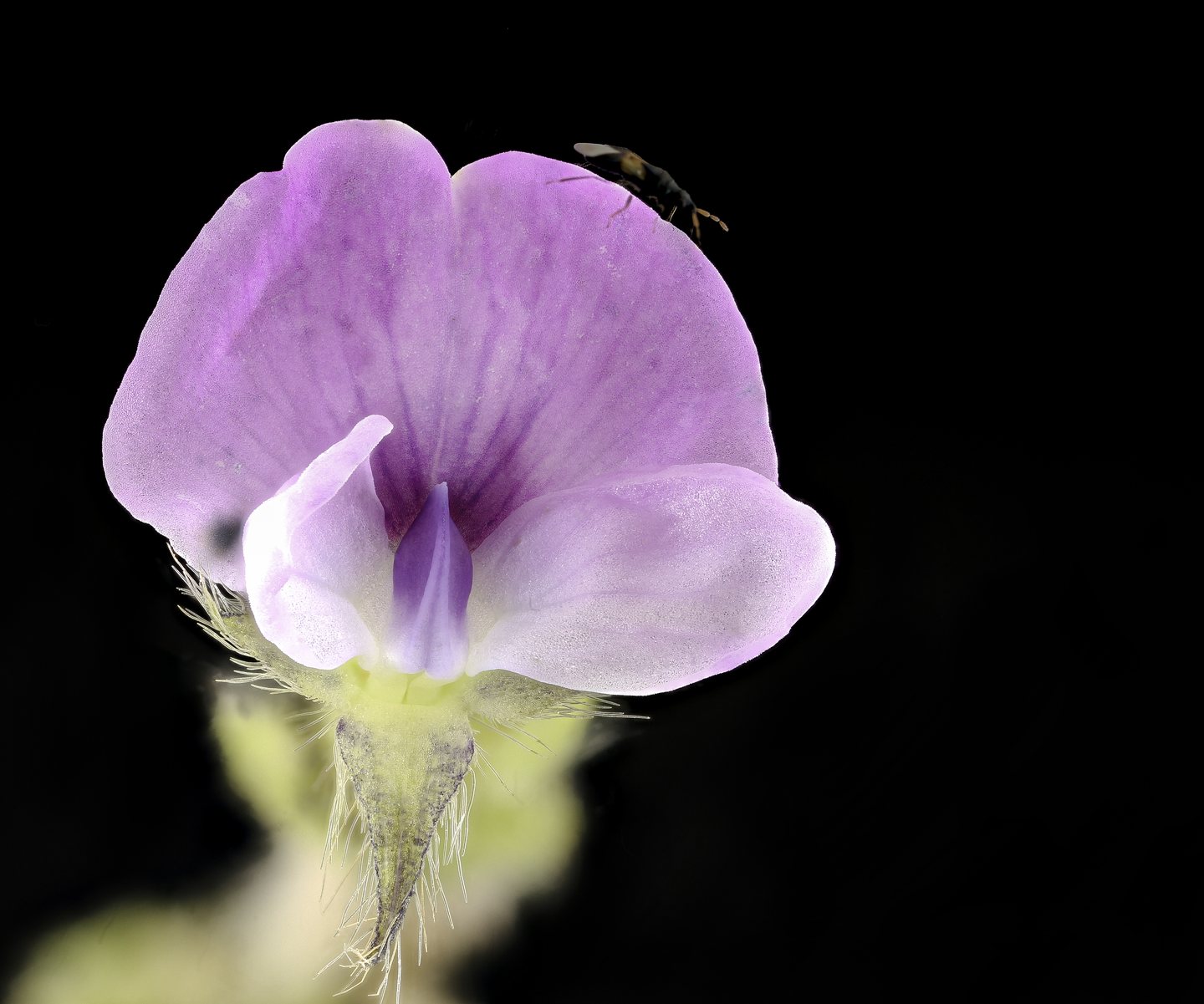
A soybean flower — the humble crop Percy Julian turned into medicine. USGS Bee Inventory and Monitoring Lab (Sam Droege), Public domain, via Wikimedia Commons
Medicine From the Soybean
On this day in 1899 — Percy Julian was born in Montgomery, Alabama. Grandson of enslaved people, he became a chemist who synthesized scarce, expensive medicines from something cheap and abundant: the soybean.
3 min read
Percy Lavon Julian was born on April 11, 1899, in Montgomery, Alabama, the grandson of people who had been enslaved. Alabama did not let Black students attend public school past the eighth grade, so his education was a gauntlet from the start. He entered DePauw University as a "sub-freshman," taking high-school classes at night to catch up, and graduated in 1920 as valedictorian. American graduate schools would not fully admit him; he earned his doctorate in Vienna in 1931, one of the first African Americans to hold a PhD in chemistry. He had to build his own access before he could build a single molecule.
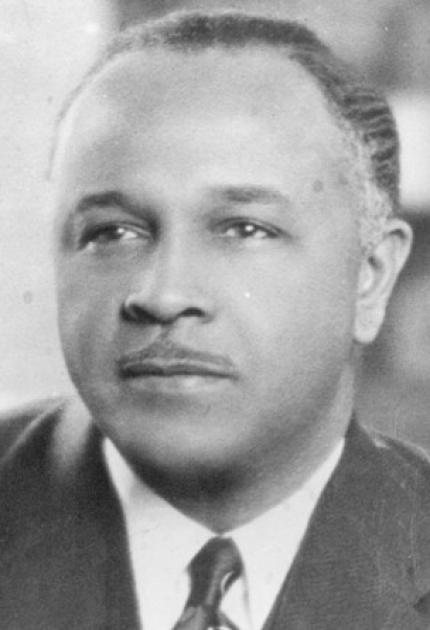
Percy Lavon Julian, c. 1950. National Inventors Hall of Fame, Public domain (copyright not renewed), via Wikimedia Commons
In 1935, back at DePauw, Julian achieved the first total synthesis of physostigmine, a compound used to treat glaucoma — beating a rival laboratory at Oxford and announcing himself as a world-class chemist. It should have made his career. Instead, universities and companies refused to put a Black chemist in charge of a lab. He finally found a place at the Glidden Company, a paint manufacturer, running its soybean division — an unglamorous post that turned out to be exactly the right one.
Soybeans, it happens, are full of sterols — molecular scaffolds close in shape to human hormones. Julian worked out how to extract and convert them at industrial scale, producing progesterone and testosterone, and steroid intermediates that would help make cortisone affordable. Before him, these compounds had to be extracted from animal glands in minuscule, ruinously expensive quantities. Julian made them from a field crop — turning scarce, costly medicine into something that could be manufactured by the ton.
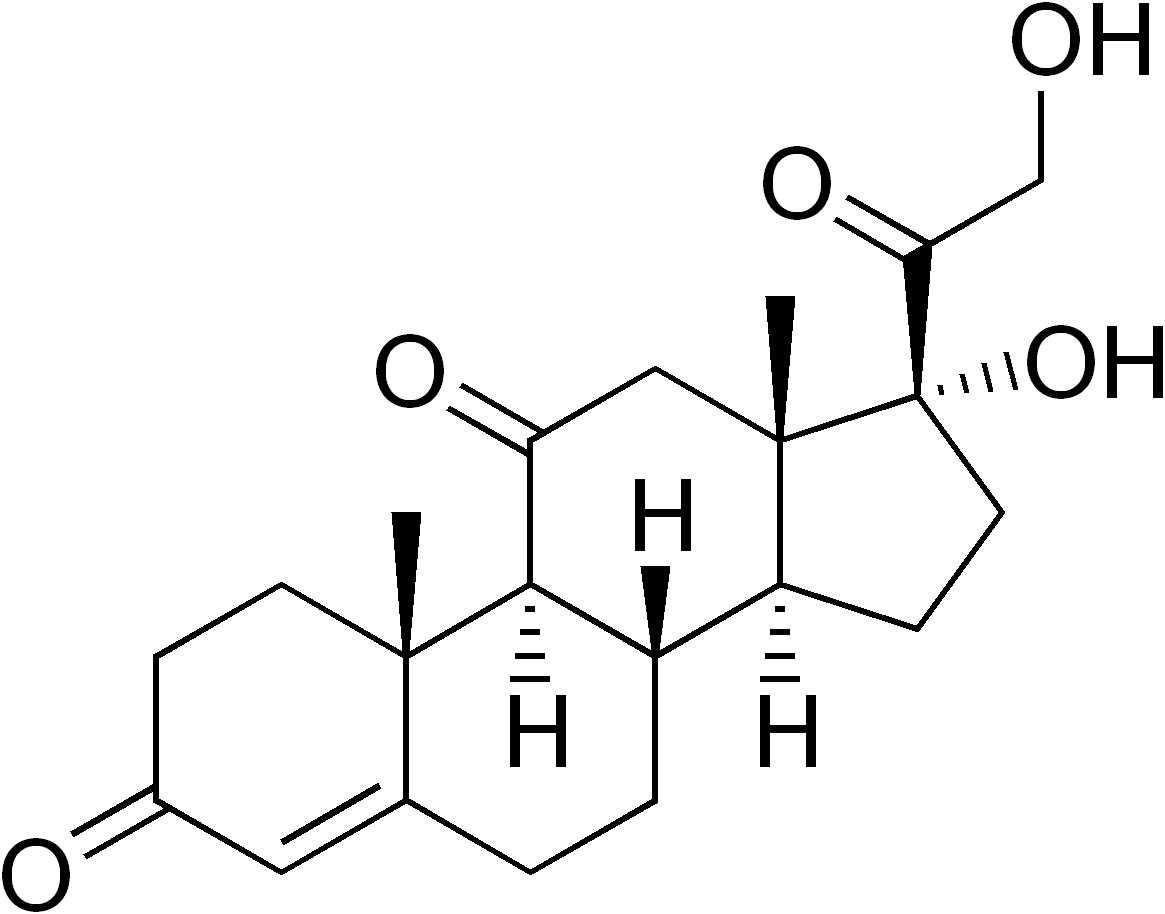
The chemical structure of cortisone, one of the steroids Julian helped make affordable. Chemical diagram, public domain, via Wikimedia Commons
Cortisone transformed the treatment of rheumatoid arthritis, and the chemistry Julian pioneered helped drive its cost from hundreds of dollars a dose toward pennies. He founded his own firm, Julian Laboratories, eventually held more than a hundred patents, and in 1973 became the first African American chemist elected to the National Academy of Sciences. Like George Washington Carver before him, he found abundance hidden inside a humble crop.
None of it came easily. When Julian moved his family into the white Chicago suburb of Oak Park, his home was firebombed before he had finished moving in, and attacked again the following year. He died on April 19, 1975. His life is a double proof: of what synthesis can do — build the rare and precious out of the common and cheap — and of how much a country wastes when it forces a mind like his to fight for every inch of room to work.
studio / on-this-day / Apr 11