studio / on-this-day / Mar 1
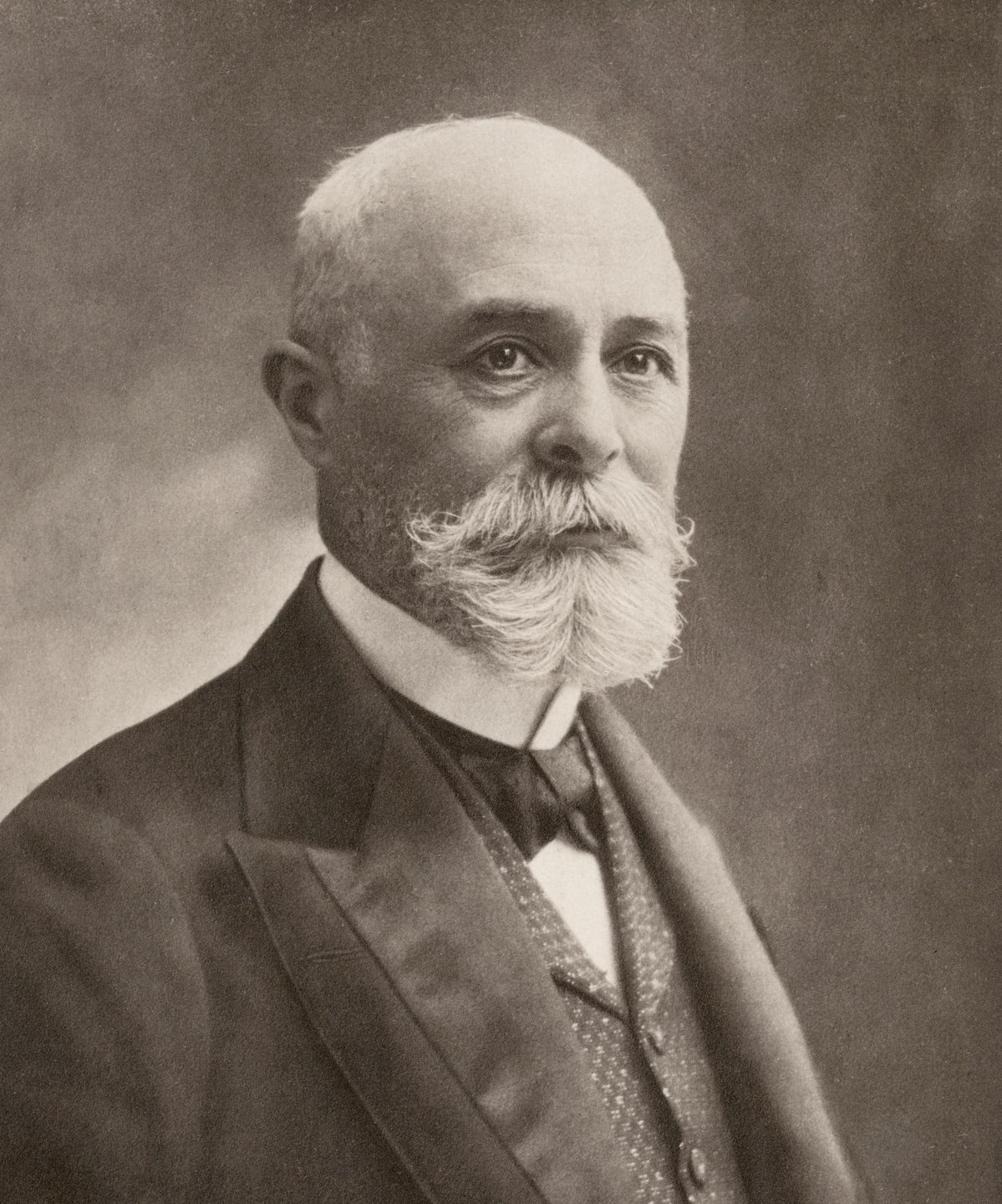
Henri Becquerel, circa 1905. Paul Nadar, Public domain, via Wikimedia Commons
The Accident That Glowed in the Dark
On this day in 1896 — Henri Becquerel discovered radioactivity by accident, when a uranium salt fogged a photographic plate shut away in the dark.
3 min read
Henri Becquerel was investigating the wrong thing when he changed physics forever. On March 1, 1896, he announced to the French Academy of Sciences that uranium salts emitted invisible rays capable of exposing photographic plates, even in complete darkness. It was not what he had set out to find. He had been studying phosphorescence, the way some materials glow after exposure to light. What he found instead was something that glowed on its own, indefinitely, from an energy source no one had imagined.
The discovery came from a failed experiment. Becquerel had wrapped photographic plates in black paper and placed uranium salts on top, intending to expose them to sunlight. His hypothesis was that sunlight would charge the uranium, which would then emit X-rays. But Paris in late February was overcast. The plates sat in a drawer, waiting for sun that never came. On March 1, perhaps out of impatience or curiosity, he developed the plates anyway. They were heavily exposed. The uranium had been emitting rays the entire time, in the dark, with no external energy source.
Becquerel had stumbled on spontaneous radiation. Unlike phosphorescence, which stores and releases absorbed light, this was energy emerging from matter itself. He called it "uranic rays." It would take Marie Curie to give it the name that stuck: radioactivity. The term was perfect. This was activity from the radius, the root, the atomic core. Matter was not inert. It was burning itself down at timescales that made human lifespans look like camera flashes.
The discovery fit no existing framework. In 1896, atoms were still thought to be indivisible. The periodic table was organized by weight, not structure. Energy was conserved. Becquerel's uranium violated all of that. It emitted energy without diminishment, without fuel, without explanation. Here was matter performing alchemy on itself, transmuting elements over eons, radiating power from a source that seemed infinite because human instruments could not measure its decay.
Becquerel came from a dynasty of physicists. His grandfather and father had both studied phosphorescence and held the same chair at the Muséum National d'Histoire Naturelle in Paris. Henri inherited both the position and the research focus. He was working within a family tradition when he encountered something that shattered tradition entirely. The tools of 19th-century experimental physics, photographic plates and wrapped samples and darkrooms, were just sensitive enough to register the atomic world leaking into the visible one.
Within two years, Marie and Pierre Curie had isolated polonium and radium, elements far more radioactive than uranium. Becquerel's discovery became the foundation of nuclear physics, medical radiology, carbon dating, and the controlled chain reactions that Enrico Fermi would achieve in 1942. It also opened the door to weapons capable of ending civilization. Radioactivity was design at the smallest scale imaginable, with consequences at the largest.
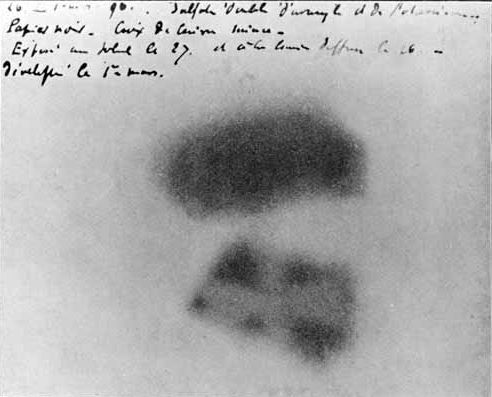
Becquerel's photographic plate exposed by uranium salts through black paper, demonstrating spontaneous radiation. Henri Becquerel, Public domain, via Wikimedia Commons
Becquerel shared the 1903 Nobel Prize in Physics with the Curies. He carried a sample of radium in his pocket during a lecture and later developed a radiation burn on his skin. He did not connect the burn to the radium for weeks. The new physics was invisible, patient, and dangerous in ways that took decades to understand. Radium watch dials glowed in factory windows. Scientists held radioactive samples in their bare hands. The Curies' notebooks are still too radioactive to handle safely. Becquerel died in 1908, likely from radiation exposure, though the exact cause was never confirmed.
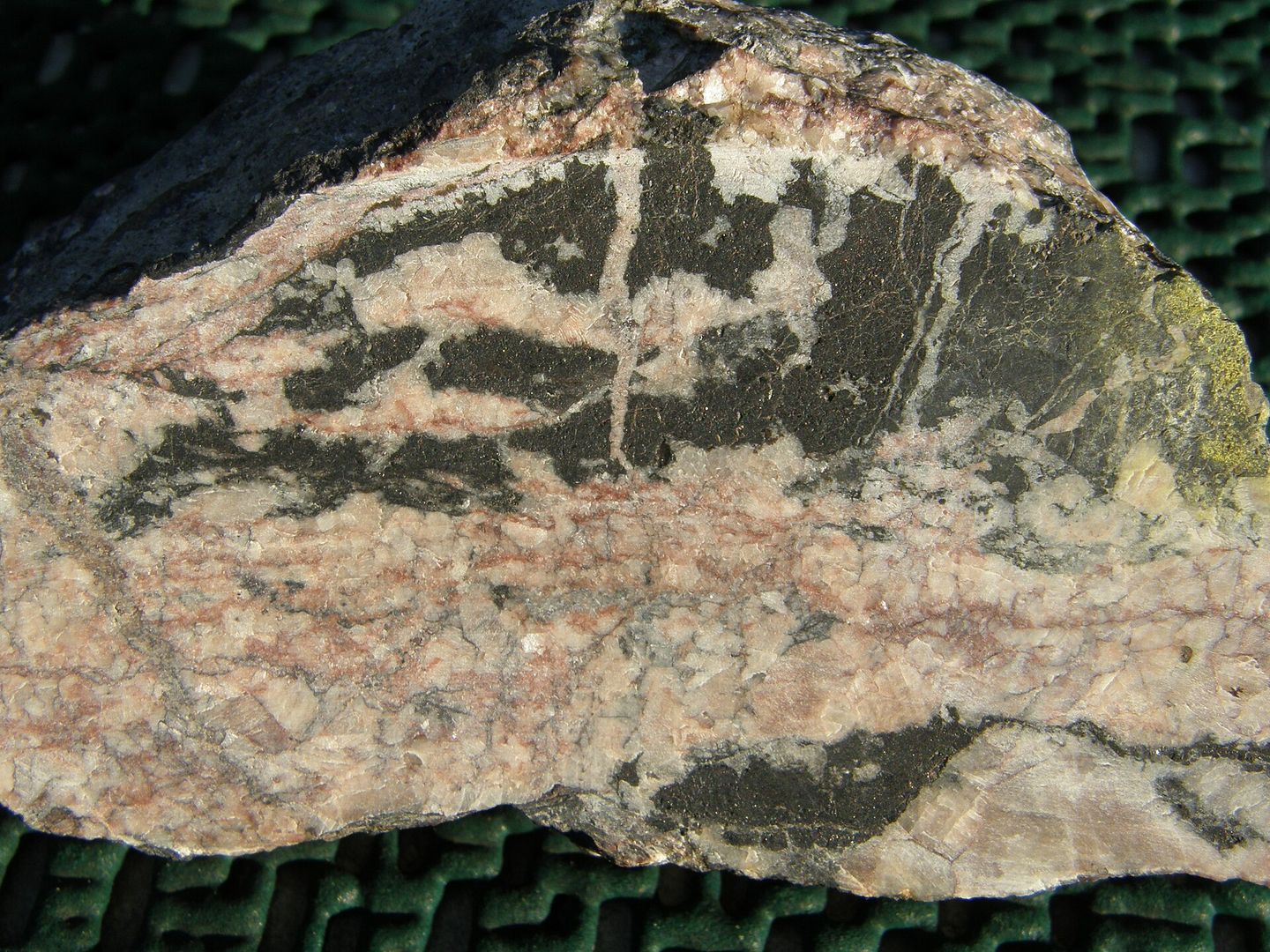
Pitchblende, the uranium-rich ore whose salts exposed Becquerel's plates in the dark. Geomartin (talk), Public domain, via Wikimedia Commons
What Becquerel discovered on March 1, 1896, was that matter has a half-life. Everything solid is temporary. Atoms are not Lego bricks but tiny clocks, counting down in the dark. Some tick slowly enough that their decay spans billions of years. Others burn out in fractions of a second. The cloudy week in February that forced Becquerel to develop his plates early was an accident. But accidents are just experiments where the variables get rearranged. Sometimes the rearrangement reveals what was always there, waiting to be seen.
studio / on-this-day / Mar 1