studio / on-this-day / Feb 15
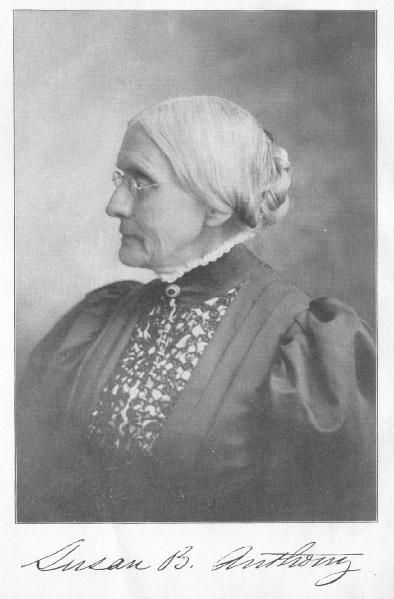
Susan b. Anthony, photographed around 1898. public domain, via Wikimedia Commons
She Voted, and Was Arrested for It
On this day in 1820 — Susan B. Anthony was born. She cast a ballot she knew was illegal, took the arrest on purpose, and spent her life building the machine that would outlast her.
4 min read
Susan B. Anthony was born on February 15, 1820, in Massachusetts, into a Quaker family that treated women and men as spiritual equals, which was, in the America of the time, a genuinely unusual starting point. She grew up assuming her voice counted, and spent the rest of her long life colliding with a country that had decided, in law, that it did not.
In 1872 she did something deliberate and illegal: she went to the polls in Rochester, New York, and voted in the presidential election. She knew she had no legal right to; that was the point. She was arrested, tried, and fined one hundred dollars. She announced in court that she would never pay a dollar of it, and she never did. The arrest was not a mishap. It was a designed test, an attempt to force the courts to confront the contradiction between the country's stated principles and its actual law.
The courts dodged. But Anthony understood something about durable change: that a single dramatic act is not enough, that you have to build the slow, unglamorous machinery underneath it. For decades she did exactly that, traveling constantly, giving thousands of speeches, organizing conventions, publishing a newspaper, and assembling the associations and arguments a movement needs to survive its founders.
She was not, by temperament, only a firebrand; she was an organizer and an institution-builder. She co-founded suffrage associations, co-authored a massive multi-volume history of the movement so it could not be erased, and mentored the younger women who would eventually finish the work. She was building infrastructure, the scaffolding that lets a cause outlast any one lifetime.
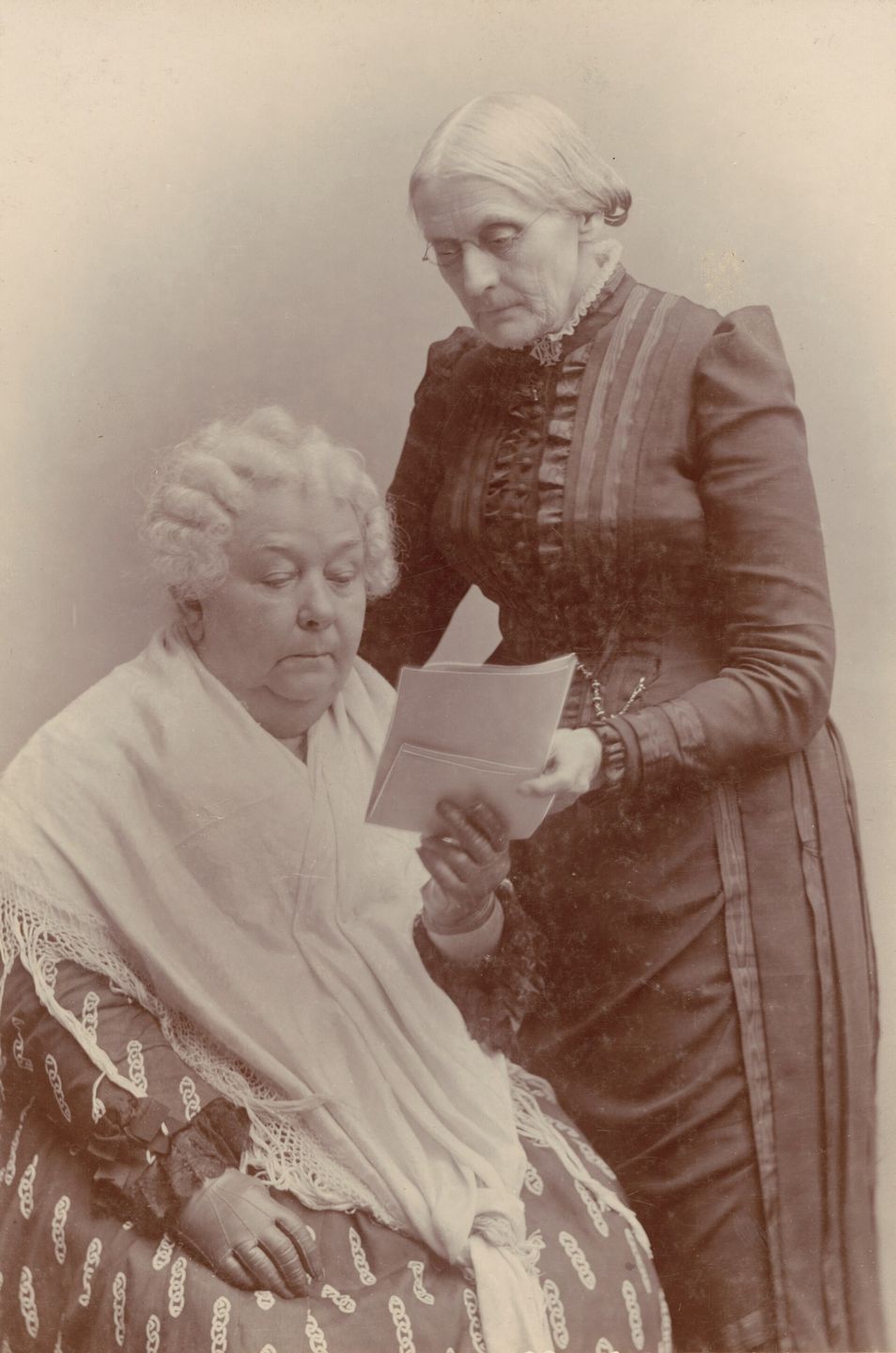
Susan b. Anthony, standing, with her lifelong collaborator elizabeth Cady Stanton. Public domain, via Wikimedia Commons
It had to outlast hers. Anthony died in 1906, fourteen years before the Nineteenth Amendment, sometimes called the Anthony Amendment, finally guaranteed American women the right to vote in 1920. She spent more than half a century on a goal she was certain of and never got to see reached.
That is the hard version of building something real. The satisfying stories are the ones where the founder cuts the ribbon. Anthony's is the other kind: she did the decades of patient, structural work knowing the payoff would land after she was gone, because the thing she was building was bigger than the span of her own life.
Her last public words were "Failure is impossible." It was not a prediction that she personally would win; it was an instruction to the people who would have to keep going without her. She had built the movement to run past her death on purpose, and it did. On February 15, 1820, a woman was born who would help design a change she would never personally enjoy, and who bet, correctly, that the machine she built would finish the job.
studio / on-this-day / Feb 15