studio / on-this-day / Feb 14
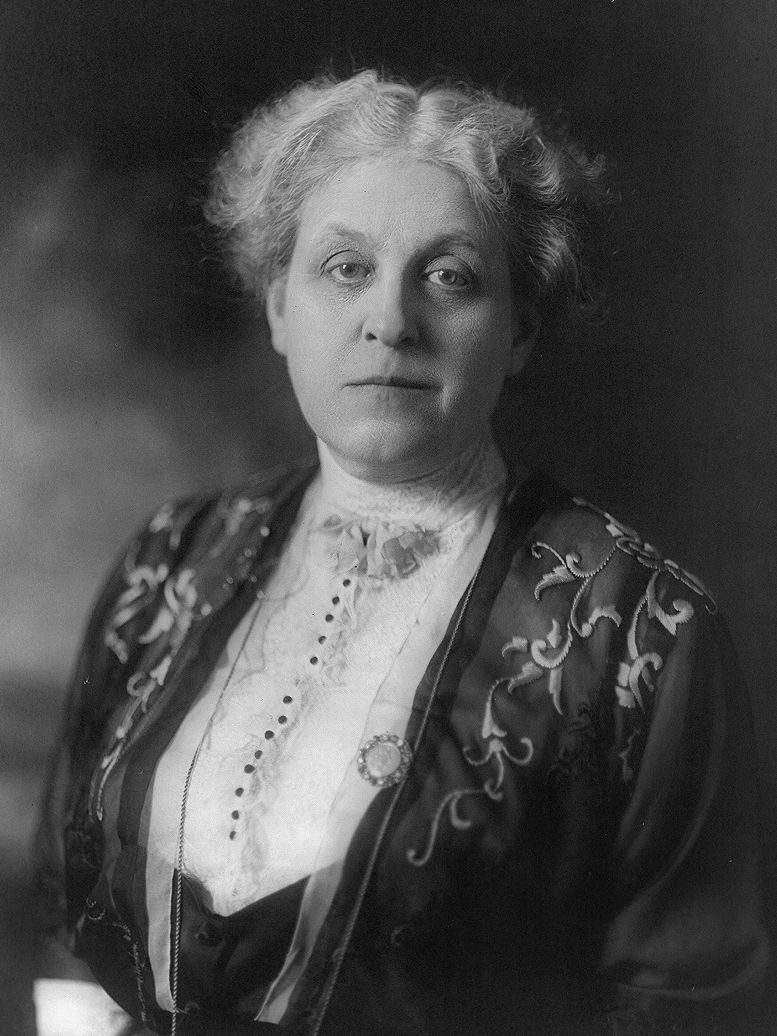
Carrie Chapman Catt, Suffrage strategist and founder of the League of Women Voters. Public domain, via Wikimedia Commons
The Machine Built for the Day After
On this day in 1920 — the League of Women Voters was founded, months before women could even vote nationwide, to teach twenty million new voters how to use a power they were about to win.
4 min read
On February 14, 1920, in Chicago, the suffragist Carrie Chapman Catt and her colleagues founded the League of Women Voters. The timing is the striking part: the Nineteenth Amendment, guaranteeing American women the vote, would not be ratified for another six months. They were building the organization to use a right before that right legally existed, constructing the machine that would run on a power they were still finishing winning.
Catt was, by then, a veteran strategist. She had led the final phase of the suffrage campaign with a document she called the "Winning Plan," a coordinated national strategy that treated the fight for the vote less like a moral crusade and more like a logistics problem, which states to press, in what order, with what resources. She understood that winning a right and exercising it well are two different tasks, and that the second one also has to be organized.
That was the League's whole purpose. Roughly twenty million women were about to become voters more or less overnight, most with no experience of the mechanics of registration, ballots, candidates, and issues, because the system had never before let them practice. A right you do not know how to use is only half a right. The League was designed to close that gap, through nonpartisan education, voter guides, and the patient teaching of how the civic machinery actually works.
The choice to be nonpartisan was itself a design decision, and a shrewd one. The League would not tell women how to vote; it would teach them how to evaluate, how to read a ballot, weigh a candidate, understand a measure. That made it durable and trusted in a way a partisan body never could be, and it is why the organization still runs candidate debates and voter guides more than a century later.
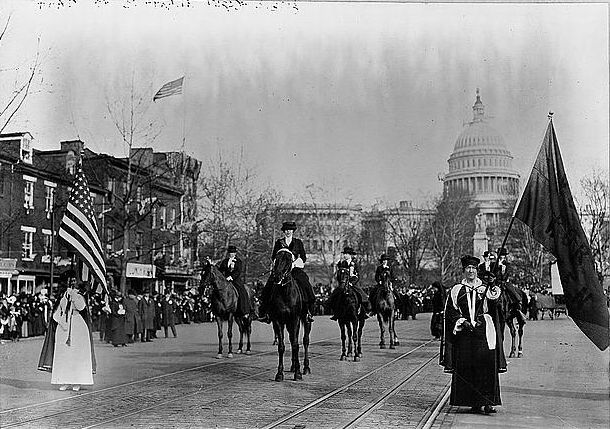
Suffragists of the National American Woman Suffrage Association, whose members founded the League of Women Voters. Public domain, via Wikimedia Commons
There is a builder's lesson in the sequencing. The dramatic victory, the amendment, was necessary but not sufficient. Catt and the League understood that a new capability is worthless if the people who receive it are not equipped to operate it, so they built the training layer in advance, ready the moment the right arrived. They treated adoption as a problem to be engineered, not assumed.
This is exactly the step most movements skip. It is far more exciting to win the headline right than to build the unglamorous infrastructure that lets ordinary people actually use it. Catt, having spent decades on the first task, refused to leave the second to chance. The League was the onboarding system for a brand-new class of participants in democracy.
It launched before the thing it was built to support even existed, and it outlasted almost everyone who founded it. On February 14, 1920, a group of women who had just spent their lives winning a right turned immediately to the harder, quieter question of how to make sure it would be used well, and built the institution to do it.
studio / on-this-day / Feb 14