studio / on-this-day / Nov 29
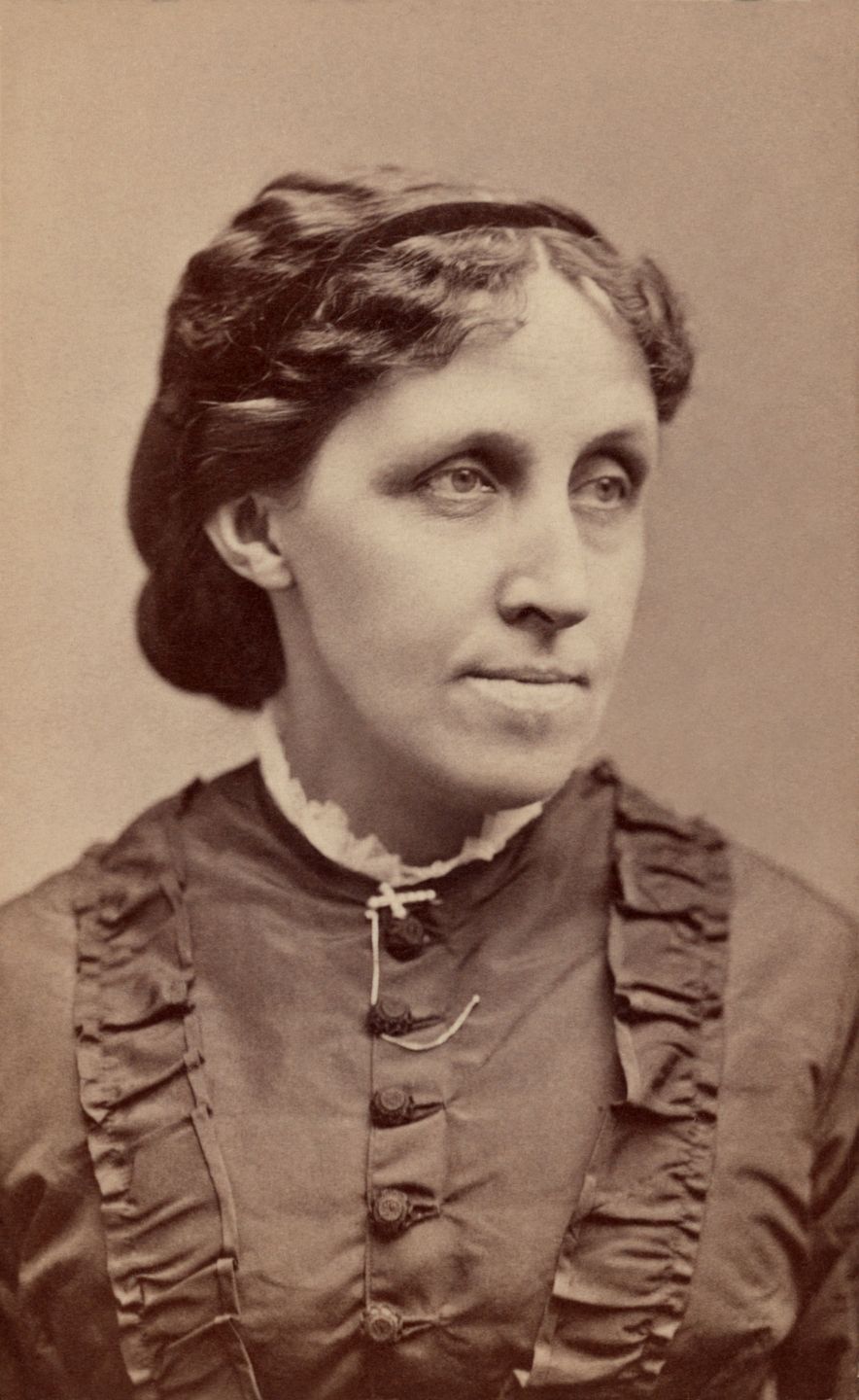
Louisa May Alcott, photographed around 1870. public domain, via Wikimedia Commons
She Wrote It for the Money
On this day in 1832 — Louisa May Alcott was born. She wrote the book that made her famous reluctantly, to pay her family's bills, and accidentally created something that has never gone out of print.
4 min read
Louisa May Alcott was born on November 29, 1832, into a family that was rich in ideas and reliably short of money. Her father was a brilliant, impractical philosopher, close friends with Emerson and Thoreau and almost incapable of earning a living. From a young age Louisa understood that if the family was going to be fed, someone practical would have to do it, and that someone was going to be her.
So she worked, at everything, as a teacher, a seamstress, a domestic servant, and, increasingly, a writer. She wrote fast and for pay, including a stream of lurid, pseudonymous thrillers full of revenge and passion that sold well and that she rather enjoyed producing. Writing, for Alcott, was first of all a job, a way to turn effort into rent, and she was good at it precisely because she treated it as work.
In 1868 a publisher asked her to write a book for girls. She was not especially interested; she said herself that she did not much like girls or know many, apart from her own sisters. She wrote Little Women anyway, quickly, drawing on the family she did know, and expecting little from it. It became one of the most beloved and enduring novels in American literature and has never once been out of print.
The reluctance is the interesting part. The book endures because it is honest and specific and alive, and it is those things in large part because Alcott was not straining to produce a Great Work. She was doing a competent professional job on an assignment, using the real material closest to hand, her sisters, her poverty, her own restless ambition poured into the character of Jo. The lack of pretension let the truth in.
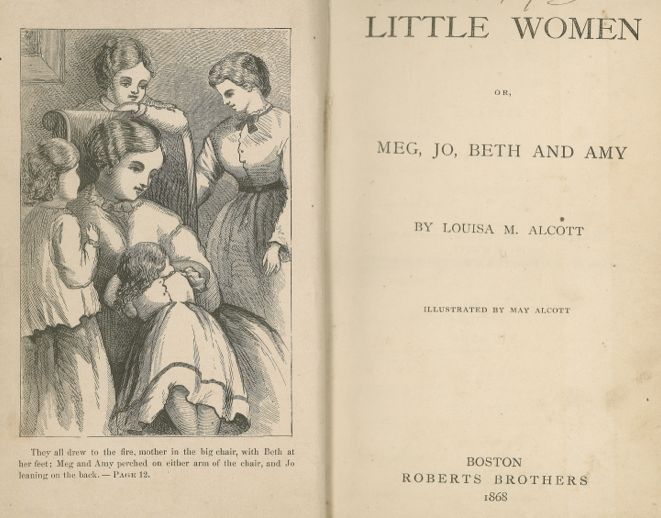
The title page of the 1868 first edition of "Little Women." Public domain, via Wikimedia Commons
It also made her, at last, financially secure, which had always been the actual goal. Little Women and its sequels supported her family for the rest of her life and freed her from the grind that had defined her youth. The book she wrote with the least artistic ambition was the one that solved the practical problem she had been fighting since childhood.
There is a lesson in that about the gap between intention and result. We tend to assume the masterpiece must come from the pursuit of a masterpiece. Often it comes from someone skilled doing honest, unglamorous work on a real problem, without the self-consciousness that grandeur brings. Alcott aimed at paying the bills and hit something permanent.
She kept writing, and kept supporting the people around her, until she died in 1888. She is remembered for the book she almost did not bother to care about, which turned out to hold her most, precisely because she let it be ordinary and true. On November 29, 1832, a writer was born who did her best work by treating it, without apology, as a job worth doing well.
studio / on-this-day / Nov 29