studio / on-this-day / Nov 21
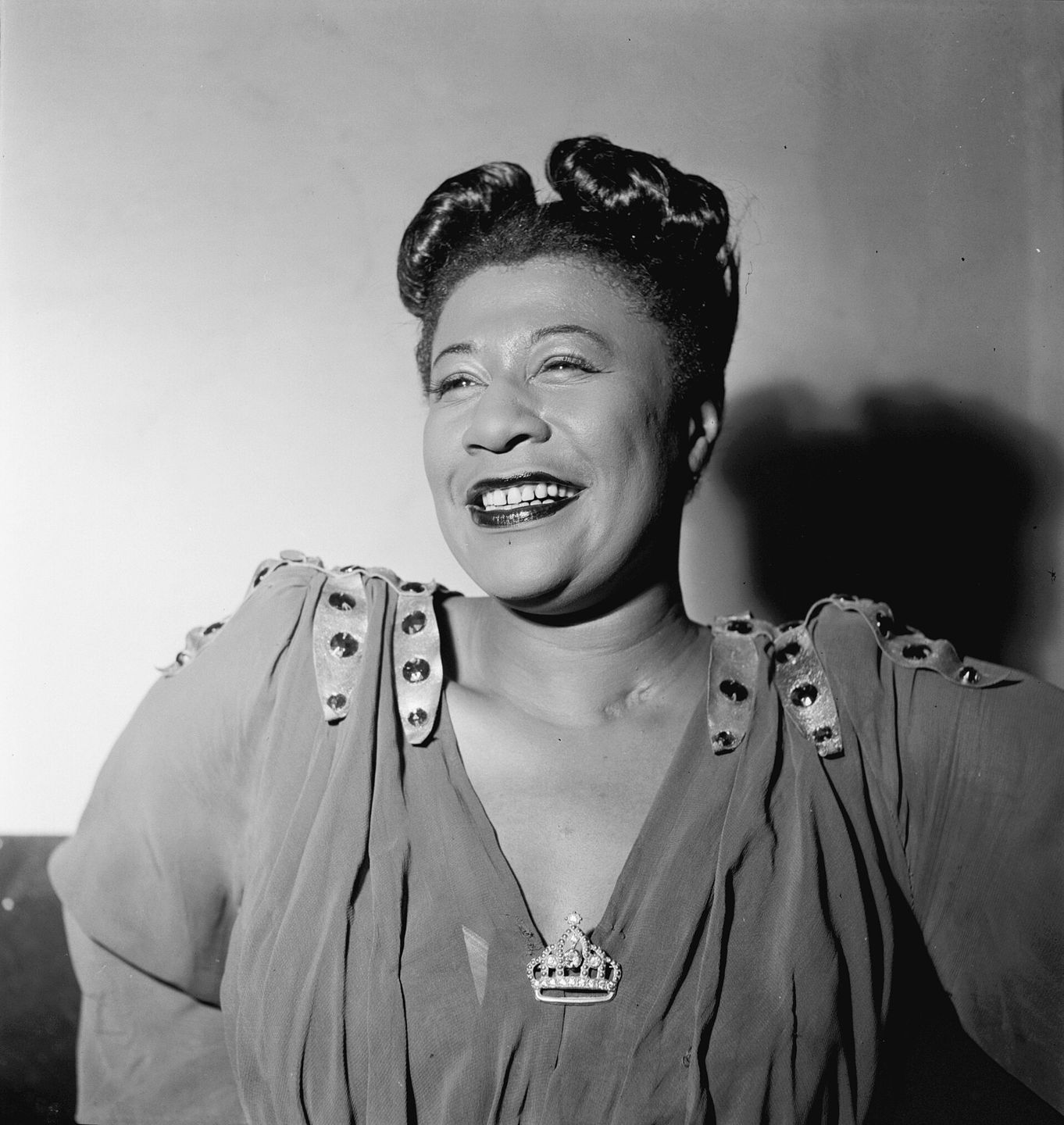
Ella Fitzgerald, photographed in the 1940s, a decade after her Apollo debut. Public domain, via Wikimedia Commons
The Night She Changed Her Act
On this day in 1934 — a nervous seventeen-year-old came to Amateur Night at the Apollo to dance, saw she could not win that way, and sang instead. Ella Fitzgerald walked off with the prize.
4 min read
On November 21, 1934, a seventeen-year-old girl named Ella Fitzgerald put her name down for Amateur Night at the Apollo Theater in Harlem. She had won the slot in a drawing. She was, at that point, more or less on her own on the streets of New York, having lost her mother and fled a hard situation, and she had come to the Apollo to dance. Dancing was her plan and her act.
Amateur Night at the Apollo was, in its way, a machine. Every week it took in unknowns and ran them in front of the toughest audience in America, a crowd that booed the weak off the stage without mercy and roared for anyone with something real. It was a brutal, honest filter, and for a young Black performer in 1934 with no money and no connections, it was one of the few doors that would open at all. Win it, and people noticed.
When Ella's turn came, she looked at the act just ahead of her, a slick, polished dance duo called the Edwards Sisters, and understood in an instant that she could not beat them on their own ground. So, standing in front of the most unforgiving audience in show business, she changed her entire act on the spot. She would not dance. She would sing.
That decision is the whole story. She had almost certainly practiced the dancing more; singing was the riskier bet, made in the worst possible moment, with no rehearsal and no safety net. But she had looked clearly at the competition, seen the truth, and chosen the thing she could actually win with over the thing she had prepared. She sang "The Object of My Affection," and the famously cruel Apollo crowd went quiet, then loud. She won first prize.

The Apollo Theater on 125th Street in Harlem, whose Amateur Night launched Ella Fitzgerald. Rup11, CC BY-SA 3.0, via Wikimedia Commons
There is a discipline in that pivot worth naming. Plenty of people, frozen on a stage, would have gone ahead and danced the routine they came in with, because it was the plan and changing it was terrifying. Ella threw out the plan the moment the evidence said the plan would lose. She held on to the goal, winning, and let go of the comfort of her preparation, and she did it in real time, under maximum pressure.
The prize was twenty-five dollars and, far more valuable, attention. Within a year she was singing with Chick Webb's band; within a decade she was one of the most important voices in American music, in a career that would run more than half a century and reshape how a popular song could be sung. All of it downstream of a teenager deciding, in a few seconds, to do the other thing.
It is easy to file this night under luck, or raw talent, and both were surely present. But the hinge of it was a decision: to see the situation as it actually was, not as she had planned for it, and to act on what she saw. The talent got her onto the stage. The willingness to change the act when the facts changed is what got her off it a winner.
studio / on-this-day / Nov 21