studio / on-this-day / Nov 20
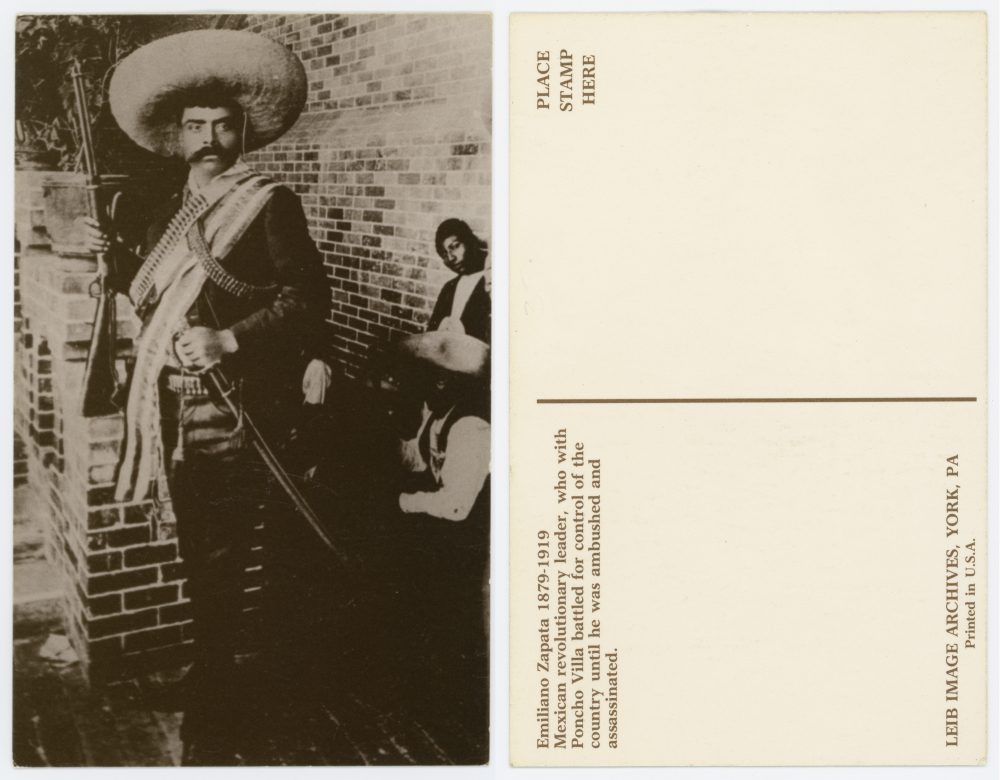
Emiliano Zapata, a leader of the Mexican Revolution that began in 1910. Public domain, via Wikimedia Commons
When the System Breaks
On this day in 1910 — the Mexican Revolution began, a system of entrenched power finally challenged by a system of ordinary people.
3 min read
November 20, 1910, was supposed to be the day Mexico rose up against Porfirio Díaz, the dictator who had ruled the country for 34 years. Francisco Madero, a wealthy landowner turned revolutionary, had called for an armed rebellion to begin at 6 p.m. in every town and village. It didn't happen that way. Revolutions rarely follow their own schedules. The uprising was scattered, poorly coordinated, and initially ineffective. But it started something that couldn't be stopped. By May 1911, Díaz was in exile. By 1920, Mexico had rewritten its constitution, redistributed land, and redefined what the state owed its citizens. Between those dates, a million people died.
Díaz had modernized Mexico using a brutal formula: foreign investment, infrastructure development, and absolute political control. Railroads crisscrossed the country. Telegraph lines connected cities. Oil fields attracted American and British capital. But the benefits flowed upward. Most Mexicans lived as peasants on land they didn't own, working for wages that barely covered survival. Elections were staged. Dissent was crushed. The system worked perfectly for those it was designed to serve, which made it fragile for everyone else. When Madero published his Plan of San Luis Potosí, calling for free elections and land reform, he gave a name to frustrations that had been building for decades.
Madero was an unlikely revolutionary. He came from one of the wealthiest families in Mexico, educated in France and the United States, a vegetarian and spiritualist who believed in compromise and democratic process. He wanted reform, not upheaval. But once the system began to fracture, it fractured everywhere at once. In the north, Pancho Villa led a cavalry of ranchers and cowboys. In the south, Emiliano Zapata organized indigenous farmers under the slogan "Tierra y Libertad," land and liberty. They fought for different reasons, used different methods, and had different visions for what Mexico should become. The revolution was not a single movement. It was a network of parallel uprisings, loosely connected, often in conflict with each other.
Madero won the presidency in 1911 but was overthrown and killed two years later by one of his own generals, Victoriano Huerta, with support from the U.S. ambassador. The violence escalated. Armies formed and dissolved. Factions allied and betrayed each other. The United States invaded Veracruz in 1914, occupying the port for seven months. Villa retaliated by raiding American towns, prompting a military expedition that chased him through northern Mexico without ever catching him. The revolution consumed itself, again and again, until exhaustion forced a settlement.
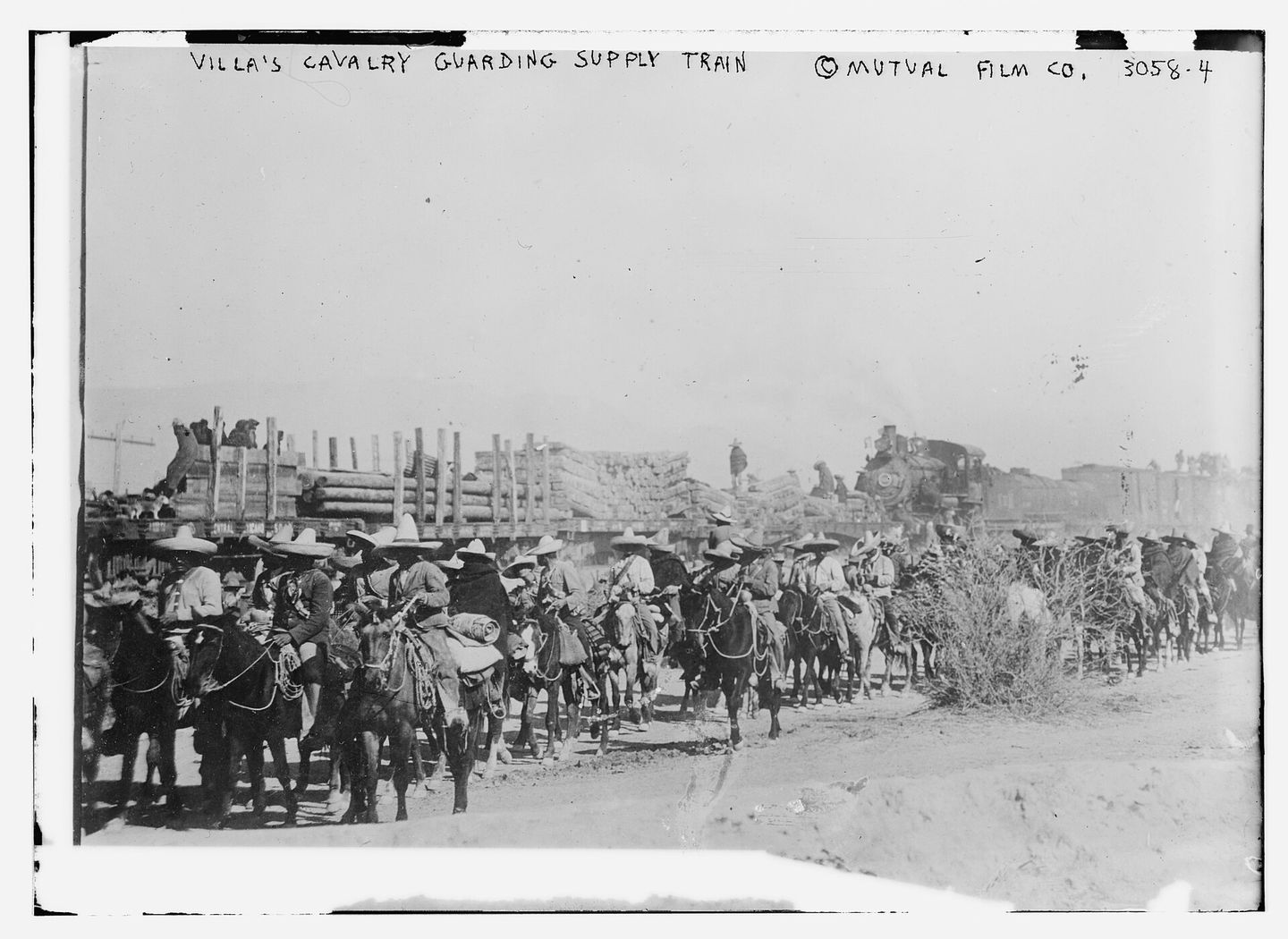
Pancho Villa's cavalry guarding a supply train in northern Mexico. Bain News Service, publisher, Public domain, via Wikimedia Commons
The Constitution of 1917 emerged from the chaos as one of the most progressive legal frameworks of its time. It guaranteed labor rights, limited foreign ownership of resources, mandated land redistribution, and separated church from state. It was a systems redesign on paper, an attempt to encode the revolution's ideals into law. Implementation was uneven. Land reform happened slowly. Labor protections were ignored as often as they were enforced. But the document itself became a template, influencing constitutions across Latin America and reshaping how nations thought about social justice and economic rights.
The revolution officially ended in 1920, though fighting continued in some regions for years. Mexico had been rebuilt, but the cost was staggering. Entire villages had been erased. Infrastructure was destroyed. The economy collapsed. And yet, the revolution succeeded in one crucial way: it broke the system that had made change impossible. It proved that even entrenched power structures could be dismantled, though the process was violent, chaotic, and unpredictable. Revolutions are not designed. They are emergent, born from the failure of every other option. November 20, 1910, was just the day someone tried to schedule the inevitable.
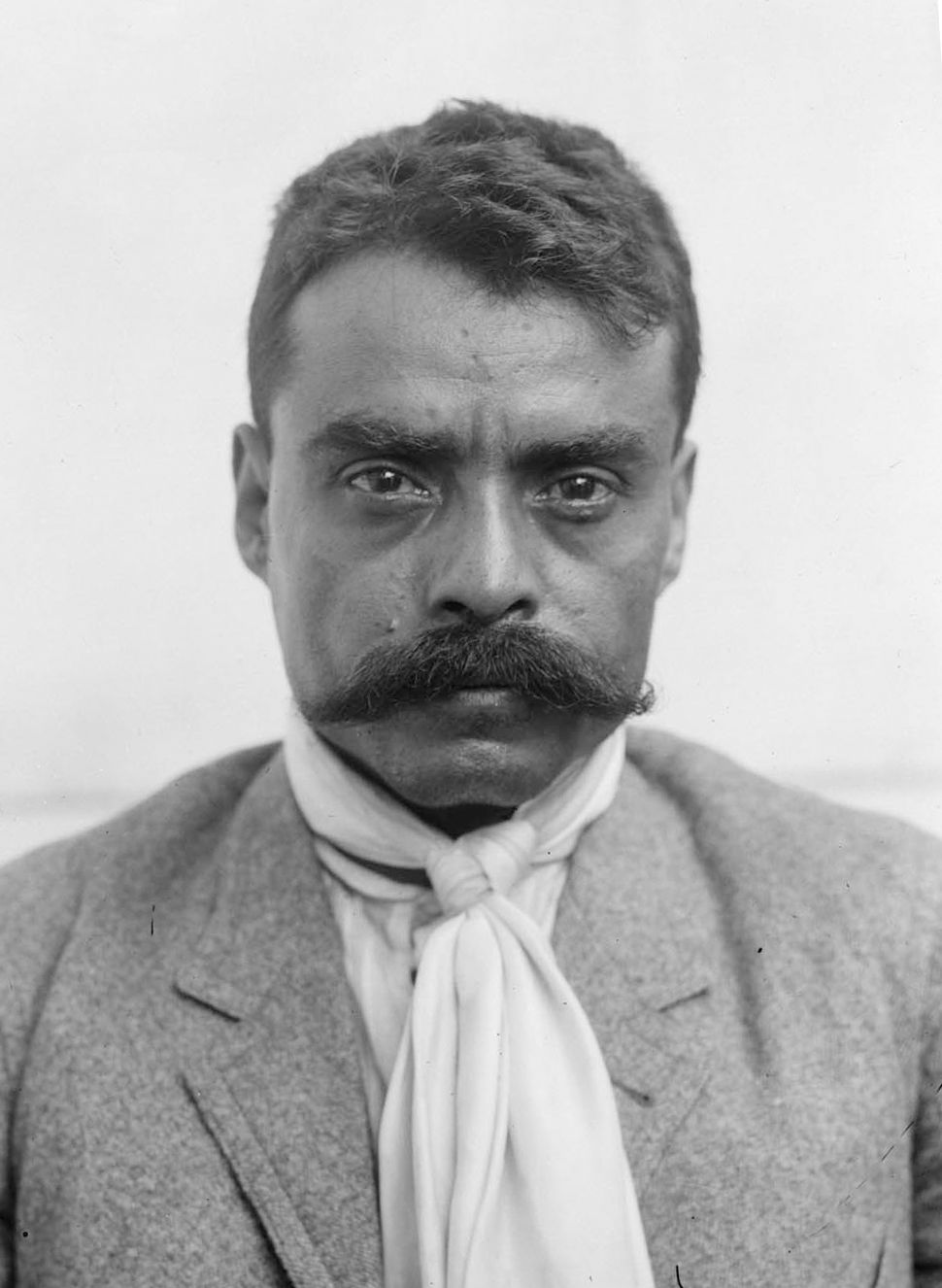
Emiliano Zapata, leader of the southern revolutionary army and champion of land reform. Agustín Casasola, Public domain, via Wikimedia Commons
studio / on-this-day / Nov 20