studio / on-this-day / Nov 22
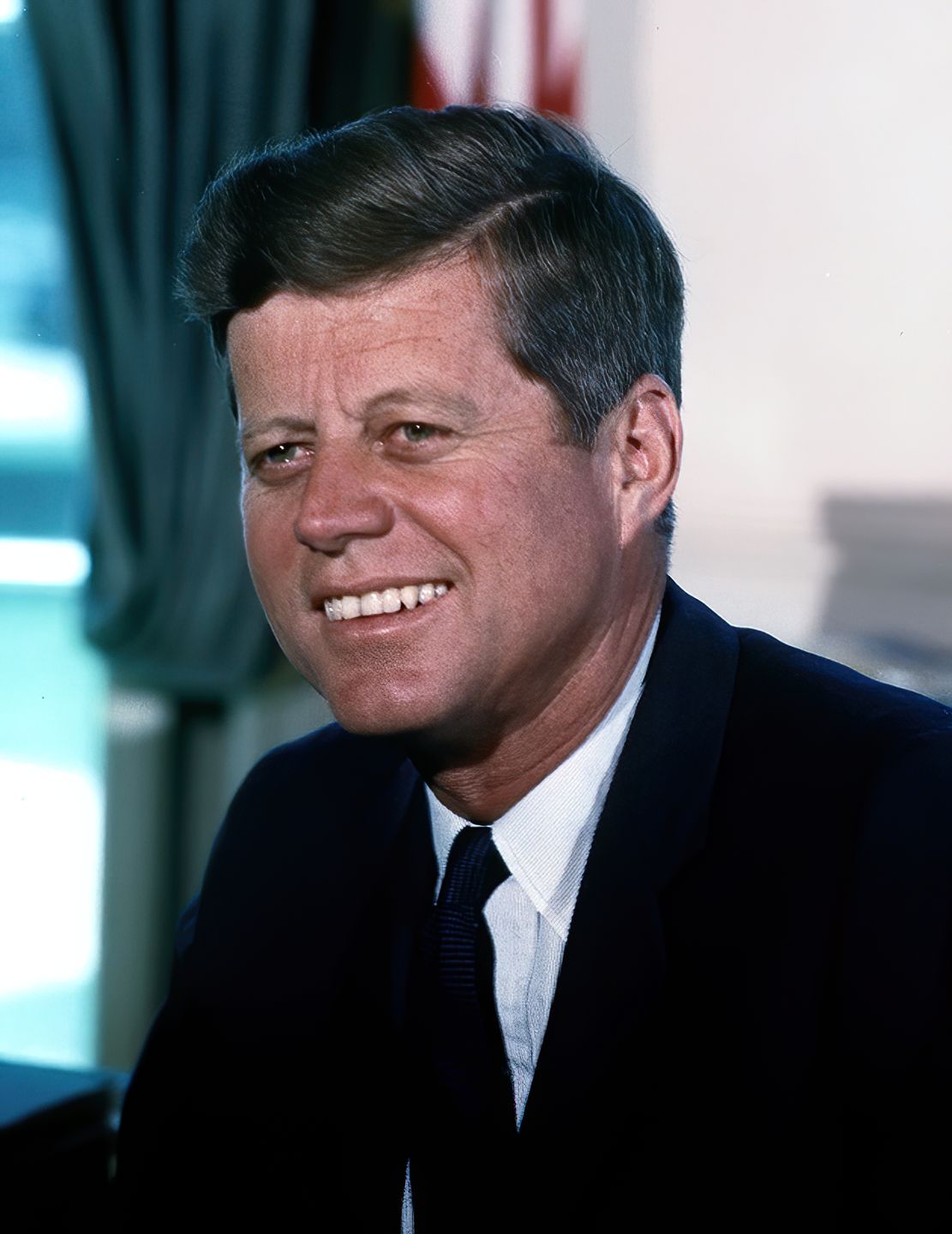
John f. Kennedy, official white house portrait, 1963. Cecil W. Stoughton, Public domain, via Wikimedia Commons
The Day the System Failed
On this day in 1963 — John F. Kennedy was assassinated, a national trauma that played out live, in real time, as a system failing.
3 min read
At 12:30 p.m. Central Standard Time on November 22, 1963, President John F. Kennedy was shot while riding in an open-top Lincoln Continental through Dealey Plaza in Dallas, Texas. He was pronounced dead 30 minutes later at Parkland Memorial Hospital. The official investigation concluded that Lee Harvey Oswald, firing from the sixth floor of the Texas School Book Depository, acted alone. Two days later, Oswald was killed on live television while in police custody. The entire sequence, from assassination to televised murder of the suspect, took 51 hours. It was a cascade failure of systems designed to protect, investigate, and maintain order.
The motorcade route had been published in advance. Kennedy rode in an open car through a city where threats against him had been documented. The Secret Service allowed buildings along the route to remain unsecured. Dealey Plaza was a textbook ambush site, with elevated positions on three sides and a sharp turn that forced the motorcade to slow almost to a stop. Every protocol designed to minimize risk was either ignored or inadequate. The system assumed cooperation. It assumed visibility. It assumed no one would exploit the gaps. The assumption was wrong.
The investigation that followed was as chaotic as the event itself. Evidence was mishandled. Witnesses gave conflicting accounts. The crime scene was not properly secured. Kennedy's body was removed from Dallas against Texas law, flown to Washington for an autopsy conducted by military pathologists with limited forensic training. Key evidence, including Kennedy's brain, later disappeared. The Dallas police paraded Oswald in front of reporters, creating a media circus that made secure transfer impossible. When nightclub owner Jack Ruby walked into the police basement and shot Oswald at point-blank range, it wasn't a breakdown of security. It was the logical conclusion of a system already in collapse.
The Warren Commission, established to investigate the assassination, delivered its report ten months later. It ran 888 pages and concluded that Oswald acted alone, that there was no conspiracy, that the system had failed in specific, identifiable ways but had not been fundamentally compromised. The report was thorough and inadequate at the same time. It answered questions by raising more. Skepticism was immediate and enduring. Within a few years, a majority of Americans believed there had been a conspiracy, though they disagreed on who was involved and why.
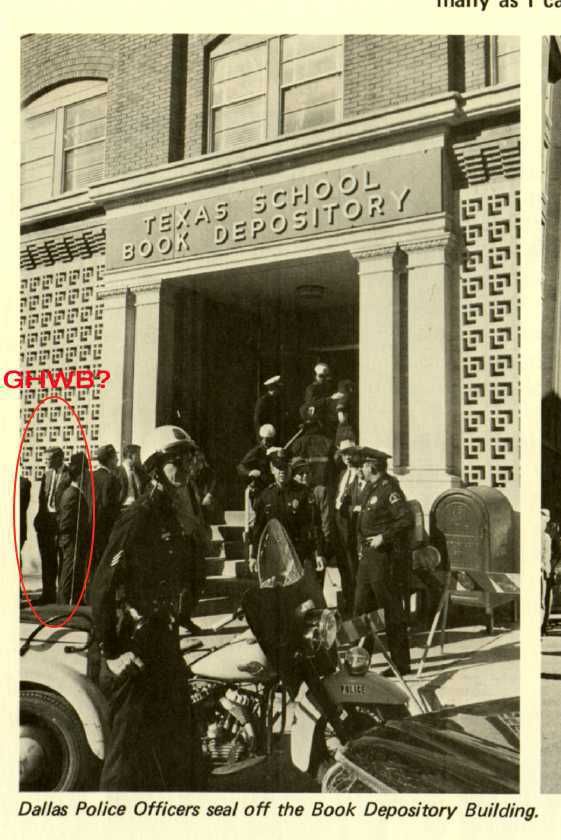
The Texas School Book Depository, Dallas, November 1963. Public domain, via Wikimedia Commons
The assassination changed the architecture of presidential security. The Secret Service expanded. Motorcade protocols were redesigned. Presidents stopped riding in open cars. Public appearances became controlled, staged, buffered by layers of screening and distance. The relationship between the presidency and the public shifted. Access was replaced by spectacle. Proximity became risk. The office was redesigned around the assumption that it would always be a target, that protection required isolation, that vulnerability was a design flaw to be engineered out of the system.
November 22, 1963, is remembered as the day Kennedy died, but it was also the day a particular kind of optimism died. The belief that leaders could move through crowds, that democracy required visibility, that security and openness were compatible. The motorcade through Dealey Plaza was designed to be seen. That was the point. Kennedy wanted to be visible, accessible, human. The system allowed it. The system failed. And in failing, it revealed something fundamental: that high-profile targets require high-security environments, that transparency has a cost, that exposure is not the same as connection. The day the system failed, it learned not to fail that way again.
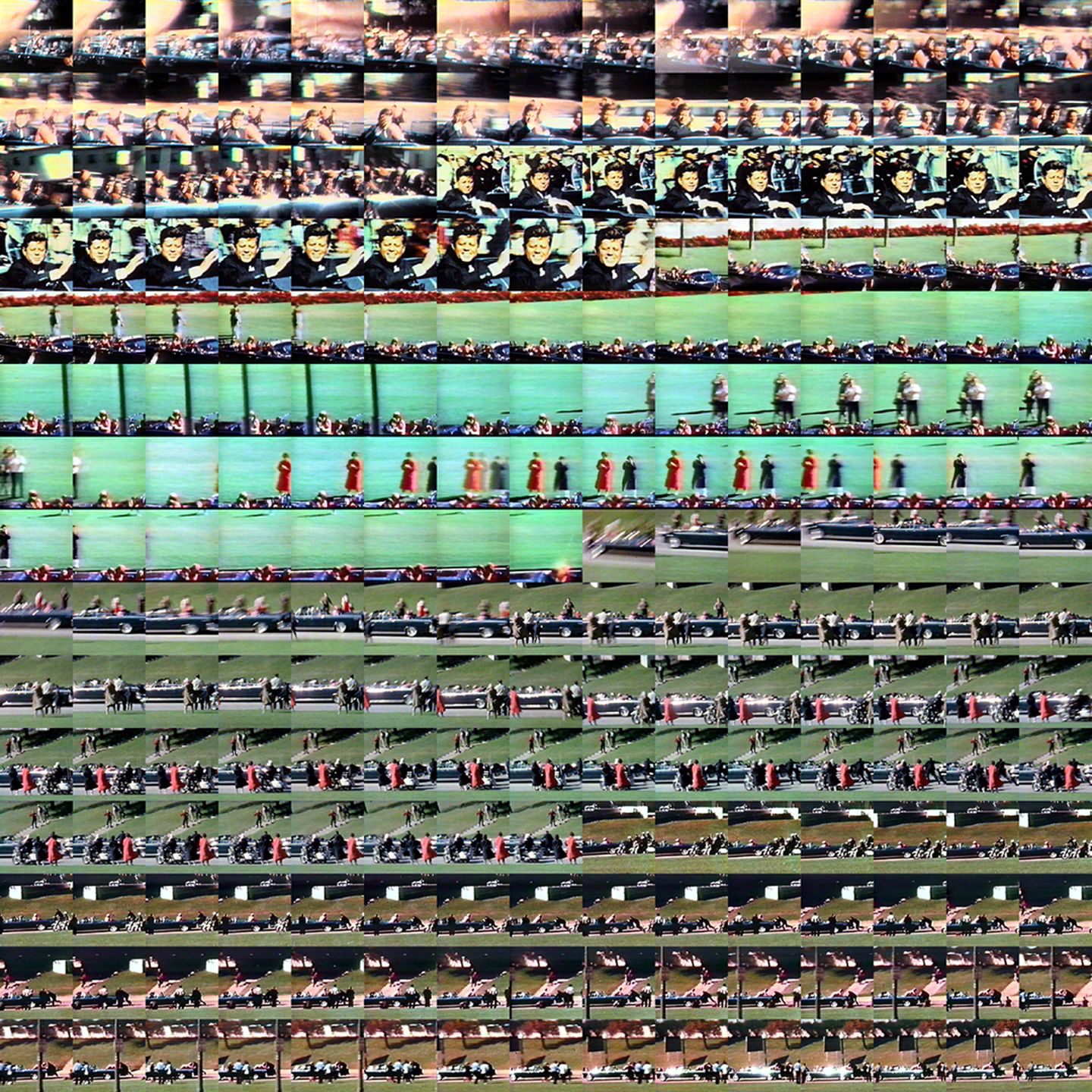
President Kennedy's motorcade in Dallas, November 22, 1963. Volker Hildebrandt, CC BY-SA 3.0, via Wikimedia Commons
studio / on-this-day / Nov 22