studio / on-this-day / Oct 8
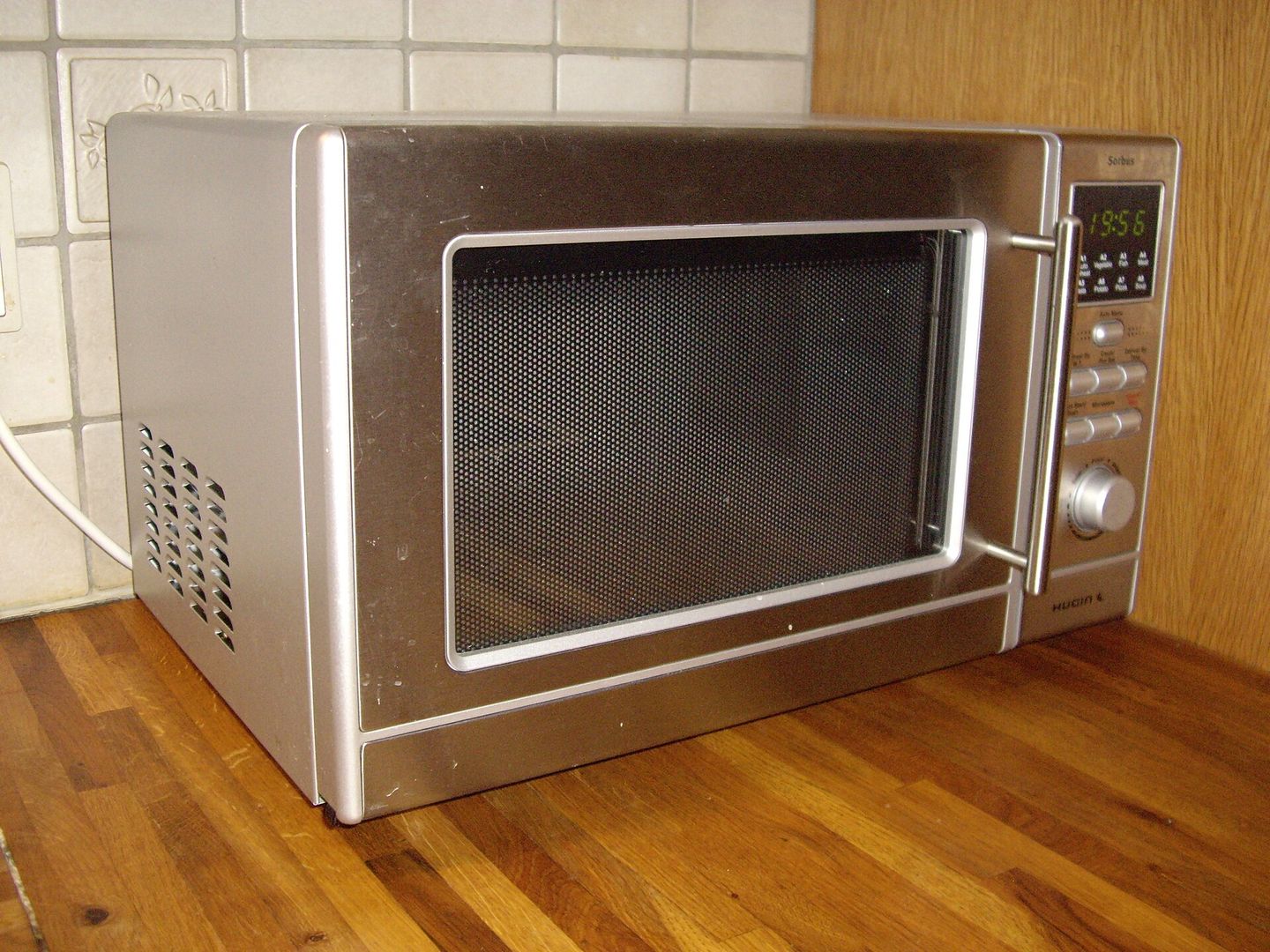
Microwave oven. Apoltix, CC BY-SA 3.0, via Wikimedia Commons
The Accidental Kitchen
On this day in 1945 — Percy Spencer filed the microwave-oven patent, after a chocolate bar melted in his pocket near a running magnetron.
3 min read
Percy Spencer was testing a magnetron, the vacuum tube that generates microwaves for radar systems, when he noticed something odd. The chocolate bar in his pocket had melted. It was October 8, 1945, and Spencer was an engineer at Raytheon, a defense contractor. The war had just ended, and the company was looking for peacetime applications for its military technology. Spencer had just found one, entirely by accident.
Spencer was curious, methodical, and largely self-taught. He had dropped out of school at age 12 to work in a mill. He learned about electricity by reading and experimenting, teaching himself enough to become an expert in radar technology. When his chocolate melted, he did not dismiss it as a fluke. He investigated. The next day, he brought popcorn kernels to the lab and held them near the magnetron. They popped. Then he tried an egg. It exploded, splattering a colleague who had leaned in too close.
The principle was simple. Microwaves are a form of electromagnetic radiation, similar to radio waves but at a higher frequency. When they pass through food, they cause water molecules to vibrate, generating heat from the inside out. This is fundamentally different from conventional cooking, which relies on external heat sources. The microwave oven does not cook food. It excites the molecules in the food until they cook themselves.
Raytheon filed a patent in 1945 and introduced the first commercial microwave oven in 1947. It was called the Radarange, stood nearly six feet tall, weighed 750 pounds, and cost $5,000. It was marketed to restaurants and industrial kitchens, not households. The technology was sound, but the product was impractical.
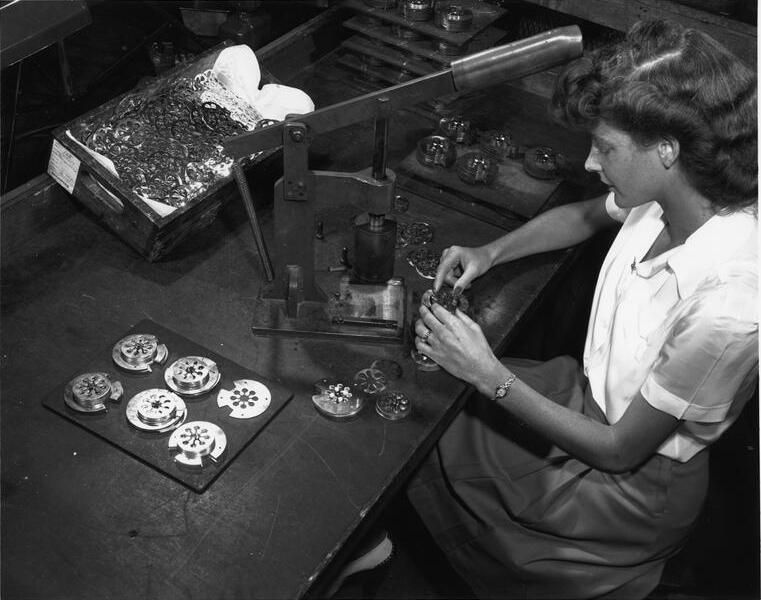
Percy Spencer, inventor of the microwave oven. Public domain, via Wikimedia Commons
It took decades for the microwave oven to become a household appliance. Engineers had to miniaturize the magnetron, reduce the cost, and convince consumers that cooking with radiation was safe. The first countertop model appeared in 1967. By the 1980s, microwave ovens were in over 75% of American homes. The device that began as a military technology had become a kitchen standard.
The microwave oven changed how people think about food preparation. It prioritized speed over technique, convenience over craft. You could heat a meal in minutes without understanding how cooking works. This was liberating for some, troubling for others. Critics argued that microwaves encouraged reliance on processed foods, undermining traditional cooking skills. Proponents countered that it democratized access to hot meals, especially for people with limited time or resources.
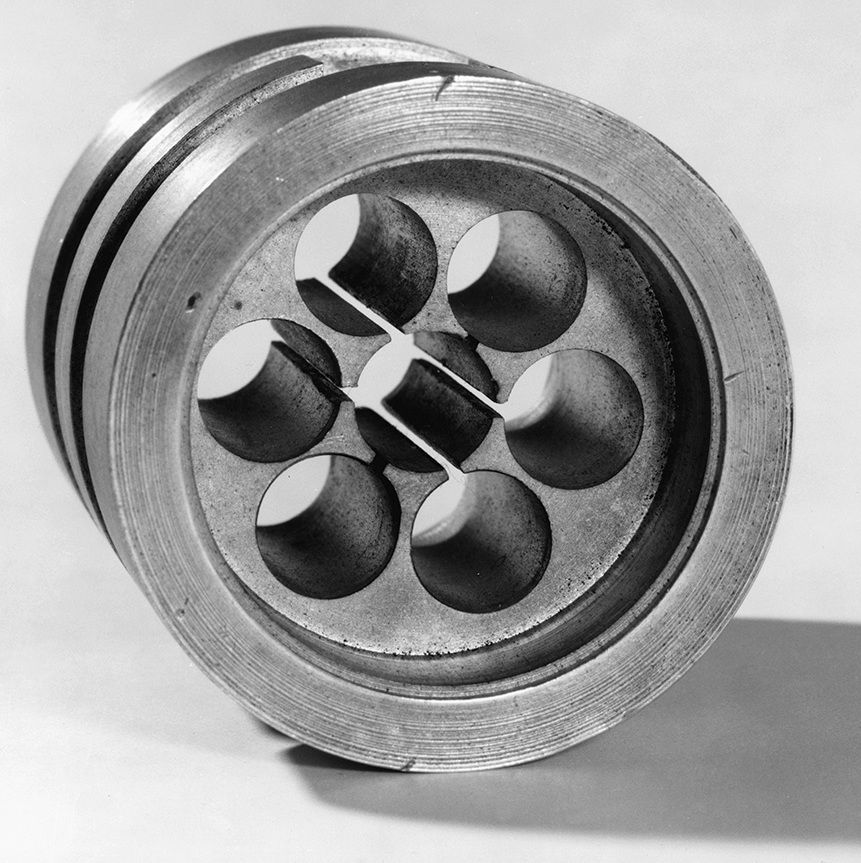
The original 1940 cavity magnetron, the tube that generates microwaves. Science Museum London / Science and Society Picture Library, CC BY-SA 2.0, via Wikimedia Commons
The microwave also illustrates a broader pattern in technological development. Military research produces tools designed for specific, often destructive purposes. Those tools are then repurposed for civilian use, sometimes in ways no one anticipated. Radar technology, developed to detect enemy aircraft, gave us the microwave oven. GPS, developed for missile guidance, gave us turn-by-turn navigation. The internet, developed to survive nuclear war, gave us everything else.
Spencer's chocolate bar was not the first accidental discovery that changed daily life. Charles Goodyear stumbled onto vulcanized rubber. Alexander Fleming discovered penicillin when mold contaminated a petri dish. The lesson is not that accidents drive innovation, but that prepared minds recognize significance in unexpected results. Spencer could have ignored the melted chocolate. Instead, he asked why.
Percy Spencer died in 1970, having earned over 300 patents during his career. The microwave oven is his most enduring legacy, a technology born from a moment of curiosity in a radar lab. October 8, 1945, is the day we learned that the same waves used to track bombers could also heat soup. The distance between war and peace, between destruction and nourishment, is sometimes just a matter of application. The technology is neutral. What matters is what we choose to do with it.
studio / on-this-day / Oct 8