studio / on-this-day / Jan 13
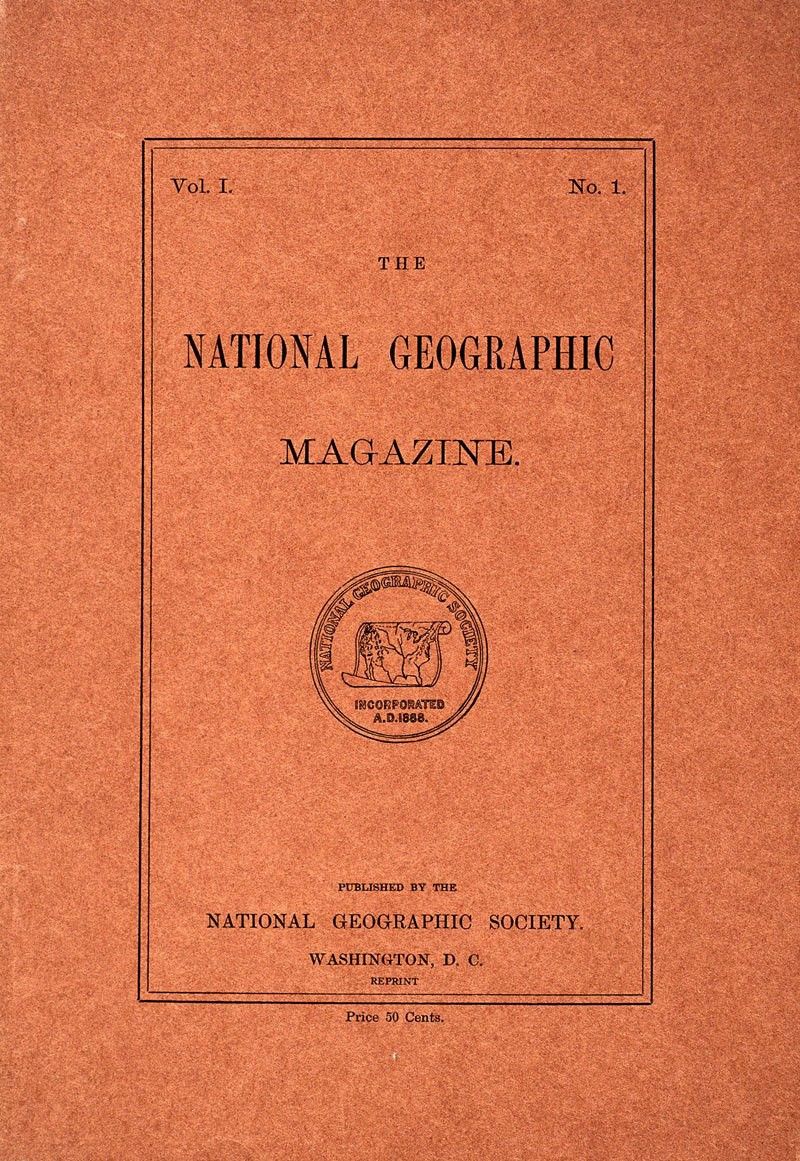
The first issue of National Geographic Magazine, October 1888. public domain, via Wikimedia Commons
The Business of Knowing the World
On this day in 1888 — thirty-three explorers and scientists founded the National Geographic Society, to map the world and give it away.
4 min read
On January 13, 1888, thirty-three men gathered in a private club near the White House to start an organization with an almost comically large ambition: to increase and diffuse geographic knowledge. They were explorers, mapmakers, naturalists, a lawyer, a weather scientist, and an inventor named Alexander Graham Bell. Two weeks later they incorporated as the National Geographic Society. The map of the world in 1888 still had blank spaces on it, and they meant to fill them in.
It is hard to remember now how unknown the world still was. The interiors of continents, the floor of the ocean, the poles, the high mountains, all were rumor and guesswork. Geography was not a settled school subject; it was a live frontier. The founders wanted to fund the people going out to measure it. But the second half of their mission was the radical part: not just to gather knowledge, but to diffuse it. To give it away. To make what the explorers found the property of ordinary people, not just academies.
Nine months later they published the first issue of National Geographic Magazine. It was a slim, brown, terminally dull technical journal, and it nearly killed the whole enterprise. Almost no one wanted to read dense articles about survey methods, and the Society was going broke. Then Bell's son-in-law, Gilbert Grosvenor, took over as editor and made a bet that sounds obvious now and was heresy then: fill the magazine with photographs, and write about the world in plain, human language, as if the reader were a person and not a committee.
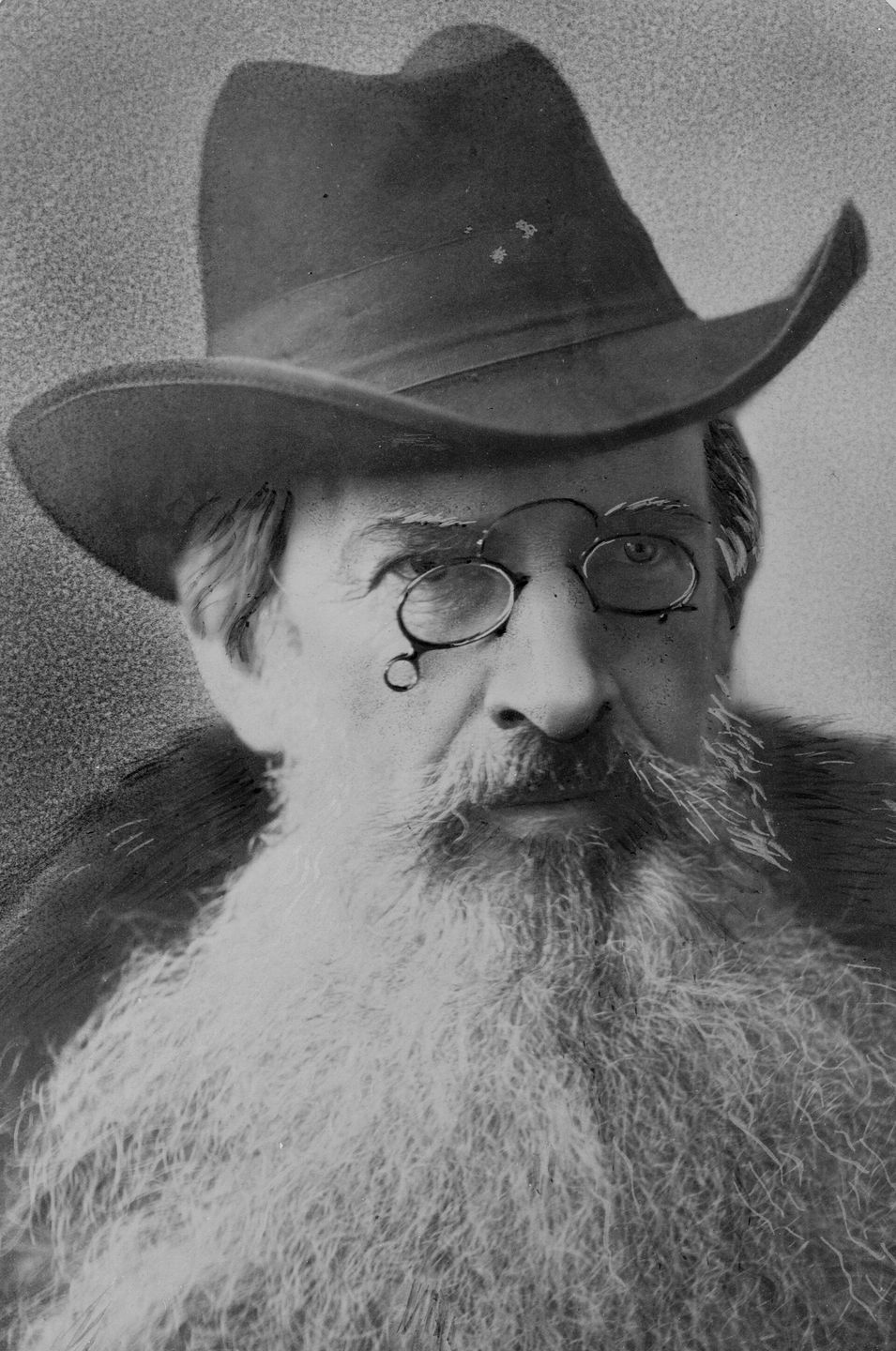
Gardiner Greene Hubbard, the Society's first president. Public domain, via Wikimedia Commons
It worked beyond anyone's expectations. The magazine became a window. It ran some of the first mass-audience natural-color photographs, the first aerial photographs, the first pictures from the bottom of the sea. For millions of people who would never leave their own county, a yellow-bordered magazine arriving in the mail was the closest thing to travel. The photograph was the interface. It made the far side of the planet feel real.
The Society became a patron of discovery. It helped fund Robert Peary toward the Arctic, Hiram Bingham to Machu Picchu, Jacques Cousteau under the ocean, Jane Goodall into the forest to sit with chimpanzees. For more than a century, when someone wanted to go somewhere no one had documented and bring back a record of it, there was a decent chance the little yellow rectangle was helping pay for it.
There is a harder side to this story, the same one that haunts the great museums. An institution that gathers and displays the world tends to do it from a single vantage point, and National Geographic spent decades framing other cultures as exotic scenery for a Western reader. The Society has since acknowledged as much, examining its own archive of romanticized and sometimes demeaning coverage. Diffusing knowledge, and deciding whose knowledge and how it gets shown, turn out to be two different problems.
But the founding principle has proven durable and strangely modern: gather the world rigorously, then make it beautiful and clear enough that people actually want to look. Every documentary, every explainer, every science channel that treats its audience as curious rather than expert is working from the template drawn up in that club on a January evening in 1888. Just as the British Museum turned knowledge into architecture, the National Geographic Society turned it into something you could hold in your hands and pass to a child.
studio / on-this-day / Jan 13