studio / on-this-day / Sep 6
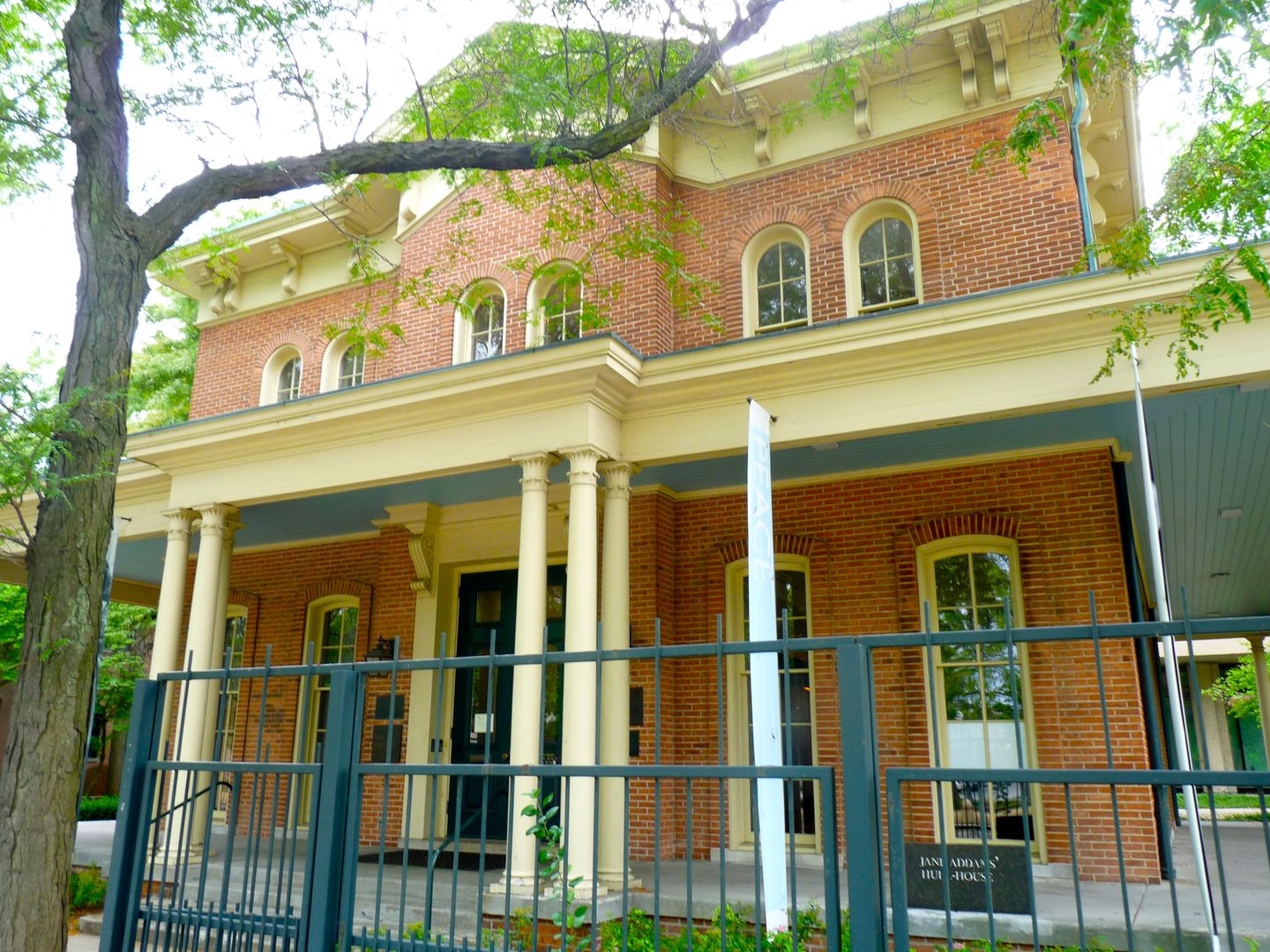
Hull House in Chicago. Yvphotos, CC BY-SA 3.0, via Wikimedia Commons
The House That Built a Movement
On this day in 1860 — Jane Addams was born, and would build Hull House and invent, in effect, the idea of social architecture.
3 min read
Jane Addams was born on September 6, 1860, in Cedarville, Illinois, into a world that did not expect much from women beyond marriage and motherhood. She would spend her life proving that world wrong. In 1889, at the age of 29, she co-founded Hull House, a settlement house in one of Chicago's poorest immigrant neighborhoods. It was not just a building. It was a prototype for how social services, education, and community organizing could be designed as a single integrated system. Hull House became the template for hundreds of similar institutions across America and helped create the modern concept of social work.
The idea came from a trip to London, where Addams visited Toynbee Hall, a settlement house where educated volunteers lived alongside the poor, offering services and learning from the community they served. Addams saw the potential immediately. Back in Chicago, she and her friend Ellen Gates Starr rented a rundown mansion on Halsted Street, in the middle of a neighborhood filled with Italian, Greek, Russian, and Polish immigrants working in factories and living in overcrowded tenements. The mansion had been built by a real estate developer named Charles Hull. It became Hull House.
What Addams built there was not charity in the traditional sense. Hull House offered kindergarten classes, art studios, a public kitchen, a coffeehouse, a gymnasium, a boarding house for working women, and a labor museum that celebrated the skills immigrants brought with them from their home countries. There were English classes, citizenship classes, and a theater group. The settlement employed social workers, teachers, and researchers who documented the conditions of the neighborhood and advocated for policy changes. Hull House was part school, part community center, part research lab, and part political organizing hub.
Addams believed that poverty was not a moral failing but a structural problem that required structural solutions. She fought for child labor laws, better housing codes, factory safety regulations, and women's suffrage. She did not just provide services to the poor. She worked to change the systems that kept them poor. Hull House residents conducted surveys, published reports, and testified before legislative committees. The work they did there informed the creation of the juvenile court system, the eight-hour workday, and worker's compensation laws. It was design thinking applied to social policy.
The settlement house model spread rapidly. By 1910, there were over 400 settlement houses in the United States, most of them inspired by Hull House. Addams became one of the most famous women in America, a public intellectual and reformer whose writings on democracy, peace, and social justice were widely read. In 1931, she was awarded the Nobel Peace Prize, the first American woman to receive it, in recognition of her work advocating for international peace and her efforts to improve conditions for the poor.
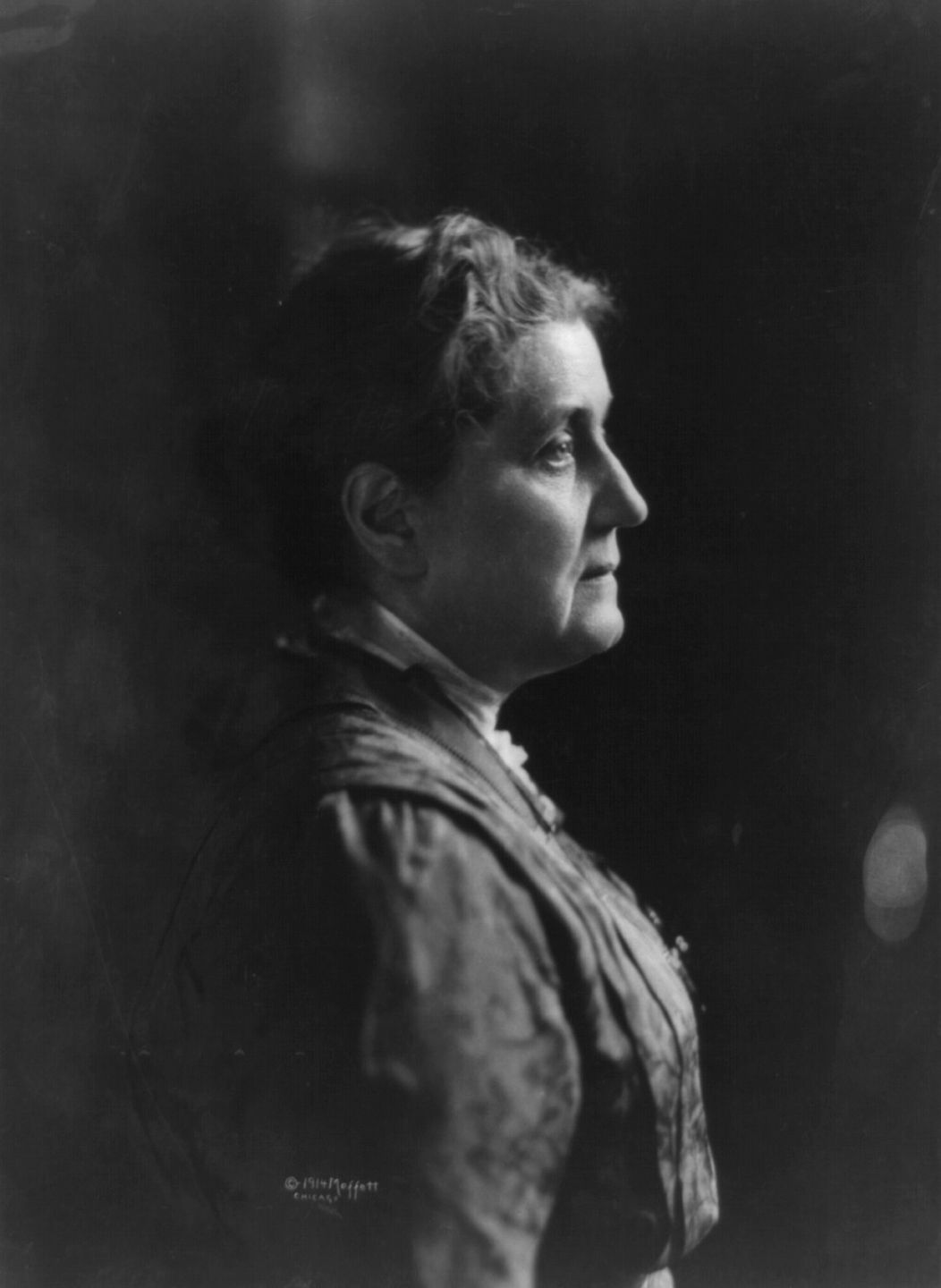
Jane Addams — the first American woman to win the Nobel Peace Prize, 1931. Moffett, Public domain, via Wikimedia Commons
But Hull House was always more than just Addams. It was home to an extraordinary network of women who would go on to shape American social policy. Florence Kelley, who became the chief factory inspector for Illinois and a leader in the fight against child labor. Julia Lathrop, who became the first head of the U.S. Children's Bureau. Alice Hamilton, who pioneered the field of occupational health. These were women who lived at Hull House, worked alongside immigrants and laborers, and then used what they learned to redesign public policy at the national level.
Hull House remained active until 2012, when it closed due to financial difficulties. By then, the neighborhood had changed. The immigrant communities it once served had moved on, replaced by university expansion and gentrification. The original mansion and dining hall still stand as a museum, preserved as a reminder of what Addams and her collaborators built. But the real legacy is not the building. It is the idea that social problems require designed solutions, that reform is not about charity but about changing systems, and that the people closest to the problem often have the best insights into how to solve it.
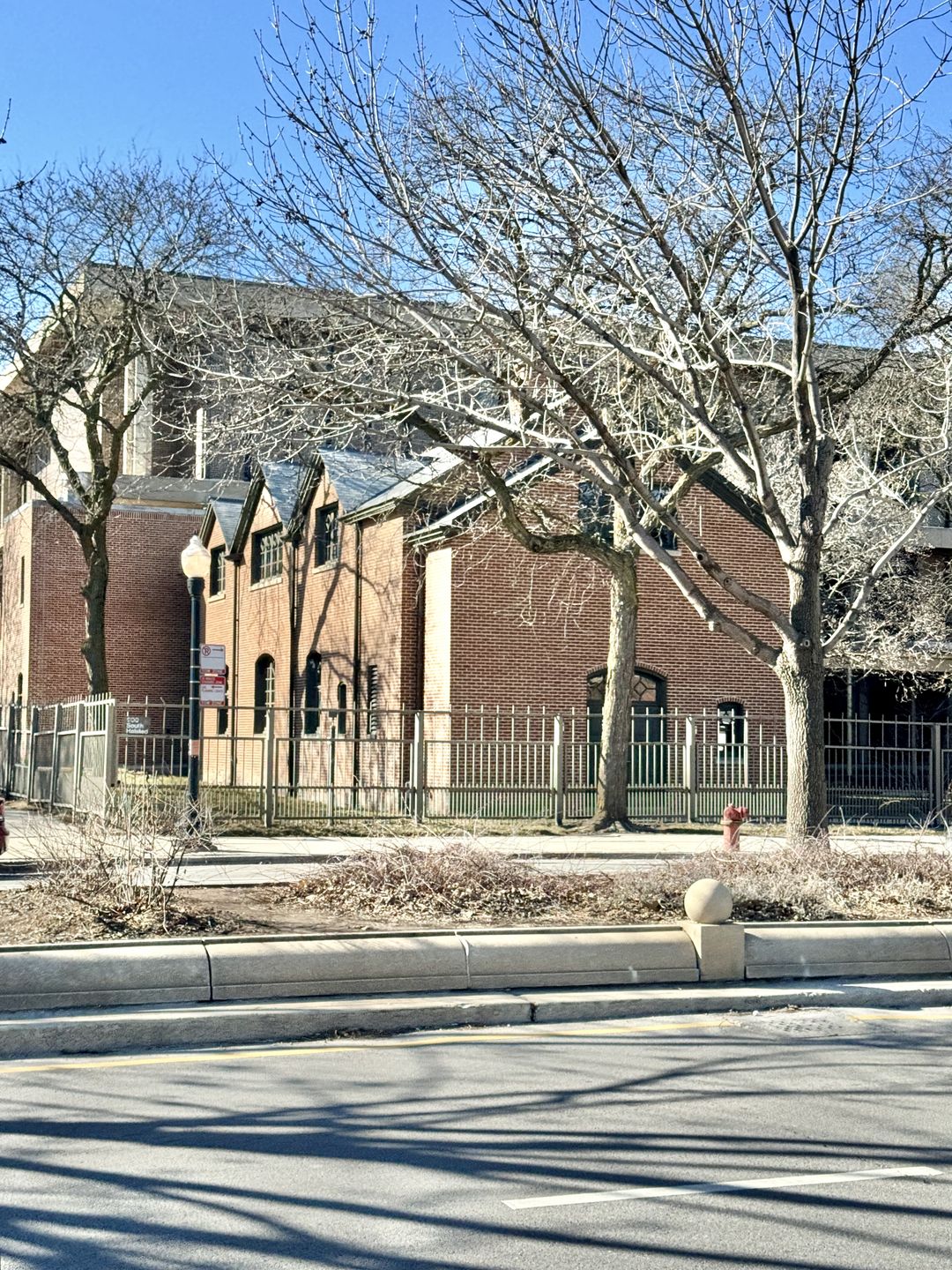
The Hull House dining Hall on Halsted Street, preserved today as a museum. W_lemay, CC BY-SA 2.0, via Wikimedia Commons
Jane Addams died in 1935, at the age of 74. She had spent nearly half a century turning a single house into a movement. Hull House was her masterpiece, a proof of concept that architecture could be more than buildings, that design could extend to how communities function, how people are educated, and how society treats its most vulnerable members. It was social architecture in the truest sense: a built environment designed not just for shelter but for transformation.
studio / on-this-day / Sep 6