studio / on-this-day / Sep 3
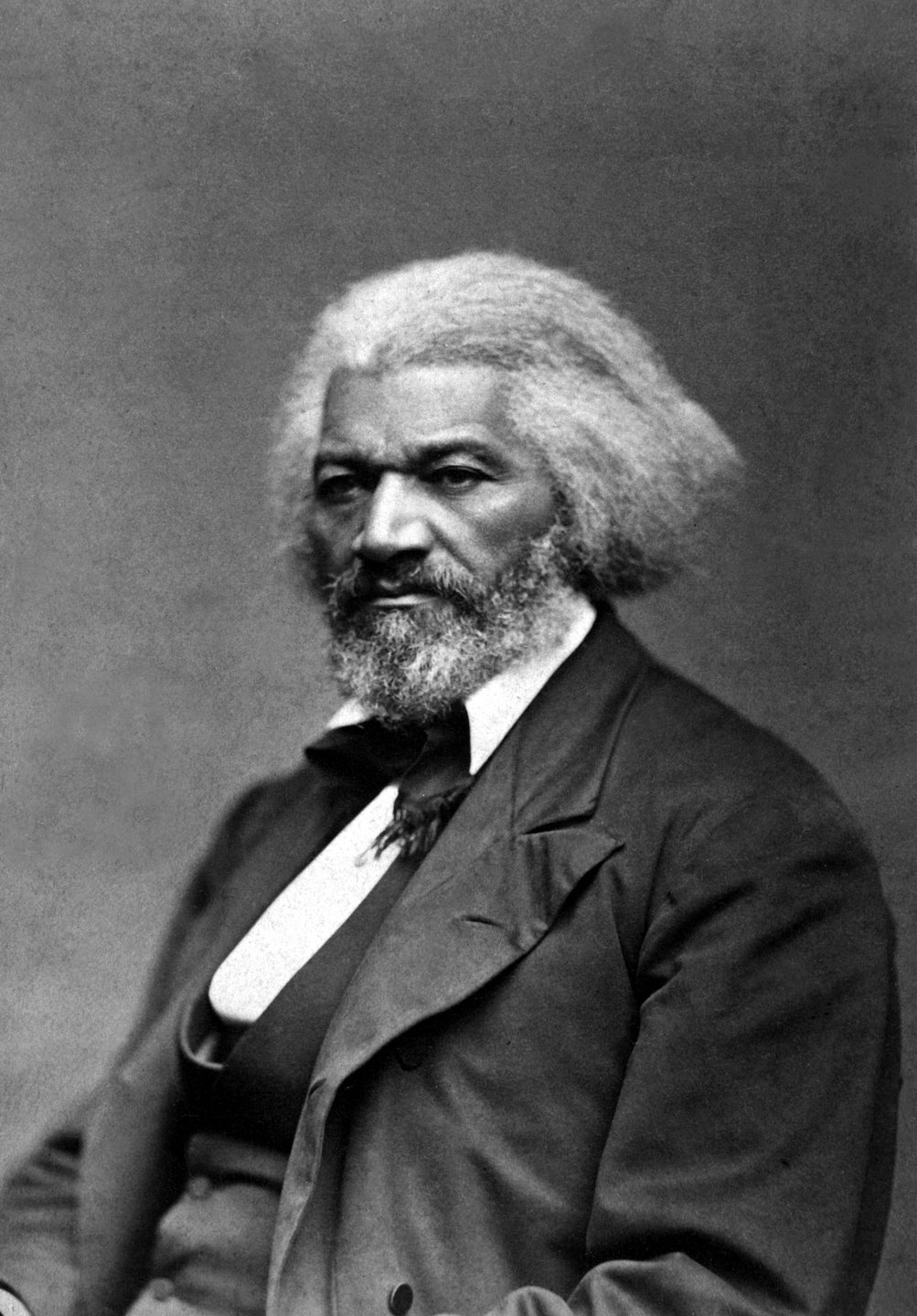
Frederick Douglass, c. 1879. Public domain, via Wikimedia Commons
The Most Photographed Man in America
On this day in 1838 — Frederick Douglass boarded a train dressed as a free sailor and escaped slavery. He became the great abolitionist orator — and, deliberately, the most photographed American of the nineteenth century.
3 min read
He was born into slavery in Maryland around 1818 as Frederick Bailey, and on September 3, 1838, at about twenty, he made himself free. The plan was a piece of quiet engineering. He dressed as a free Black sailor — he had learned the talk and manner on the Baltimore waterfront — and carried "seaman’s protection papers" borrowed from a free Black mariner. He boarded a northbound train, bluffed his way past a conductor who barely glanced at papers describing a man who looked nothing like him, and in less than a day reached New York a free man. He took a new surname: Douglass.
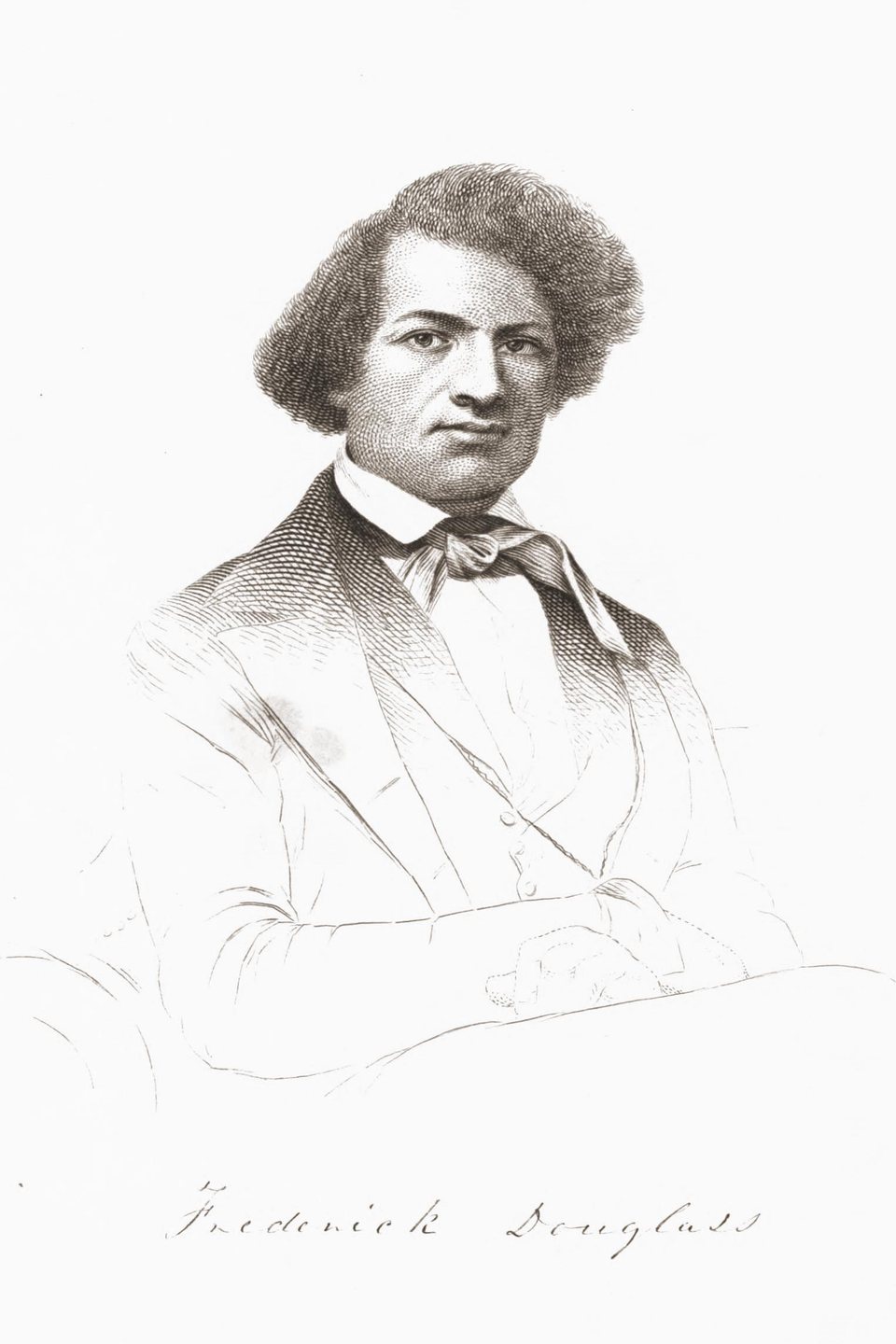
The frontispiece portrait from Douglass's Narrative, 1845. Public domain, via Wikimedia Commons
He became the movement’s greatest voice. His eloquence was itself an argument — audiences could not square his brilliance with the lie that people like him were less than human. His memoir, the "Narrative of the Life of Frederick Douglass" (1845), was so specific and so widely read that it put him in danger of recapture; he sailed to Britain until supporters there purchased his freedom outright. He came home, founded the abolitionist newspaper The North Star, worked alongside a movement that included Harriet Tubman, later advised President Lincoln, and lived to become a revered statesman.
And he did something almost no one else of his era thought to do: he took control of his own picture. Douglass sat for his portrait constantly — at least a hundred and sixty times, more often than Abraham Lincoln, making him the most photographed American of the nineteenth century. It was strategy. Photography was a new technology, and for Black subjects its dominant use was the racist caricature. Douglass understood that a dignified, serious, unsmiling photograph of a Black man was, by itself, an argument. He almost never smiled for the camera, precisely because a smile could be read into the minstrel stereotype he was fighting.
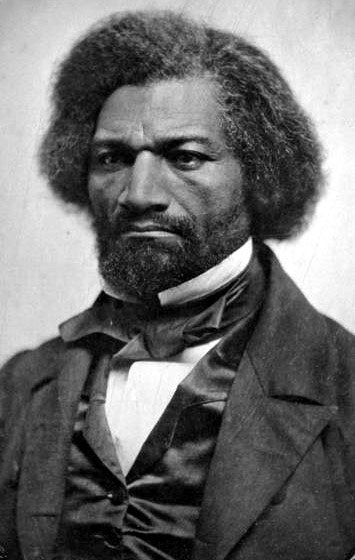
Frederick Douglass, ambrotype, 1856. Public domain, via Wikimedia Commons
He even lectured and wrote on photography as an idea, arguing that the camera was a democratizing force — that it could let ordinary people, including the formerly enslaved, be seen as fully human, on their own terms. He grasped, a century ahead of everyone, that whoever controls the image controls a piece of the truth.
Frederick Douglass died on February 20, 1895. His life is framed by two acts of deliberate self-design: he escaped bondage by dressing as a free man, and he defended freedom by carefully composing how he — and, through him, his people — would be seen. He understood that identity and image are made things, and that a new medium, used on purpose, could change how a nation saw an entire people. He didn’t only argue for dignity. He engineered its picture.
studio / on-this-day / Sep 3