studio / on-this-day / Aug 16
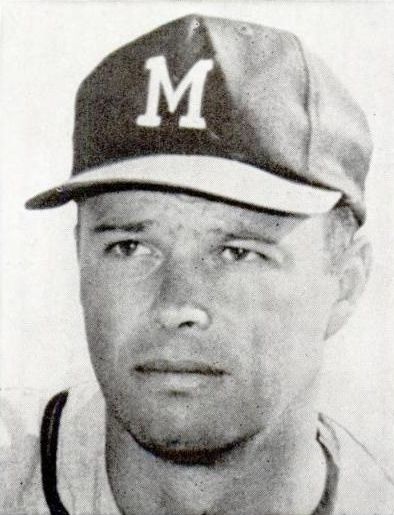
Eddie Mathews of the Milwaukee Braves, whose mid-swing photograph appeared on the cover of Sports Illustrated's inaugural issue on August 16, 1954. Public domain, via Wikimedia Commons
The Magazine That Made Athletes Into Icons
On this day in 1954 — Sports Illustrated published its first issue, treating athletics and photography as a single design discipline.
3 min read
On August 16, 1954, Time Inc. launched Sports Illustrated with a cover featuring Milwaukee Braves third baseman Eddie Mathews mid-swing. The magazine's first issue landed at newsstands across America with 575,000 copies and a sense of possibility that sports deserved the same visual treatment as high fashion and photojournalism. What began as an expensive gamble would not turn a profit for twelve years, but it would fundamentally change how we see athletics.
The idea was simple but radical. Sports had been covered in newspapers with cramped columns and grainy wire photos. Sports Illustrated proposed something different: treat the game as visual narrative. Use photographers who understood light and motion. Design spreads that made you feel the tension of a championship moment. Give athletes the same care that Life magazine gave to world leaders and movie stars.
Publisher Henry Luce bet that America's growing obsession with sports could support a weekly magazine built on long-form storytelling and exceptional photography. The country was suburbanizing. Television was bringing games into living rooms. Professional sports leagues were expanding. Leisure time was becoming a design problem, and Americans were choosing to spend it watching other people compete.
The first issue set the tone. It featured stories on baseball, sailing, and college football alongside pieces on fishing and sports car racing. The writing was serious without being stiff. The photography was crisp, capturing not just the action but the geometry of movement. A double-truck spread of a yacht cutting through water looked like abstract art. A photo essay on water skiing turned recreation into choreography.
What made Sports Illustrated work was its understanding that sports are designed systems. Rules, strategy, equipment, training methods, all of it is engineered for performance. The magazine treated athletes as practitioners of physical design, solving problems of leverage, timing, and spatial awareness in real time. A quarterback reading a defense is running a visual algorithm. A pole vaulter is calculating physics with muscle memory.
The magazine also understood branding before branding was ubiquitous. The swimsuit issue, which began in 1964, became a cultural event that transcended sports entirely. The annual "Sportsman of the Year" award turned athletic achievement into narrative arc. Even the cover itself became iconic, a red border that signaled authority. To appear on the cover of Sports Illustrated meant you had arrived. To appear on it twice meant you were a legend.
Sports Illustrated was not profitable for over a decade because it was doing something new. It was selling not just coverage but perspective. The magazine spent money on photographers who could capture the split-second where a runner's foot leaves the track. It hired writers who understood that a baseball game could be a meditation on failure or a study in statistical probability. It designed layouts that made you want to frame the pages.

A Sports photographer capturing the decisive moment — Sports Illustrated's innovation was treating athletic photography with the same seriousness as photojournalism. Zach Catanzareti Photo, CC BY 2.0, via Wikimedia Commons
By the 1970s, the magazine had become essential reading for anyone who cared about sports. Frank Deford's profiles read like novellas. The photography set standards that television struggled to match. The magazine covered not just winners but the culture around competition, from the politics of the Olympics to the business of college athletics. It took sports seriously as both entertainment and social force.
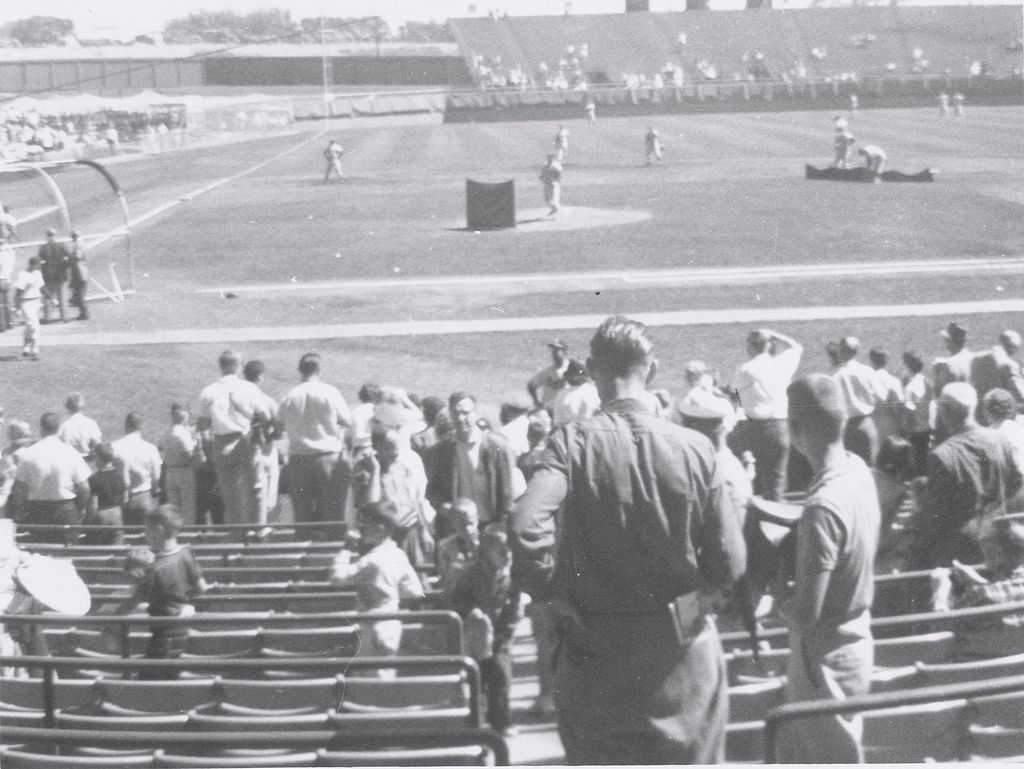
The Milwaukee Braves at County Stadium — the team whose third baseman Eddie Mathews appeared on the first Sports Illustrated cover in 1954. grandfather of Robert Jahnke, CC BY 2.0, via Wikimedia Commons
What Sports Illustrated proved is that any subject, treated with design intelligence, can become compelling. Athletics are rich material because they combine physical mastery, strategic thinking, and human drama. The magazine recognized that before anyone else did at scale. It showed that the best way to cover something is to make the coverage as thoughtfully constructed as the thing itself.
studio / on-this-day / Aug 16