studio / on-this-day / Jul 24
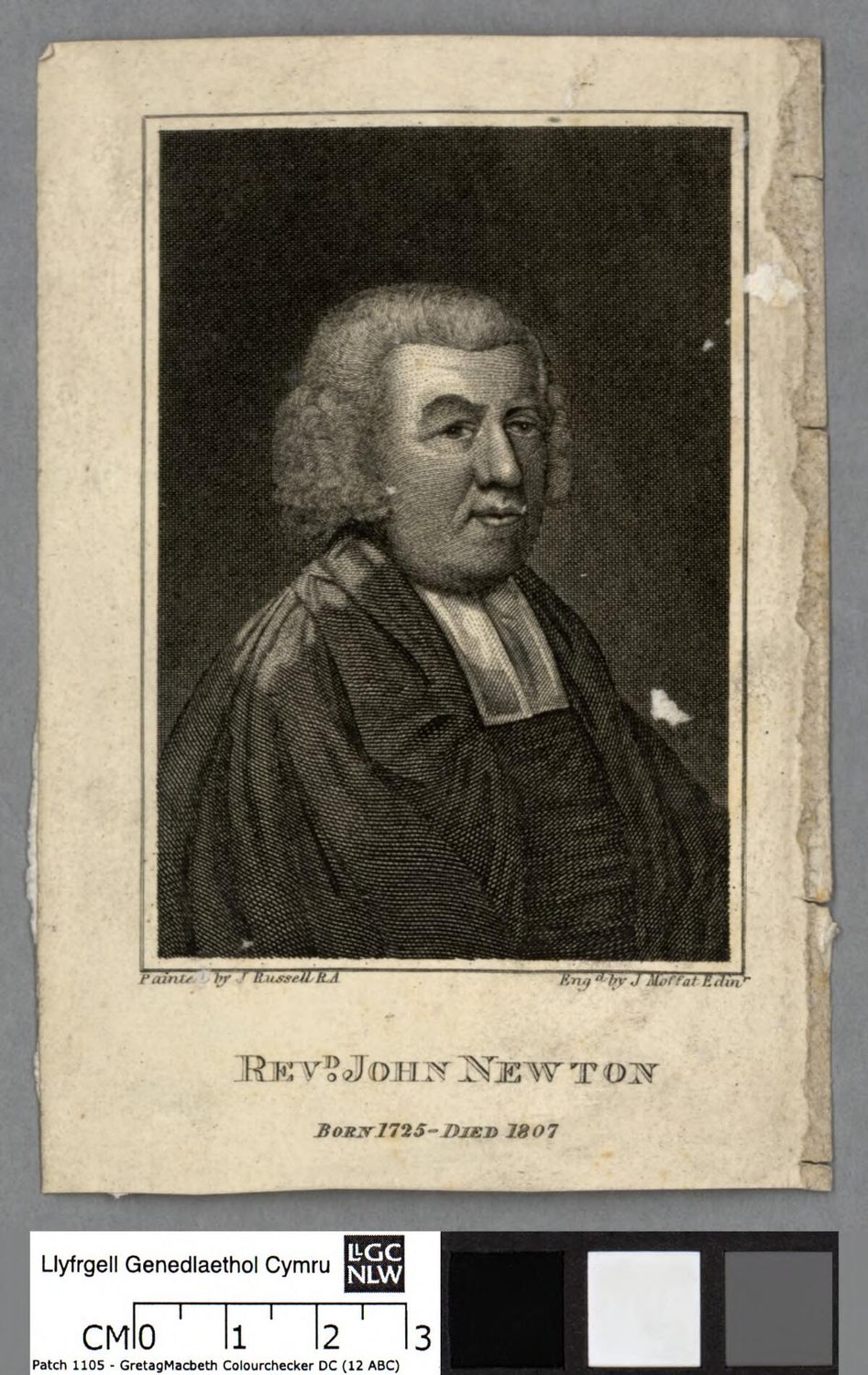
John Newton, the former slave trader who renounced the trade and wrote Amazing Grace. Public domain, via Wikimedia Commons
The Slave Trader Who Wrote Amazing Grace
On this day in 1725 — John Newton was born, a slave trader who survived a storm, questioned everything, and later wrote Amazing Grace.
3 min read
John Newton was born in London on July 24, 1725, to a merchant sea captain and a devout Christian mother. His mother died when he was six. His father sent him to sea at eleven. By his twenties, Newton was working in the slave trade, commanding ships that transported enslaved Africans across the Atlantic. He saw them as cargo. He logged their deaths in ledgers. He profited from their suffering for years before it occurred to him that something was wrong.
In March 1748, Newton's ship encountered a violent storm off the coast of Newfoundland. Waves tore through the vessel, ripping apart the hull. Newton expected to die. Instead, the ship stayed afloat long enough to reach port. He later described the survival as a miracle, the moment his life changed. But the change was slow. He continued working in the slave trade for another six years. Conversion is not instant redesign. It is a gradual recognition that the system you inhabit is broken and that you helped build it.
Newton eventually left the sea and became an Anglican minister. He was ordained in 1764 and took a position in Olney, a small town in Buckinghamshire. There, he worked with poet William Cowper to write hymns for the congregation. Newton wrote the words to what would become "Amazing Grace" in 1772. It was not titled that at the time. It was just one hymn among many, printed in a collection called "Olney Hymns." The text was simple, direct, personal. It described a wretch saved by grace, someone blind who now could see.
The hymn did not become famous immediately. It spread slowly, moving through churches and revivals, particularly in America. It was adapted to different melodies over the years. The tune most people know today, "New Britain," was paired with Newton's words in the 1830s. The combination stuck. The hymn worked because it was modular. You could sing it to almost any melody. You could adapt it to any context. It was designed, intentionally or not, to be portable.

The Olney Hymns collection, 1779, containing the first published text of Amazing Grace. Newton, John; Cowper, William, Public domain, via Wikimedia Commons
Newton's relationship with slavery remained complicated. He left the trade, but he did not immediately denounce it. He preached about sin and redemption in abstract terms while staying silent on the specific sin that had funded his earlier life. It took him decades to speak publicly against slavery. In 1788, he published a pamphlet titled "Thoughts Upon the Slave Trade," in which he described the horrors he had witnessed and participated in. He called it a national sin. He supported abolition. By then, he was in his sixties.
The delay matters. Newton did not have a sudden moral awakening and immediately work to dismantle the system he had served. He benefited from that system, left it, became comfortable, and only later used his position to argue against it. This is not the arc of a saint. It is the arc of someone who designed part of his own prison and took years to recognize the bars. Redemption is not a single moment. It is a long process of undoing harm, and it is never complete.
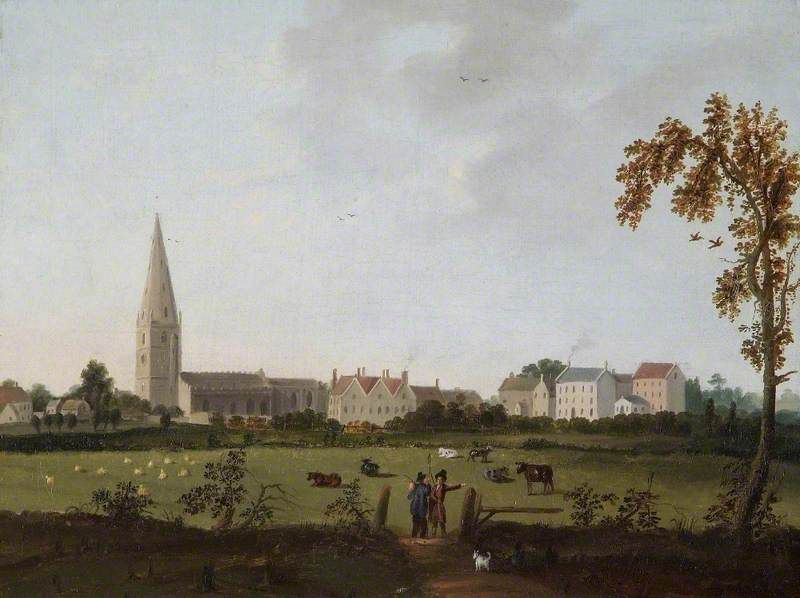
Olney church, where Newton ministered and wrote the words to Amazing Grace. James Andrews, Public domain, via Wikimedia Commons
"Amazing Grace" outlived Newton by centuries. It has been sung at protests, funerals, and churches. It was performed at the memorial for the victims of 9/11. It was sung during the civil rights movement by people whose ancestors Newton might have trafficked. The hymn became larger than its author, adaptable to contexts he could not have imagined. This is what happens when language is designed well. It escapes its origin. It belongs to whoever sings it.
Newton died in 1807, the same year Britain abolished the slave trade. He lived long enough to see the system he had served begin to collapse. His epitaph, which he wrote himself, reads in part: "John Newton, Clerk, once an infidel and libertine, a servant of slaves in Africa, was, by the rich mercy of our Lord and Saviour Jesus Christ, preserved, restored, pardoned, and appointed to preach the faith he had long laboured to destroy."
The hymn he wrote is not an excuse. It is not absolution. It is a description of a process: blindness to sight, lostness to found. The process is real. The question is whether recognizing your own wretchedness is enough, or whether you are required to spend the rest of your life dismantling the systems that made you wretched in the first place. Newton tried, late. Whether it was enough is not for him to say. It is for the people who survived what he helped build.
studio / on-this-day / Jul 24