studio / on-this-day / Jul 14
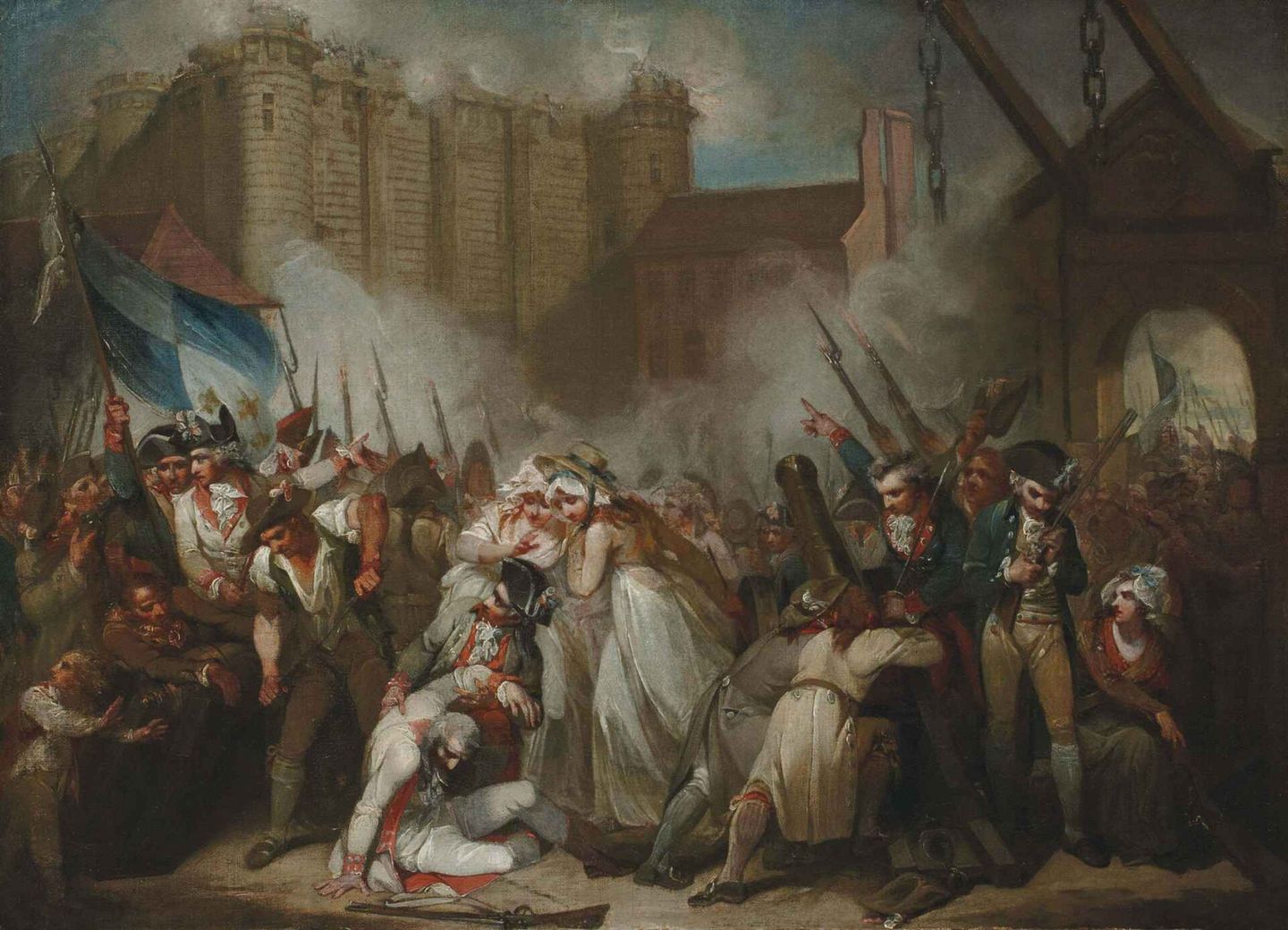
The storming of the Bastille, painted by henry singleton. Henry Singleton, Public domain, via Wikimedia Commons
Systems Redesign by Force
On this day in 1789 — the Bastille was stormed, revolution being the most violent way there is to redesign a system from the bottom up.
3 min read
On the morning of July 14, 1789, a crowd of Parisians marched on the Bastille, a medieval fortress used as a prison and armory in the heart of Paris. They were looking for gunpowder. Tensions in the city had been building for months. Bread prices were soaring, the king had dismissed his finance minister, and rumors spread that troops were massing to crush dissent. The Bastille held fewer than ten prisoners at the time, but it was a symbol of royal authority, and the crowd wanted it opened. When negotiations failed, they attacked. By late afternoon, the fortress had fallen. The governor and several guards were killed. The French Revolution had begun.
What happened at the Bastille was not planned. There was no blueprint, no manifesto handed out the night before. It was a spontaneous convergence of anger, fear, and opportunity. But what followed was deliberate. Within weeks, the revolutionaries had begun dismantling the old system piece by piece. Feudal privileges were abolished. The Declaration of the Rights of Man was drafted. New institutions were designed to replace the monarchy. The revolution was chaotic and often brutal, but it was also a design project, an attempt to rebuild society from first principles.
Revolutions are what happens when incremental change fails. Systems accumulate inefficiencies, contradictions, and injustices until the pressure becomes unbearable. In France, the monarchy was bankrupt, the nobility was exempt from taxes, and the common people were starving. The system was not broken in the sense that it had stopped functioning. It was broken in the sense that it no longer served the majority of people within it. When reform becomes impossible, replacement becomes inevitable.
The French Revolution did not invent the idea of redesigning society. Revolutions in England and America had already challenged the divine right of kings. But the French took it further. They did not just replace the king with a parliament. They tried to replace everything: the calendar, the religion, the units of measurement. They renamed the months, redefined the week as ten days, and reset the year to zero. They wanted to start over completely, to build a rational society from scratch, free of tradition and superstition. Most of it did not last, but the ambition was extraordinary.
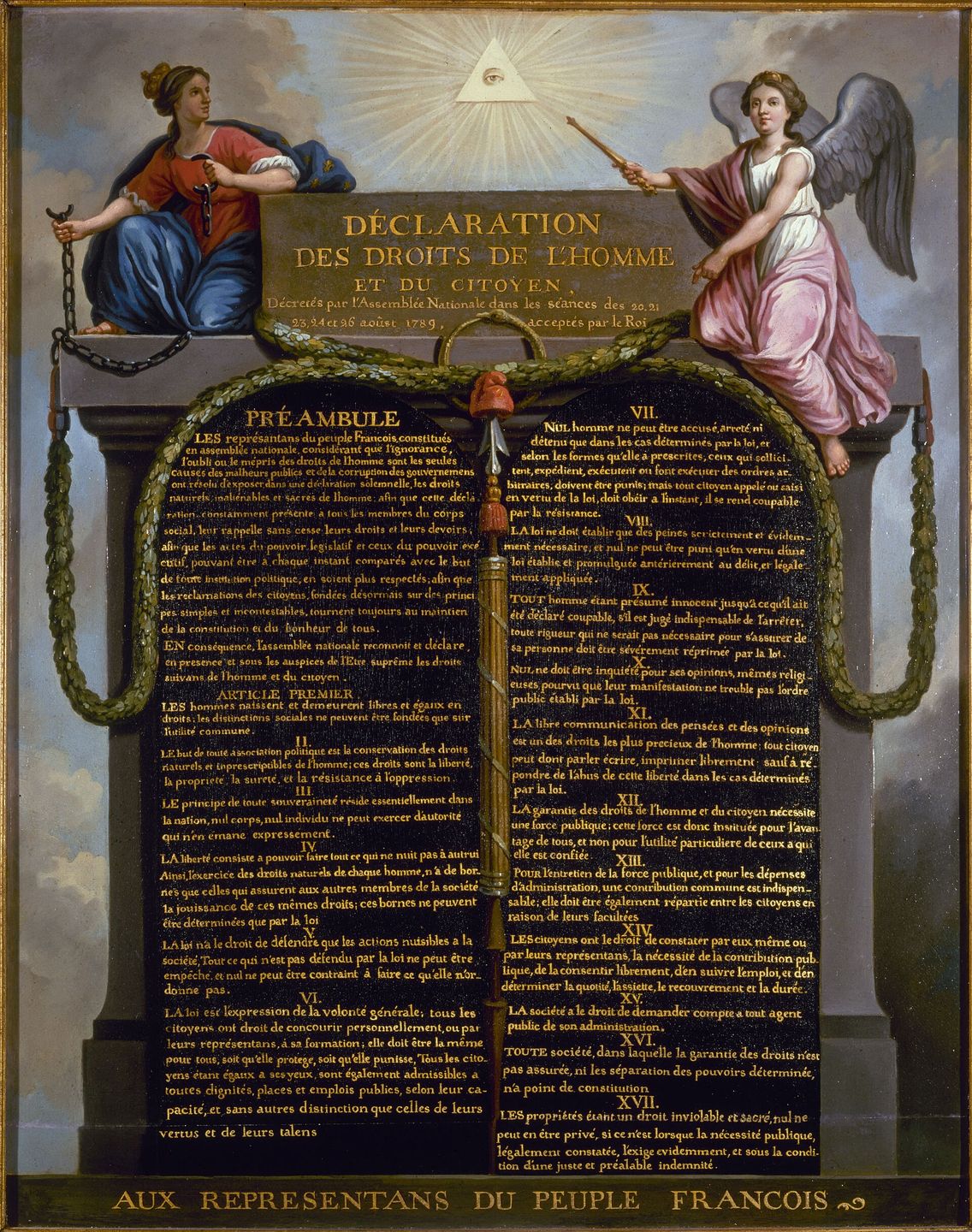
The Declaration of the Rights of Man and of the citizen, 1789. Public domain, via Wikimedia Commons
The revolution also revealed the limits of top-down redesign. The new systems were imposed by force and maintained through terror. Tens of thousands were executed during the Reign of Terror. The revolutionaries turned on each other. The ideals of liberty and equality were weaponized to justify mass violence. What began as an attempt to create a more just society devolved into authoritarianism and, eventually, the dictatorship of Napoleon. The redesign succeeded in destroying the old system but struggled to replace it with something stable.
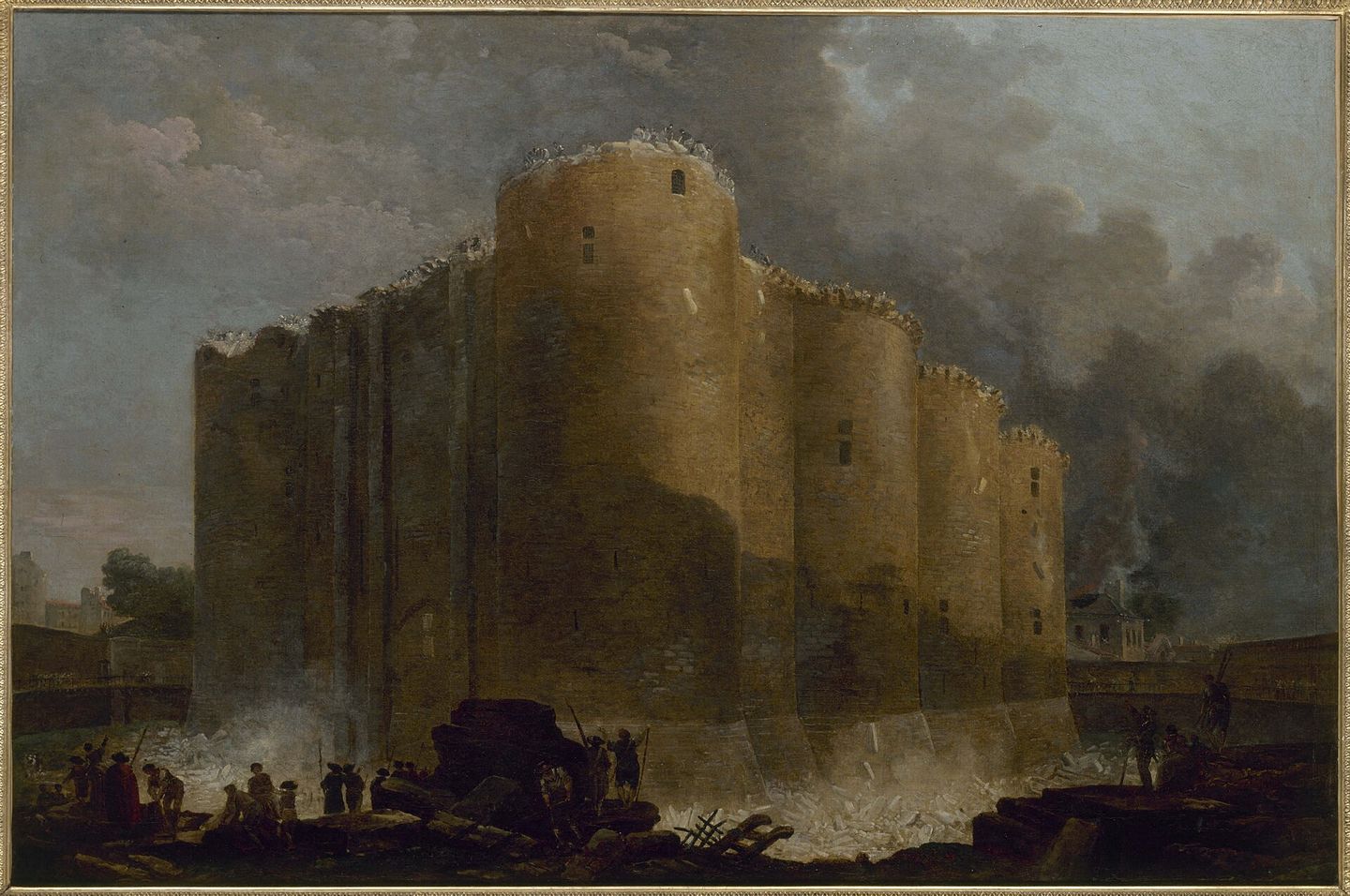
The Bastille in the first days of its demolition, painted by hubert robert, 1789. Public domain, via Wikimedia Commons
Still, the ideas that emerged from the revolution spread across Europe and beyond. The notion that governments derive their legitimacy from the consent of the governed, that rights are universal, that citizens are equal before the law, these were not new ideas, but the French Revolution demonstrated that they could be implemented, however imperfectly. The Bastille itself was torn down stone by stone within months of its fall. Pieces of it were sent across France as souvenirs. The site is now a traffic circle, unmarked except for a plaque. The system it represented is gone.
Revolution is the most violent form of systems redesign, and the messiest. It destroys faster than it builds. But sometimes destruction is the only path forward when the existing structure cannot be repaired. The lesson is not that revolution is good or necessary, but that systems must remain adaptable, must allow for change, or they will eventually be changed by force.
studio / on-this-day / Jul 14