studio / on-this-day / Jul 12
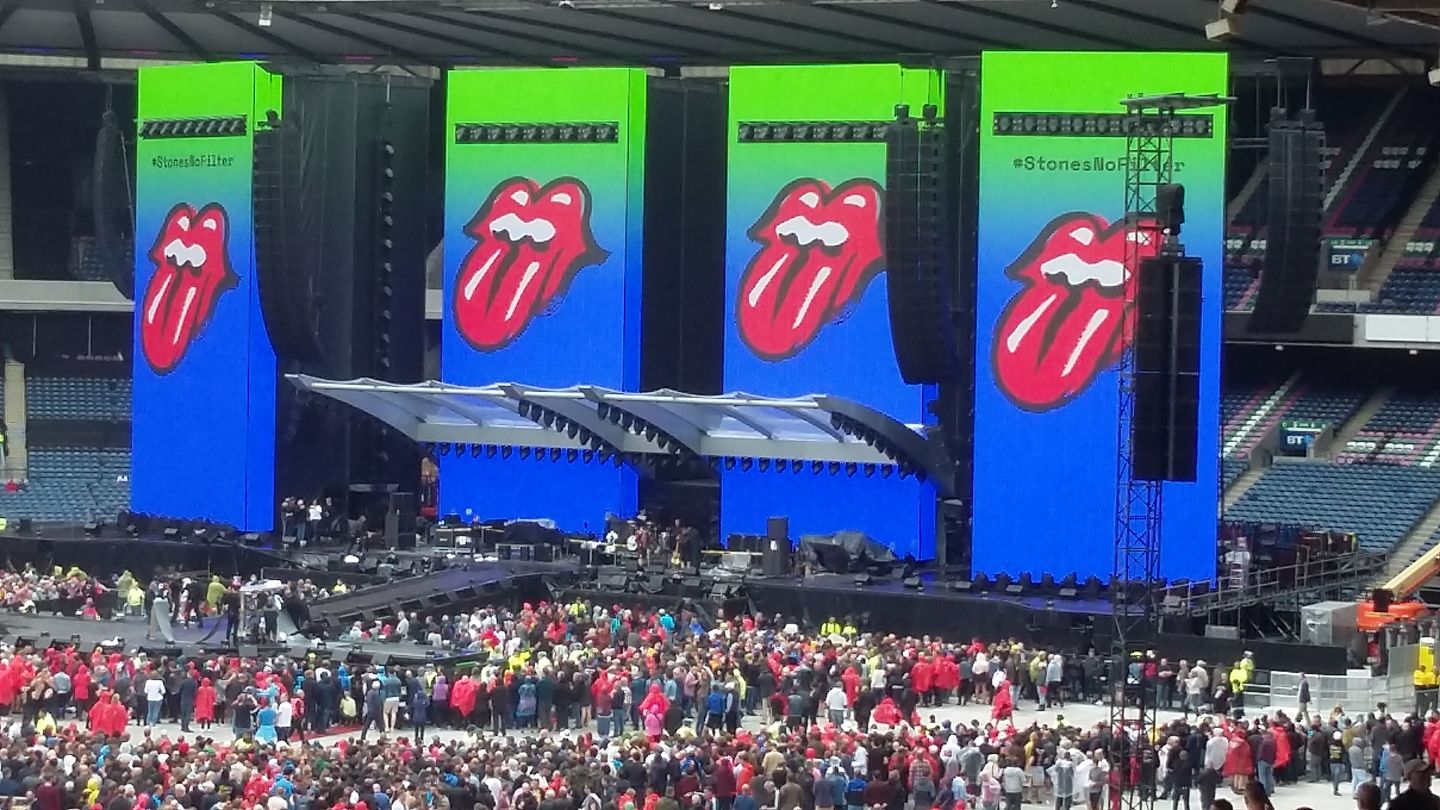
The Rolling Stones in concert. Les Hull, CC BY-SA 2.0, via Wikimedia Commons
Design Disruption in Three Chords
On this day in 1962 — the Rolling Stones played their first gig, a small act of disruption that turned into six decades of it.
2 min read
The Rolling Stones played their first show on July 12, 1962, at the Marquee Club in London. They were not yet called the Rolling Stones. The poster listed them as "The Rollin' Stones," named after a Muddy Waters song. There were six of them on stage, including a piano player and a bassist who would both be gone within months. Mick Jagger sang, Keith Richards played guitar, and Brian Jones, who had assembled the group, led from the side. They played Chicago blues covers for a crowd that barely noticed. They were paid twenty pounds.
What made rock and roll disruptive was not the music itself but the attitude. It was loud, aggressive, and deliberately unpolished. It rejected the carefully produced sound of mainstream pop in favor of something raw and immediate. The Stones leaned into this harder than almost any band of their era. They did not try to be charming or clean-cut. They looked scruffy, sounded dangerous, and built their image around being the opposite of the Beatles. Where the Beatles wore matching suits, the Stones wore whatever they wanted. Where the Beatles smiled, the Stones sneered.
This was branding before branding was a conscious strategy. The Stones' manager, Andrew Loog Oldham, understood that rebellion sold. He positioned the band as the anti-establishment alternative, the band your parents would hate. The tagline he used in ads: "Would you let your daughter marry a Rolling Stone?" It worked. Teenagers loved them precisely because they were dangerous, because they represented a break from the past. Rock and roll became not just a genre but a cultural stance.
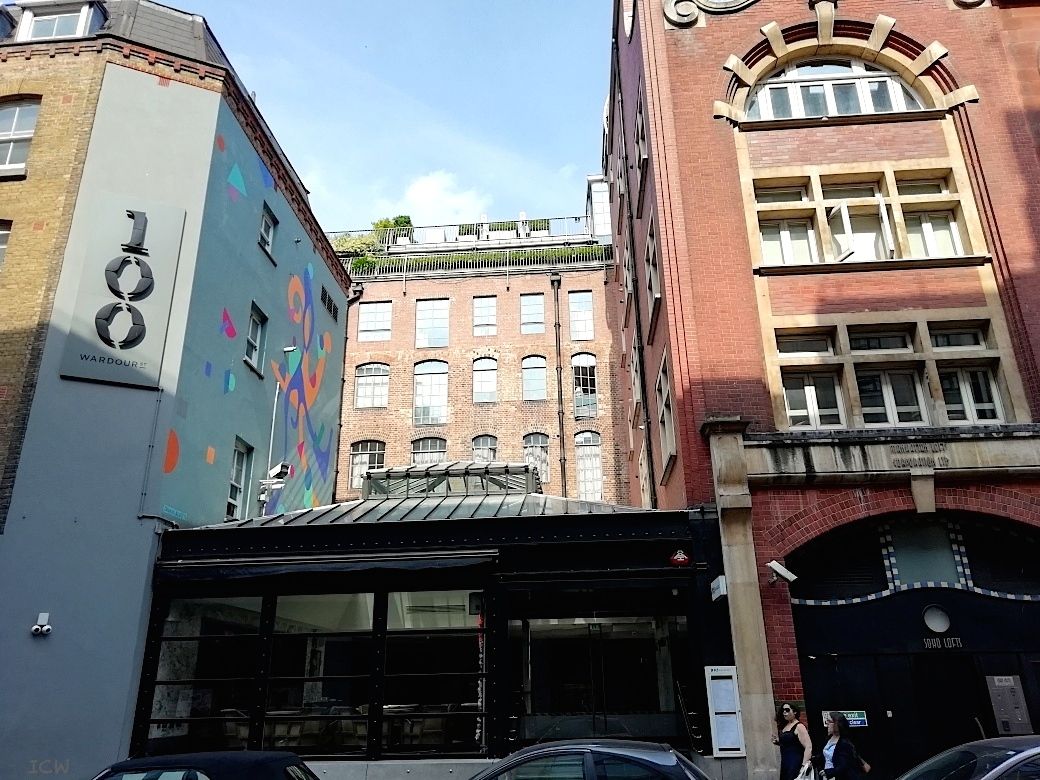
Wardour street, the former site of the original Marquee Club where the band played their first show. Picachord, CC BY-SA 4.0, via Wikimedia Commons
The Stones were also, importantly, very good at what they did. They took American blues and R&B, music that had been largely ignored by white audiences, and repackaged it with enough energy and volume to make it impossible to ignore. They introduced a generation of British and American kids to Muddy Waters, Howlin' Wolf, and Chuck Berry. They stripped the music down to its essentials: rhythm, repetition, and attitude. The songs were simple, but the execution was relentless.
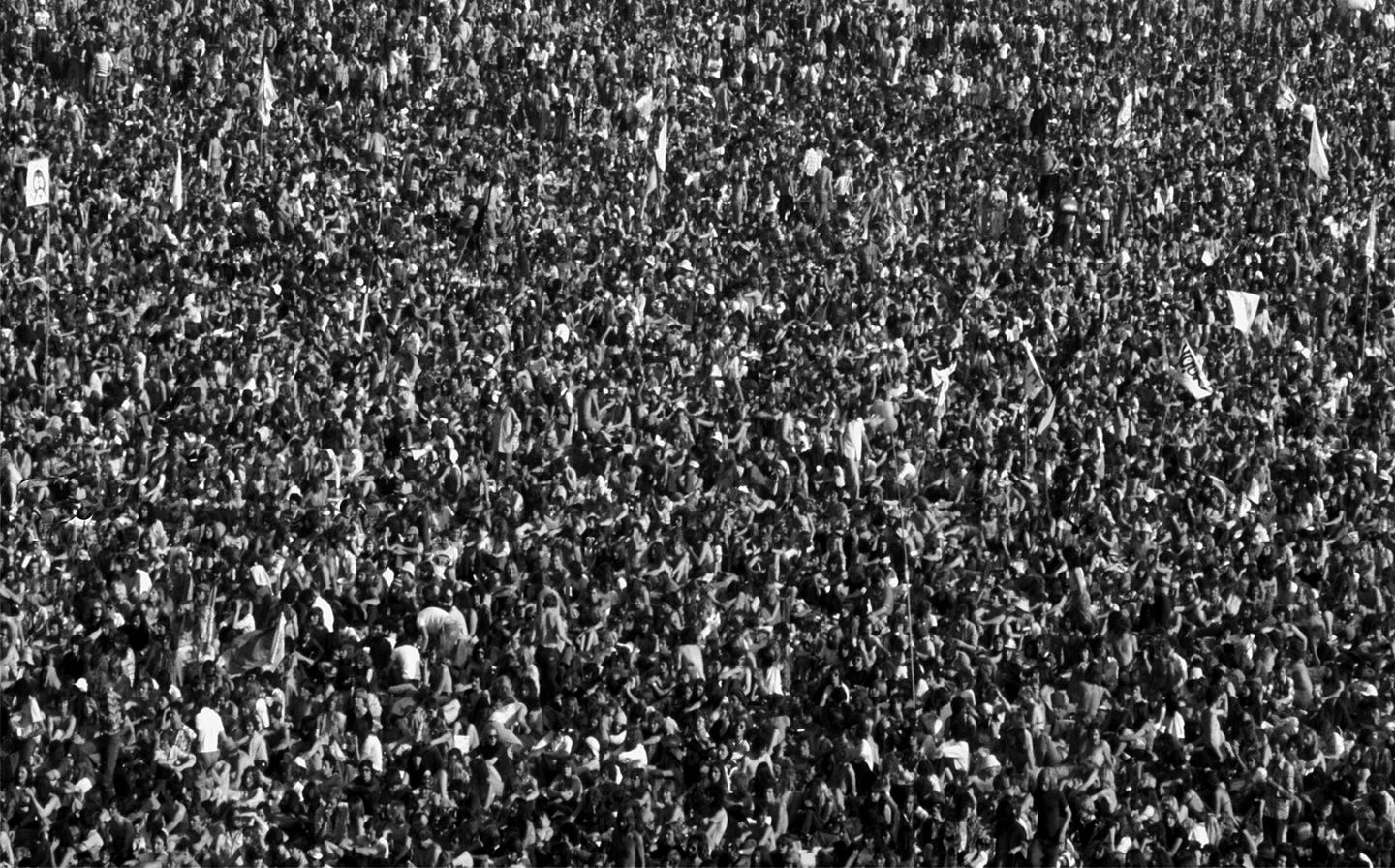
Rolling Stones crowd at knebworth house, 1976. CC BY 3.0, via Wikimedia Commons
Over six decades later, they are still touring, still playing arenas, still the embodiment of rock's endurance and absurdity. The band that started in a small club in London became a global infrastructure, a touring operation, a licensing empire. They have outlasted most of their critics and nearly all of their peers. What they proved is that disruption, if sustained long enough, becomes tradition. And that design, whether it is music or anything else, is as much about the image and the attitude as it is about the product.
studio / on-this-day / Jul 12