studio / on-this-day / May 6
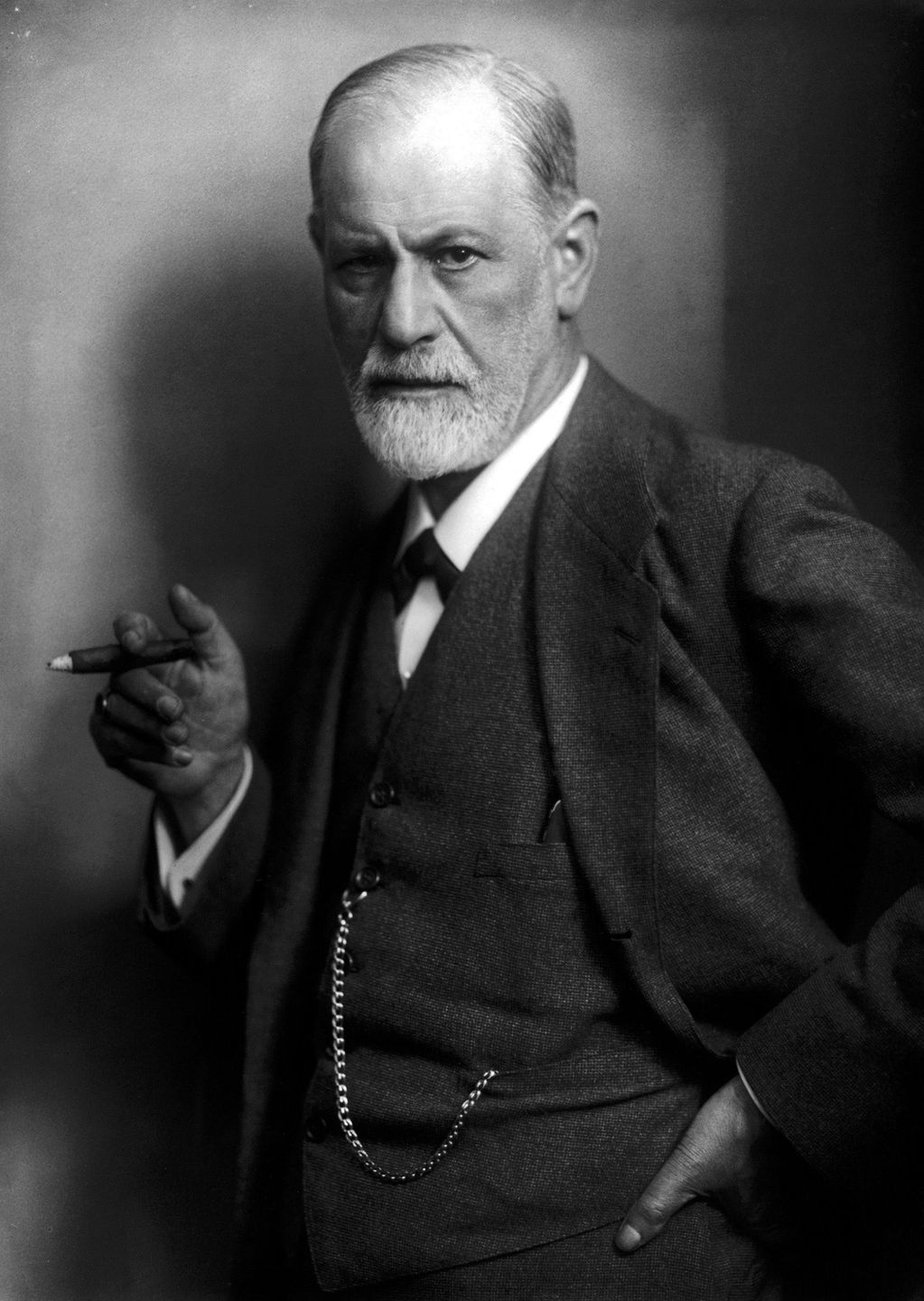
Sigmund Freud, founder of psychoanalysis, photographed for life magazine. Max Halberstadt, Public domain, via Wikimedia Commons
Mapping the Unconscious
On this day in 1856 — Sigmund Freud was born, and would spend his life trying to map the hidden architecture of the mind.
3 min read
Sigmund Freud was born on May 6, 1856, in a small town in what is now the Czech Republic. He grew up in Vienna, studied medicine, and spent the first half of his career as a neurologist treating patients with nervous disorders. What he discovered, or claimed to discover, was that many of these disorders had no physical cause. The symptoms were real, but their origins were psychological. He began developing a method for investigating the mind itself, treating it as a structure with hidden layers, inaccessible to ordinary introspection but traceable through careful observation.
The result was psychoanalysis, a theory and a therapeutic practice built on the idea that much of mental life operates below the threshold of awareness. Freud proposed that the mind is divided into conscious and unconscious regions. The unconscious contains repressed memories, forbidden desires, and unresolved conflicts that shape behavior without the person knowing it. Dreams, slips of the tongue, and neurotic symptoms were not random. They were messages from the unconscious, encrypted but interpretable.
Freud's method was talk therapy. Patients would lie on a couch and speak freely, following whatever thoughts arose without censorship. He called this free association. The analyst listened for patterns, contradictions, and repetitions that might reveal underlying conflicts. The goal was to make the unconscious conscious, to bring hidden material into the light where it could be examined and, ideally, resolved. The mind was a black box, and psychoanalysis was the reverse engineering process.
His theories were controversial from the start. He argued that childhood experiences, particularly those related to sexuality, played a central role in shaping personality and neurosis. He proposed concepts like the Oedipus complex, the id-ego-superego model, and the death drive. Some of these ideas were speculative, even by his own standards. Critics accused him of overemphasizing sexuality, of building grand theories on limited evidence, of treating mythology as science. Much of his work has not held up under empirical scrutiny. But the core insight, that much of what drives behavior is not accessible to conscious thought, remains influential.
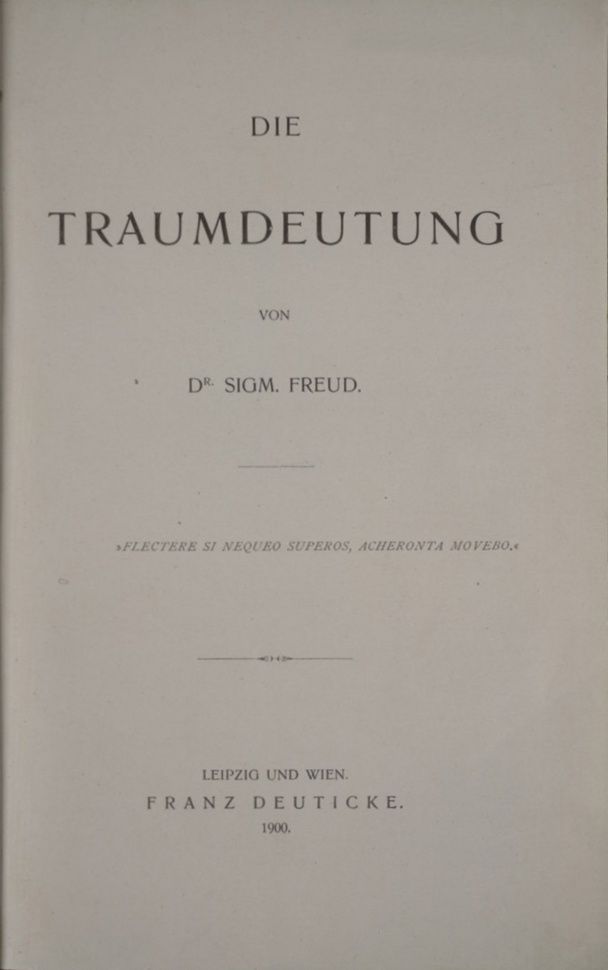
The title page of die traumdeutung, the interpretation of dreams, Freud's 1899 book on the meaning of dreams. Public domain, via Wikimedia Commons
What Freud did was create a framework for thinking about the mind as a designed system with internal logic. The unconscious was not chaos. It had structure, rules, and mechanisms. Repression served a function. Symptoms had meaning. The analyst's job was to decode the system, to understand its architecture well enough to intervene. This was a profoundly modern way of thinking about the self: not as a transparent rational agent, but as a complex, partially opaque machine with competing subsystems.
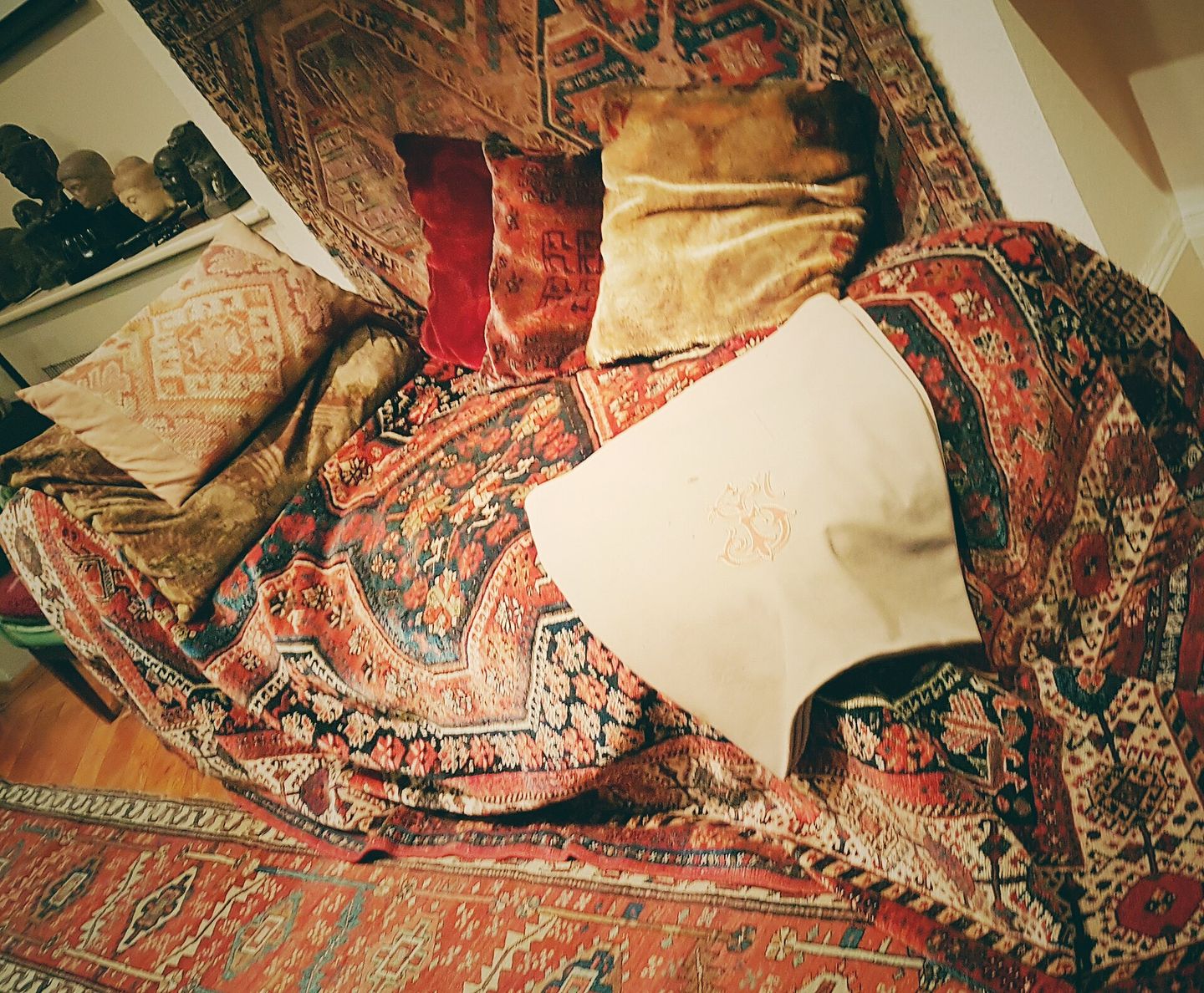
Freud's psychoanalytic couch, now in the Freud museum in London. JRennocks, CC BY 4.0, via Wikimedia Commons
Modern psychology has largely moved beyond Freud's specific theories, but his influence persists. Cognitive science, behavioral economics, and user experience design all assume that people do not have full access to the reasons for their actions. Bias, heuristics, and System 1 thinking are contemporary versions of the unconscious. The tools are different, but the underlying idea is the same: what we think we want and what actually drives us are often different things.
Freud spent his career writing, treating patients, and refining his theories. He fled Vienna in 1938 as the Nazis took power and died in London a year later. His legacy is complicated. He was wrong about many things, overly confident in others, and unwilling to revise ideas even when evidence contradicted them. But he changed how people think about thinking. He made the inner life a subject of systematic investigation, something that could be studied, mapped, and maybe even redesigned.
The unconscious, as Freud described it, is not a mysterious void. It is infrastructure. Hidden, foundational, shaping everything above it. Understanding that infrastructure is the first step toward changing it.
studio / on-this-day / May 6