studio / on-this-day / May 4
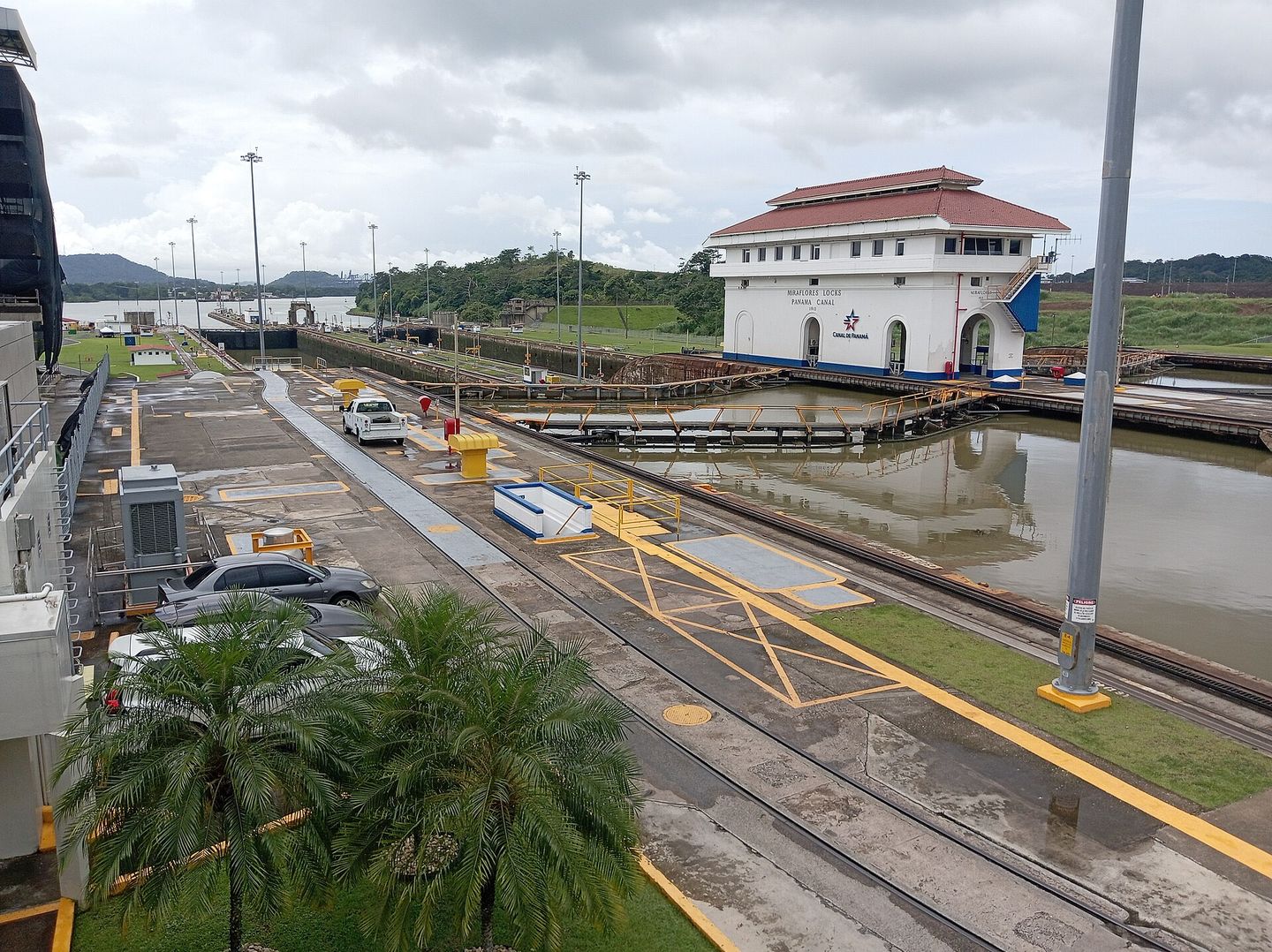
The miraflores Locks of the Panama Canal, raising ships 85 feet through two lock chambers. John23Ms, CC BY 4.0, via Wikimedia Commons
Cutting Through a Continent
On this day in 1904 — the United States began digging the Panama Canal, taking on the largest engineering problem of its century.
3 min read
On May 4, 1904, the United States took control of the Panama Canal construction project and began digging. The goal was to connect the Atlantic and Pacific oceans through 50 miles of jungle, swamp, and mountain. It was not a new idea. The French had tried for 20 years and failed, bankrupted by disease, terrain, and underestimation. Over 22,000 workers died, most from yellow fever and malaria. The abandoned machinery rusted in the jungle. The Americans bought the concession and the wreckage for $40 million and decided to try again.
The problem was not just engineering. It was logistics, medicine, and geology all at once. The Chagres River flooded violently during rainy season. The Culebra Cut, a nine-mile stretch through the Continental Divide, required removing over 100 million cubic yards of earth and rock. Landslides were constant. Equipment broke. Workers died. The French had attempted a sea-level canal, which required digging deeper and moving more material. The Americans changed the design.
Chief engineer John Stevens proposed a lock-based system. Instead of cutting all the way to sea level, the canal would raise ships up 85 feet using massive locks, carry them across an artificial lake, and lower them back down on the other side. This reduced excavation by millions of cubic yards and turned the flooding river into a resource rather than an obstacle. The lake would provide the water needed to operate the locks. The design traded simplicity for feasibility.
But before construction could proceed at scale, the United States had to solve a different problem: disease. Yellow fever and malaria had killed more workers than accidents. Dr. William Gorgas led a sanitation campaign based on the then-controversial theory that mosquitoes transmitted disease. His team drained swamps, installed screens, fumigated buildings, and eliminated standing water across the canal zone. Death rates dropped by 90 percent. The project became survivable.
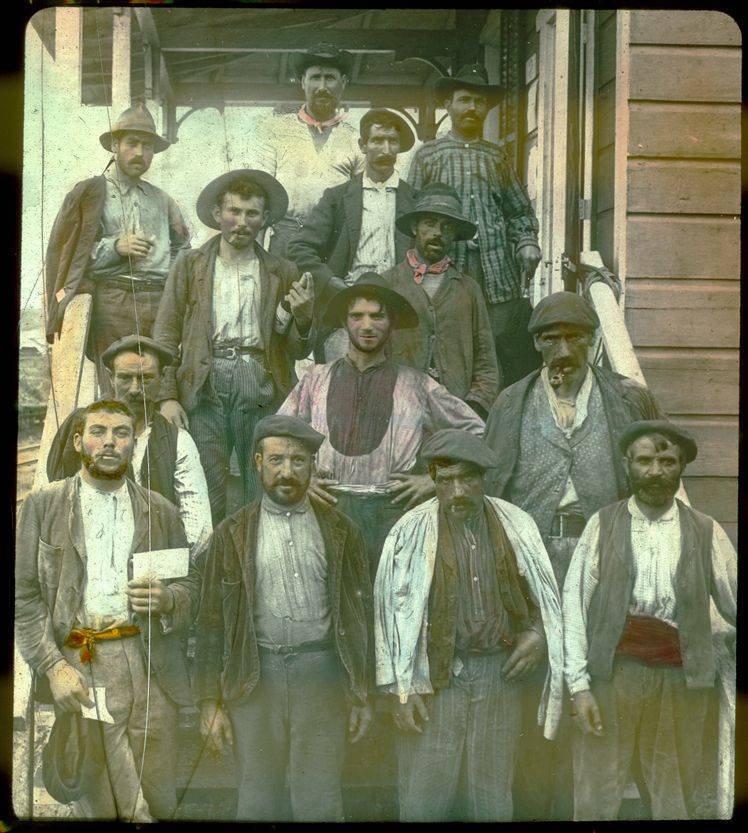
Laborers at the Panama Canal Construction site, circa 1900. CC BY 2.0, via Wikimedia Commons
Construction took ten years and employed over 40,000 workers at peak. Steam shovels, rail cars, and dynamite moved material at industrial scale. The Gatun Locks, the largest concrete structures on earth at the time, used more concrete than all previous projects in the United States combined. Each lock chamber was 110 feet wide and 1,000 feet long, large enough to handle the biggest ships then afloat. The scale was staggering, but the system worked.
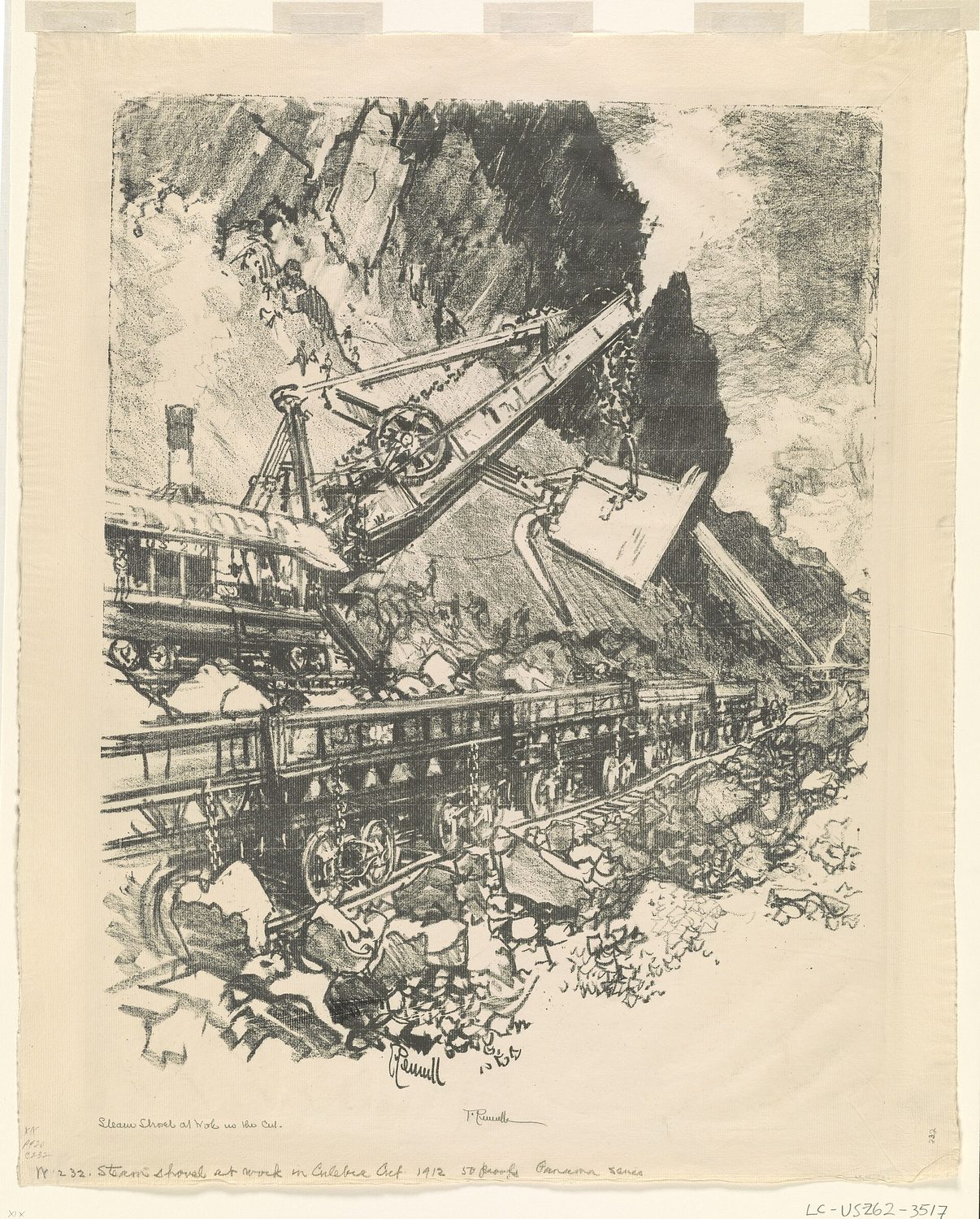
Excavating the Culebra Cut, the hardest stretch of the canal. Public domain, via Wikimedia Commons
The canal opened in 1914, on budget and ahead of the revised schedule. It cut the sea voyage from New York to San Francisco from 14,000 miles around South America to 6,000 miles through Panama. Shipping routes, naval strategy, and global trade all reconfigured around this new shortcut. The canal was not just infrastructure. It was a reordering of geography itself, the planet reshaped to optimize logistics.
What the Panama Canal demonstrated was that almost any design problem can be solved if you are willing to change the constraints. The French failed because they committed to a sea-level canal. The Americans succeeded because they redesigned the problem. Instead of fighting the terrain, they worked with it. Instead of ignoring disease, they eliminated it. Instead of brute force, they used mechanical advantage. The canal is not a monument to digging. It is a monument to systems thinking.
Today, the canal still operates, expanded in 2016 to handle larger ships. Over a billion tons of cargo pass through it each year. It remains one of the most important pieces of infrastructure on earth, a permanent alteration of the world map. The lesson is not that humans can conquer nature, but that they can redesign the problem until nature cooperates.
studio / on-this-day / May 4