studio / on-this-day / May 31
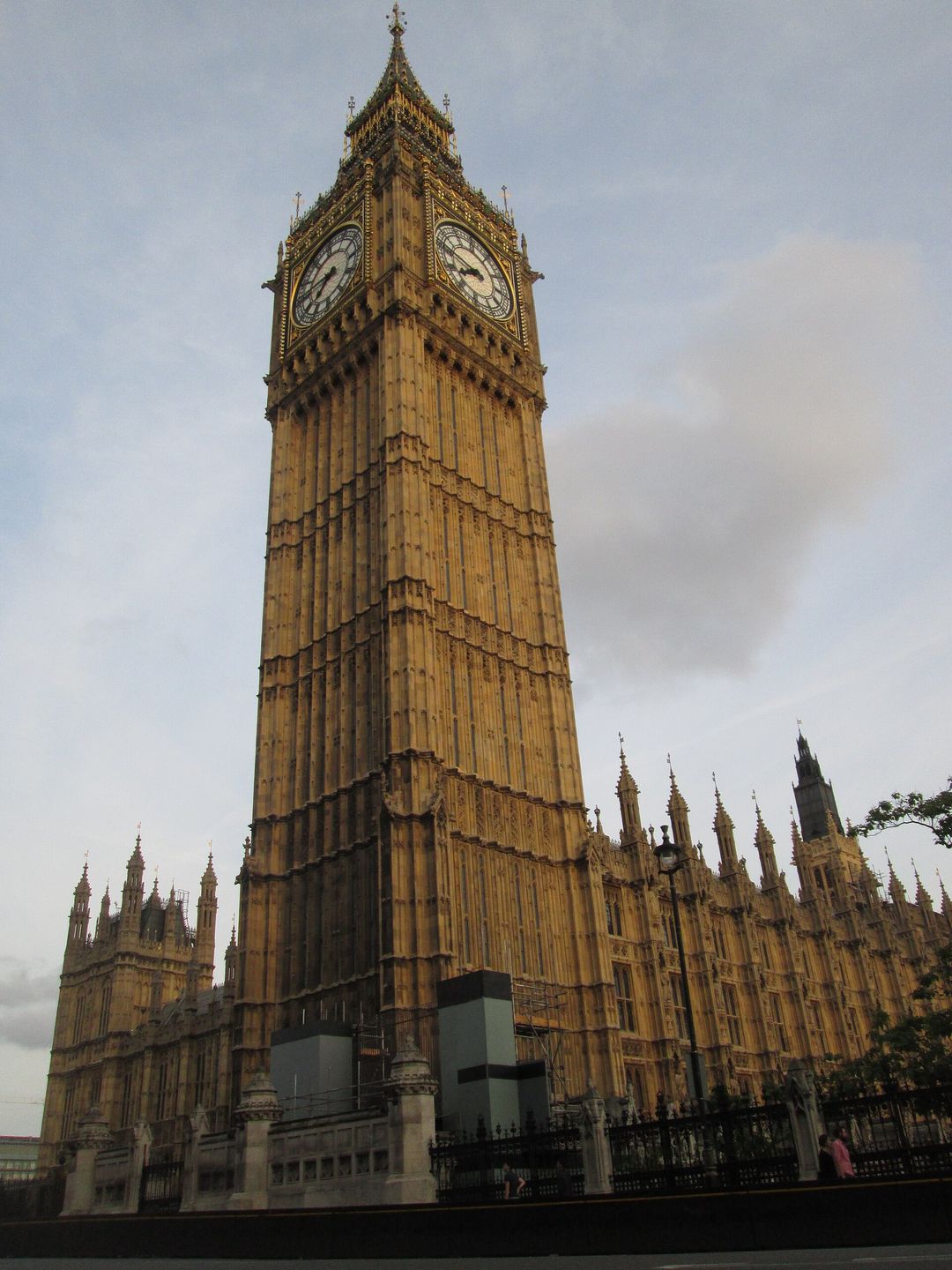
Elizabeth tower (Big Ben) at the Palace of Westminster, London — the Great Bell first rang on May 31, 1859. Chitetskoy, CC BY 4.0, via Wikimedia Commons
Timekeeping as Architecture
On this day in 1859 — the great clock at Westminster began keeping time, turning the measurement of hours into public architecture.
3 min read
At 11:00 a.m. on May 31, 1859, the Great Clock of Westminster started keeping time. The bell weighs 13.7 tons, hangs inside the clock tower at the Palace of Westminster in London, and is known to the world as Big Ben. The name originally referred to the bell itself, not the tower, though over time it came to mean both. The bell chimed the hours. The clock kept time. Together, they became one of the most recognizable structures in the world, a piece of functional architecture designed to synchronize an entire city.
The clock tower was part of the reconstruction of the Palace of Westminster after a fire destroyed much of the building in 1834. Architect Charles Barry designed the new palace in Gothic Revival style, and Augustus Pugin designed the clock tower. The tower stands 316 feet tall, with four clock faces, each 23 feet in diameter. The minute hands are 14 feet long and weigh about 200 pounds. The clock mechanism, designed by Edmund Beckett Denison, was the largest and most accurate of its kind when it was built.
Accuracy mattered. Before the 19th century, timekeeping was local and inconsistent. Towns set their clocks by the position of the sun, which meant that noon in London was several minutes different from noon in Bristol. This worked fine when travel was slow, but the advent of railroads made standardized time necessary. Trains needed schedules. Schedules required synchronized clocks. A public clock visible across the city and accurate to within a second became infrastructure, not decoration.
The Great Bell itself was a feat of casting. The original bell cracked during testing in 1857 and had to be recast. The second bell, the one that still rings today, also cracked in 1859, just two months after it first chimed. A lighter hammer and a quarter-turn rotation kept it functional despite the crack. The flaw gives the bell its distinctive tone, a sound that has been broadcast on BBC radio since 1923 and become synonymous with London, with Britain, and with the passage of time itself.
Big Ben was designed to be heard as well as seen. The bell's tone carries for miles. Before radio, before smartphones, before digital clocks on every corner, the sound of the bell told people what time it was. It organized the day. It synchronized commerce, transportation, and social life. The chimes became a temporal anchor, a shared reference point for an entire city. Time was no longer something you checked privately. It was something the city declared publicly, every hour, audible to everyone.
The clock tower survived two world wars. During World War I, the chimes were silenced to prevent German zeppelins from using the sound to navigate. During World War II, the tower was damaged by bombs, but the clock kept running. The BBC broadcast the chimes every night during the war, a signal to occupied Europe that Britain was still functioning, still keeping time. The sound of Big Ben became a symbol of resilience, a mechanical heartbeat that refused to stop.
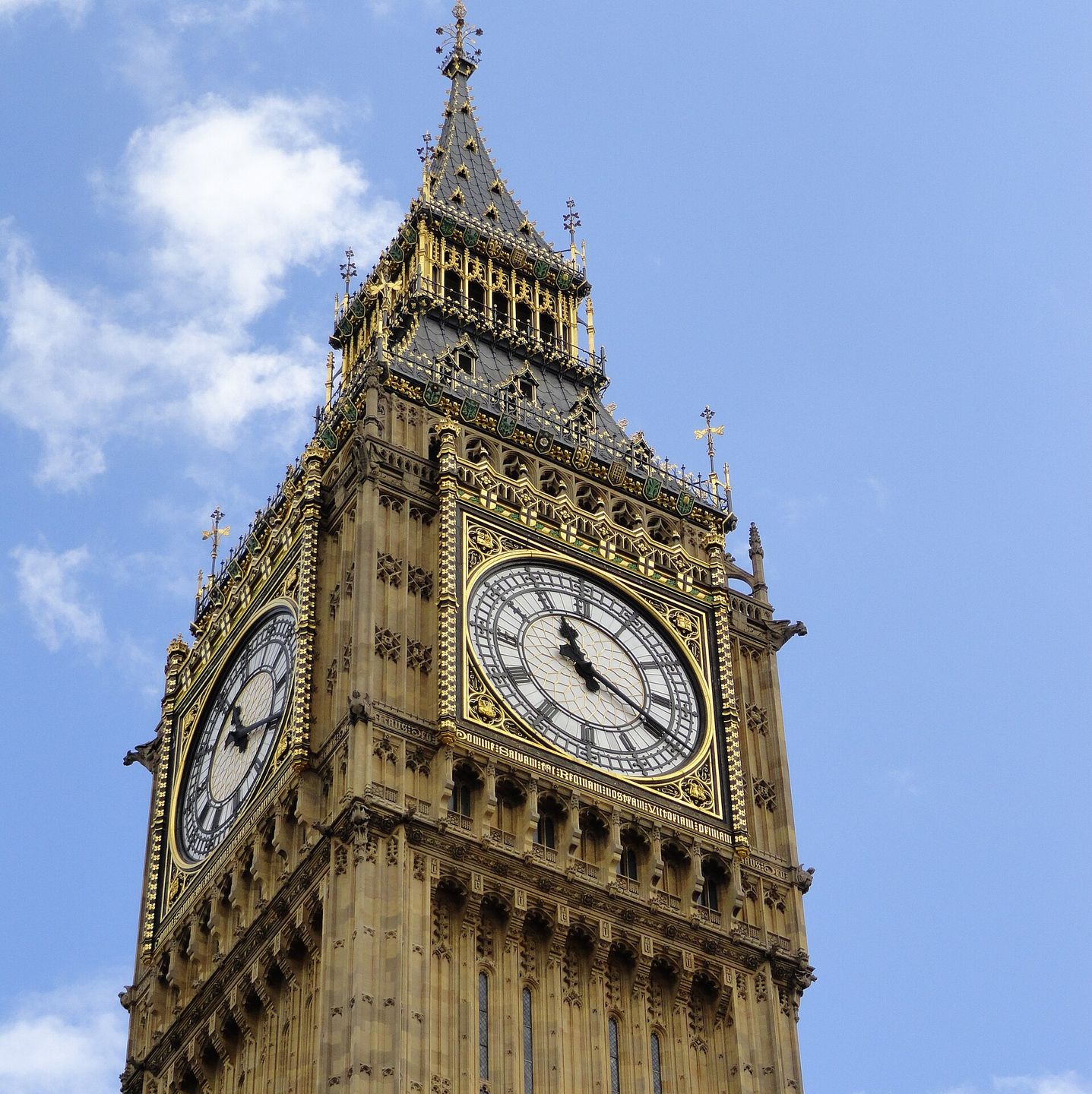
The Clock face of Big Ben — each of the four faces measures 23 feet in diameter, with minute hands 14 feet long. CC0, via Wikimedia Commons
The clock mechanism is still largely original, maintained by a team of clockmakers who wind it by hand three times a week. The timekeeping is adjusted by adding or removing old pennies from the pendulum. One penny changes the clock's speed by 0.4 seconds per day. It's low-tech precision, a 19th-century solution that still works in the 21st century. The entire system is a reminder that good design doesn't need to be replaced. It just needs to be maintained.
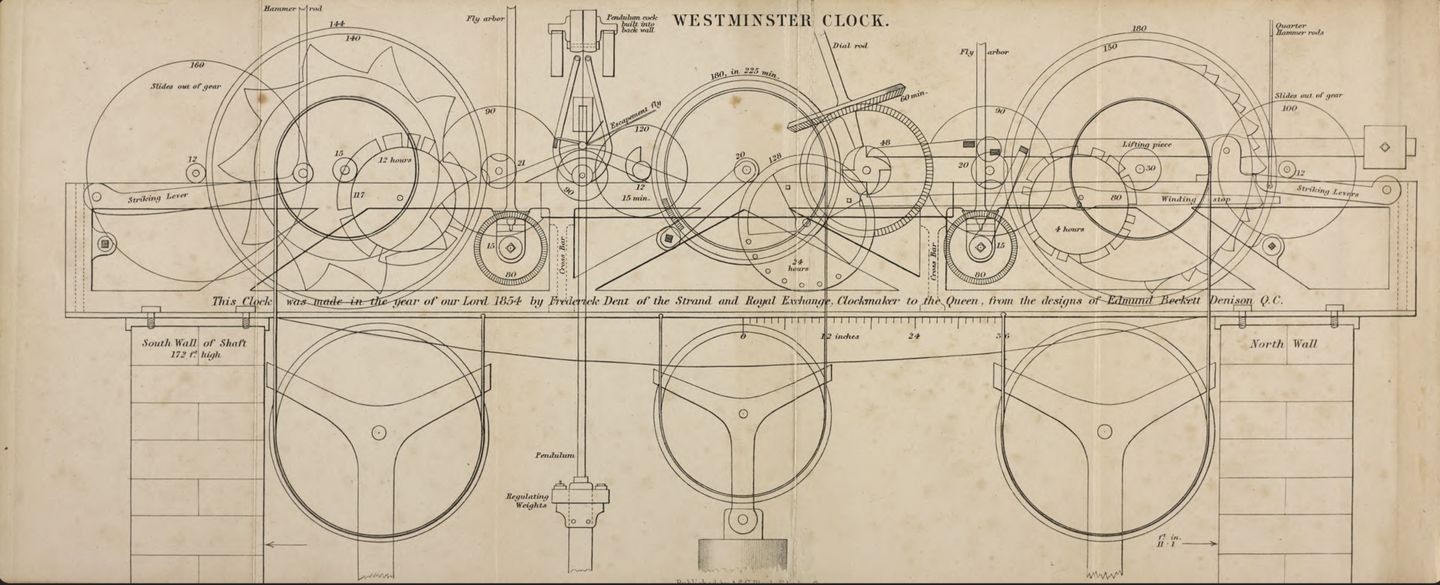
Design plan of the Great Westminster Clock mechanism, c.1854, by Edmund Beckett Denison and made by e j dent. Denison, E. B., Public domain, via Wikimedia Commons
Big Ben is not the most accurate clock in the world. Atomic clocks are far more precise. But accuracy isn't the only measure of a clock's value. Big Ben is public, visible, and audible. It exists in the world, not in a laboratory. It organizes time for millions of people who pass beneath it, who hear its chimes, who glance up at its face to check the hour. It's infrastructure that looks like architecture, a machine disguised as a monument, a device for measuring time that became a symbol of it. The bell rang for the first time in 1859, and it's still ringing. That's good design.
studio / on-this-day / May 31