studio / on-this-day / May 30
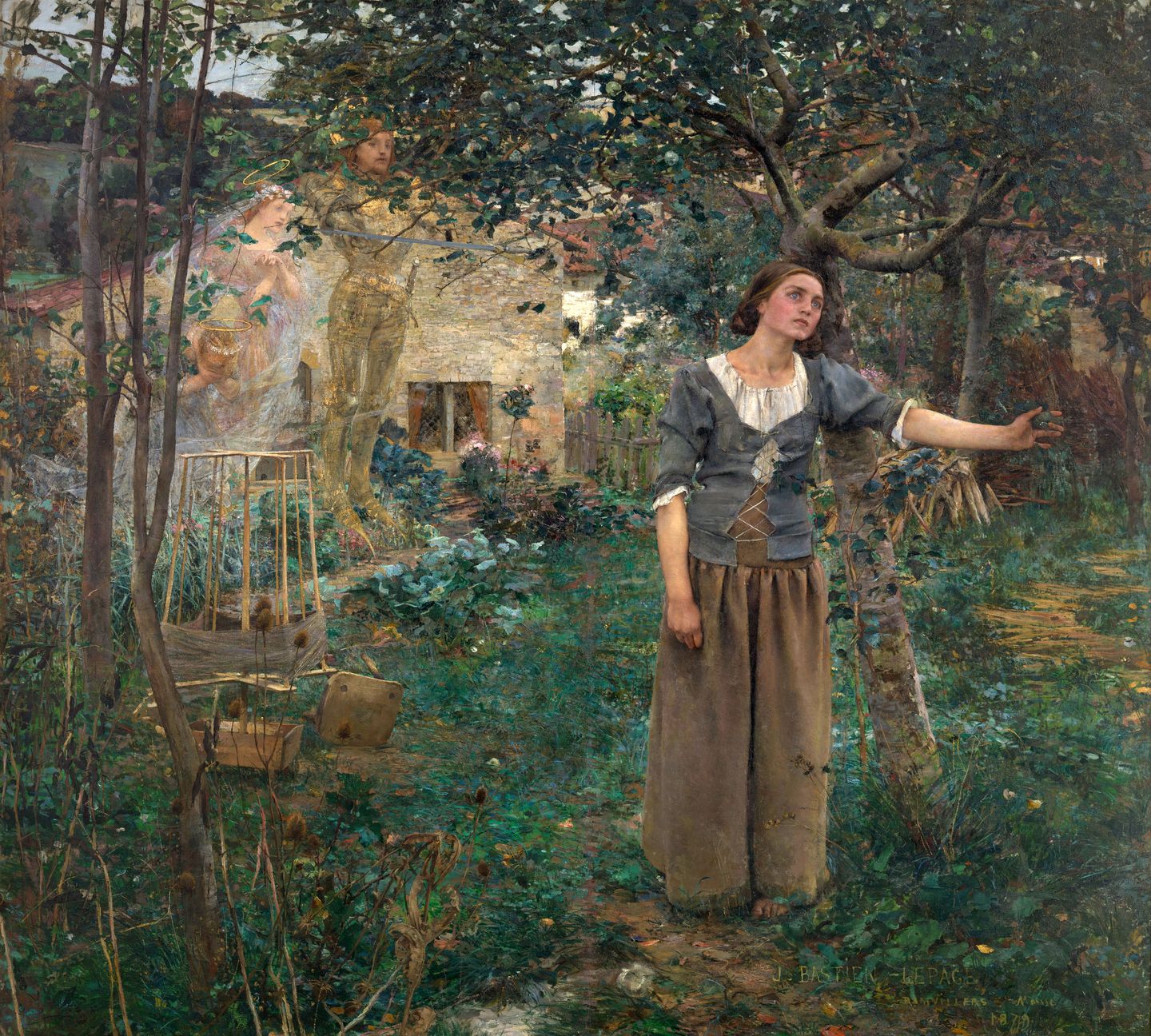
Joan of Arc depicted in armor — she led French troops to victory at Orléans in 1429 before being executed at age 19. Jules Bastien-Lepage, Public domain, via Wikimedia Commons
The Illiterate Strategist
On this day in 1431 — Joan of Arc was burned at the stake at nineteen, an illiterate teenager who had reorganized a nation's war.
3 min read
Joan of Arc was burned at the stake in Rouen, France, on May 30, 1431. She was 19 years old. The English had captured her a year earlier, tried her for heresy, and convicted her of wearing men's clothing, among other charges. The real crime was that she had turned the tide of the Hundred Years' War in favor of France, and the English needed her eliminated. The trial was political theater. The execution was public spectacle. The fire was set three times to ensure her body was completely consumed, leaving nothing for her followers to venerate.
Joan was born in 1412 in Domrémy, a small village in northeastern France. She was the daughter of a farmer. She could not read or write. At 13, she began hearing voices she believed were saints telling her to drive the English out of France and help the Dauphin, Charles VII, claim the throne. At 17, she convinced a local garrison commander to give her an armed escort to meet Charles. She rode for 11 days through enemy territory, arrived at the royal court, and persuaded the future king to let her lead troops into battle.
What Joan brought to the battlefield was not military experience. It was conviction and tactical insight that defied conventional warfare. Medieval battles were often slow, siege-based affairs. Commanders waited for supply lines to collapse or for disease to weaken defenders. Joan advocated for direct assault. At the Siege of Orléans in 1429, she rallied demoralized French forces, led charges, and took an arrow to the shoulder but kept fighting. The siege was broken in nine days. It was a turning point in the war.
Her success was partly psychological. Soldiers believed she was divinely inspired, which made them fight harder. But her tactical decisions also mattered. She understood momentum. She grasped that morale was a force multiplier. She knew when to attack and when to press an advantage. Military historians still debate how much of her success was instinct versus guidance from experienced advisors, but the results were undeniable. She won battles. She changed the course of the war.
After Orléans, Joan continued to win victories. Charles VII was crowned king at Reims in July 1429, with Joan standing beside him in full armor. But her influence waned. The court was suspicious of her. The military establishment resented her. In May 1430, during a skirmish near Compiègne, she was captured by Burgundian forces allied with the English. Charles VII made no effort to ransom her. The English paid 10,000 livres to take custody of her and put her on trial.
The trial transcripts still exist. They reveal a young woman who refused to recant her beliefs even under threat of execution. She defended her decision to wear men's clothing as practical for a soldier. She insisted that the voices she heard were real. She would not renounce her mission. The judges, all loyal to the English, convicted her of heresy and relapse. The sentence was death by burning, the standard punishment for heretics. She was executed in the old market square in Rouen, chained to a tall pillar so the crowd could see.
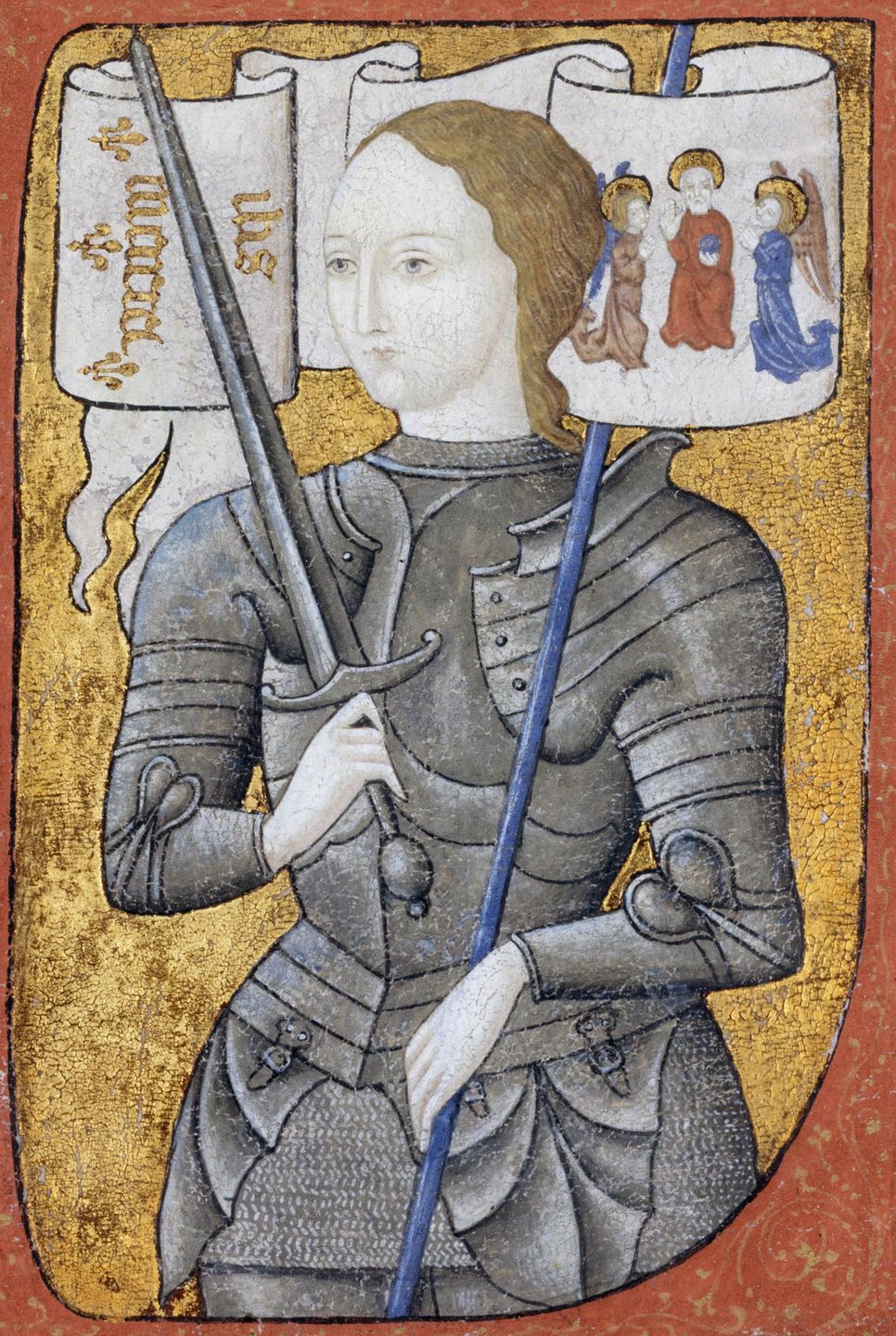
A 15th-century miniature of Joan of Arc — the earliest known likeness of her, drawn by a clerk at the Paris parlement in 1429. Public domain, via Wikimedia Commons
Twenty-five years later, after the war ended and Charles VII controlled France, a retrial cleared Joan of all charges. The verdict was annulled. In 1920, nearly 500 years after her death, the Catholic Church canonized her as a saint. She became a symbol of French nationalism, of resistance, of faith against impossible odds. But what she actually was, in her brief life, was a strategist who understood that systems could be disrupted, that conventional tactics could be replaced, and that belief could be weaponized.
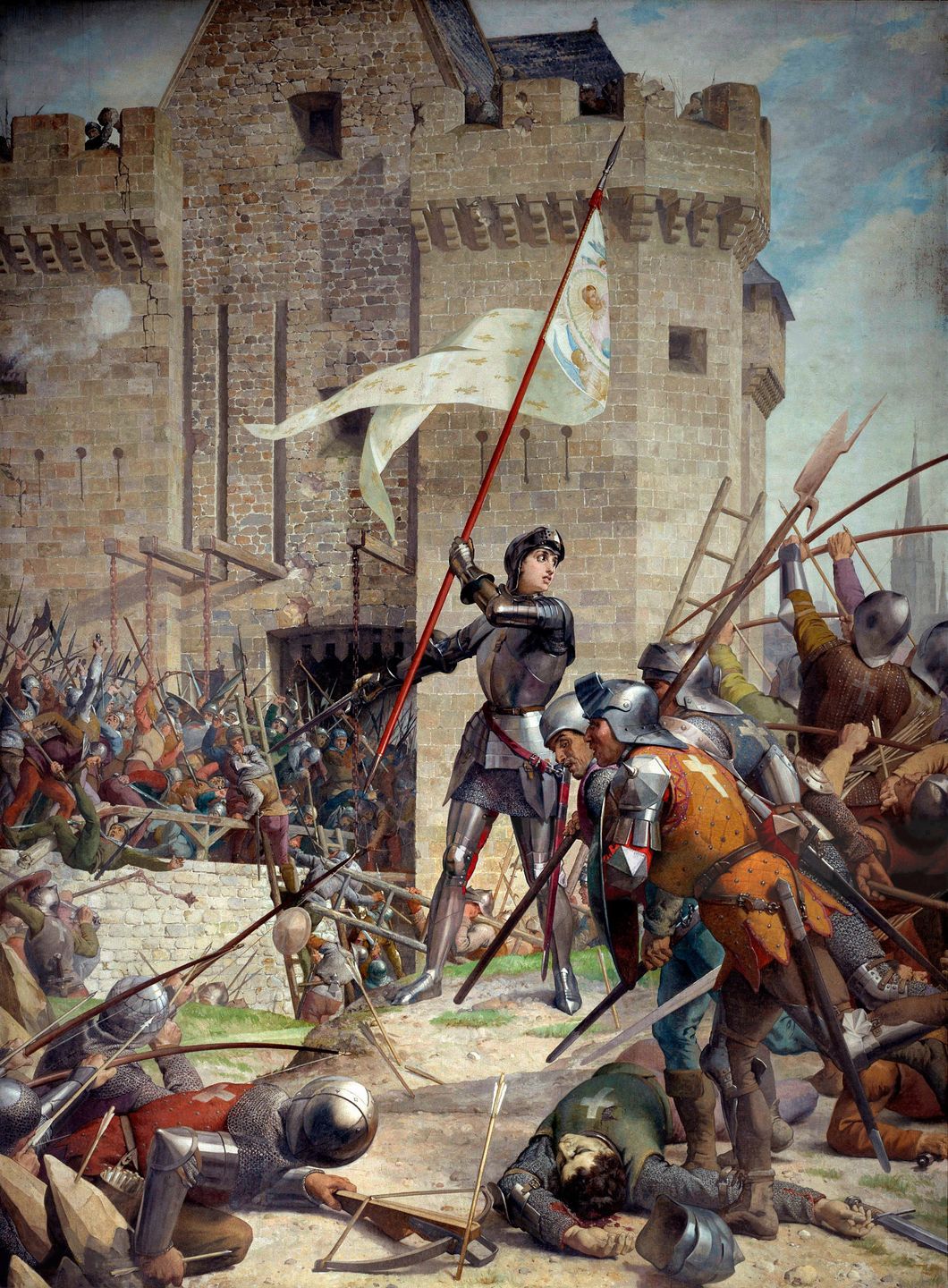
Joan of Arc at the Siege of Orléans, painted by jules eugène Lenepveu — her direct-assault tactics broke the English Siege in nine days in 1429. Eugène Lenepveu, Public domain, via Wikimedia Commons
Joan of Arc was illiterate, but she read situations. She couldn't write, but she rewrote the rules of engagement. She had no formal training, but she understood momentum, morale, and the design of victory. She lived for 19 years, fought for two, and died in flames. But the system she helped disrupt never recovered. France won the war. The English withdrew. And a peasant girl from Domrémy proved that the most dangerous kind of innovation is the kind no one sees coming.
studio / on-this-day / May 30