studio / on-this-day / May 21
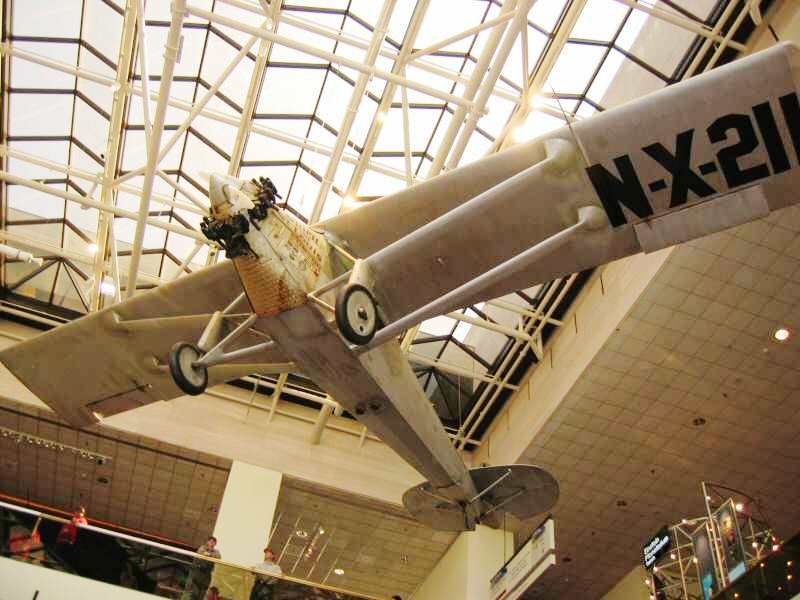
The Spirit of St. louis on display at the Smithsonian National Air and Space Museum, Washington D.C. Jawed Karim, CC BY-SA 3.0, via Wikimedia Commons
Alone Across the Atlantic
On this day in 1927 — Charles Lindbergh landed near Paris after thirty-three hours alone over the Atlantic, and the world felt suddenly smaller.
3 min read
Charles Lindbergh took off from Roosevelt Field on Long Island at 7:52 a.m. on May 20, 1927, in a single-engine plane called the Spirit of St. Louis. The plane was so loaded with fuel that it barely cleared the telephone wires at the end of the runway. Lindbergh was 25 years old, relatively unknown, and attempting something that had killed several pilots before him: flying solo across the Atlantic Ocean. Thirty-three and a half hours later, he landed at Le Bourget Field outside Paris. A crowd of 150,000 people was waiting. He became the most famous person in the world overnight.
The flight was not about adventure. It was about design. Raymond Orteig, a New York hotel owner, had offered $25,000 to the first aviator to fly nonstop between New York and Paris. Several teams had tried. Some crashed on takeoff. Some disappeared over the ocean. Lindbergh approached the problem differently. He didn't want a crew or a co-pilot. He wanted to maximize fuel and minimize weight. The Spirit of St. Louis was built to his specifications by Ryan Airlines in San Diego. It had a single seat, no radio, no parachute, and a fuel tank positioned directly in front of the cockpit, blocking forward visibility. Lindbergh navigated using a periscope and dead reckoning.
The plane was a flying fuel tank with wings. It carried 450 gallons of gasoline, enough to cover the 3,600 miles from New York to Paris with a margin for error. Every design decision was a calculation. The engine was a Wright Whirlwind J-5C, air-cooled and reliable. The fuselage was fabric over a steel frame. The instruments were minimal. Lindbergh even cut the margins off his charts to save weight. The entire aircraft was optimized for a single purpose: staying aloft long enough to cross the ocean.
The flight itself was a study in endurance and isolation. Lindbergh fought sleep by opening the window and letting the freezing air hit his face. He flew through fog, rain, and darkness. At one point, he skimmed just 10 feet above the water to stay alert. He had no way to know if he was on course until he spotted fishing boats off the coast of Ireland, 28 hours into the flight. He was exactly where he intended to be. The navigation worked.
When he landed in Paris, the crowd surged onto the field and nearly tore the plane apart trying to touch it. Lindbergh became an instant celebrity, but the real story was the aircraft. The Spirit of St. Louis proved that long-distance flight was not just possible but practical. It demonstrated that with the right design, a single pilot in a single-engine plane could cross an ocean. Aviation stopped being a spectacle and started being infrastructure.
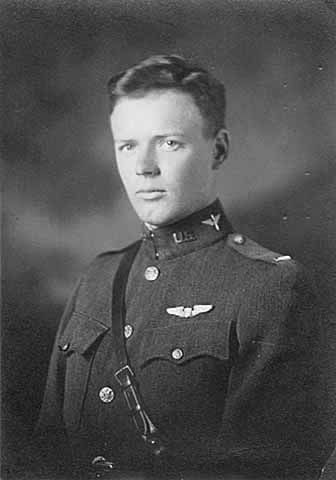
Charles Lindbergh photographed in 1925, two years before his historic solo transatlantic flight. Public domain, via Wikimedia Commons
Lindbergh's fame was overwhelming and, ultimately, tragic. He became a spokesman for aviation, then for isolationism before World War II, which damaged his reputation. His infant son was kidnapped and killed in 1932, one of the most sensational crimes of the century. He spent the rest of his life trying to escape the spotlight his flight had created. But the flight itself remained a landmark, not because it was heroic but because it was methodical.
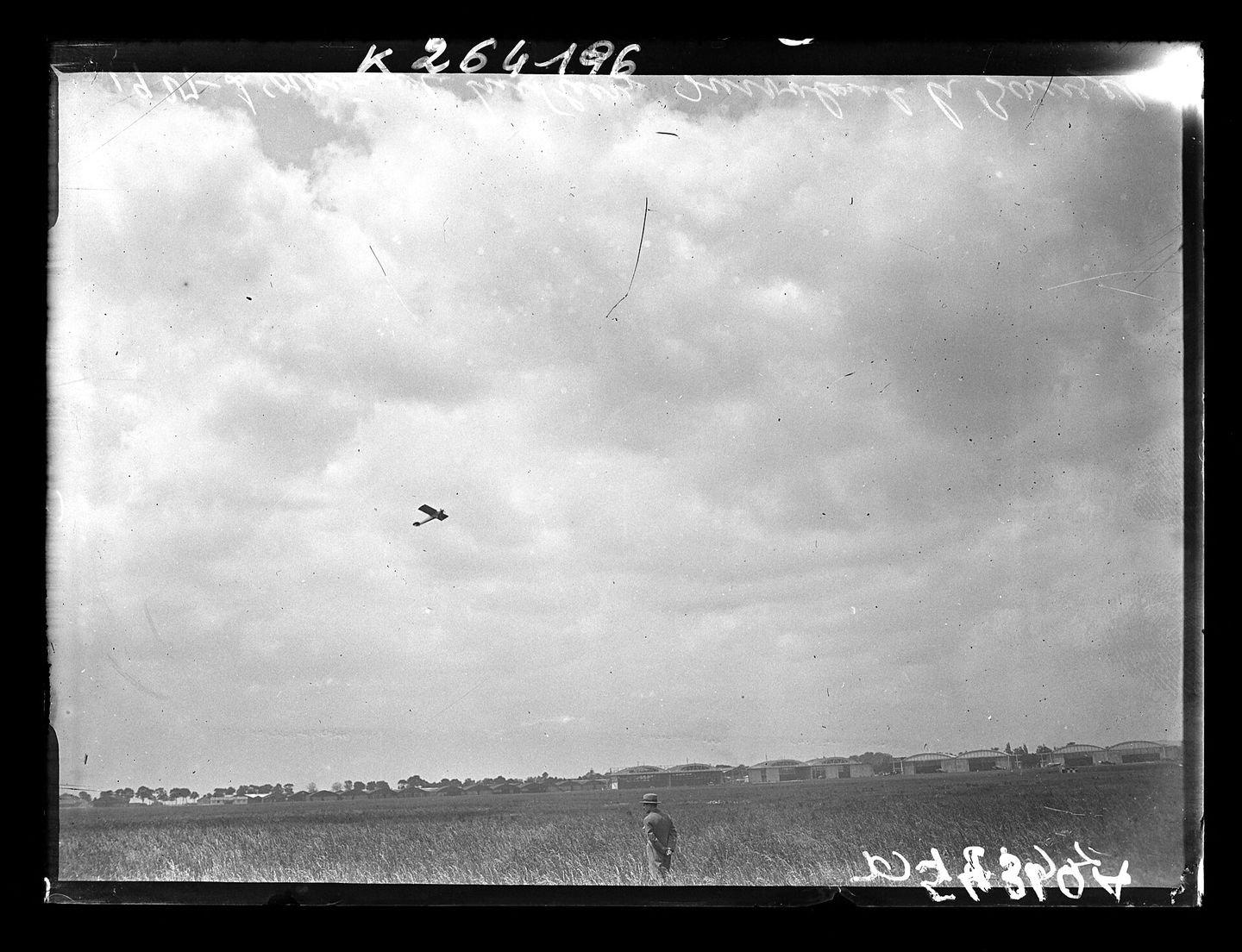
The Spirit of St. louis over Le Bourget Field near Paris at the end of the flight, May 21, 1927. Agence de presse Meurisse. Agence photographique (commanditaire), Public domain, via Wikimedia Commons
The Spirit of St. Louis now hangs in the Smithsonian's National Air and Space Museum, suspended above the entrance. It looks fragile, almost absurdly simple. But every rivet, every strut, every inch of fabric was there for a reason. Lindbergh didn't cross the Atlantic on courage alone. He crossed it on math, weight calculations, and a willingness to trust a machine he had helped design. The flight was proof that engineering, when done with precision and purpose, can turn the impossible into routine.
studio / on-this-day / May 21