studio / on-this-day / May 14
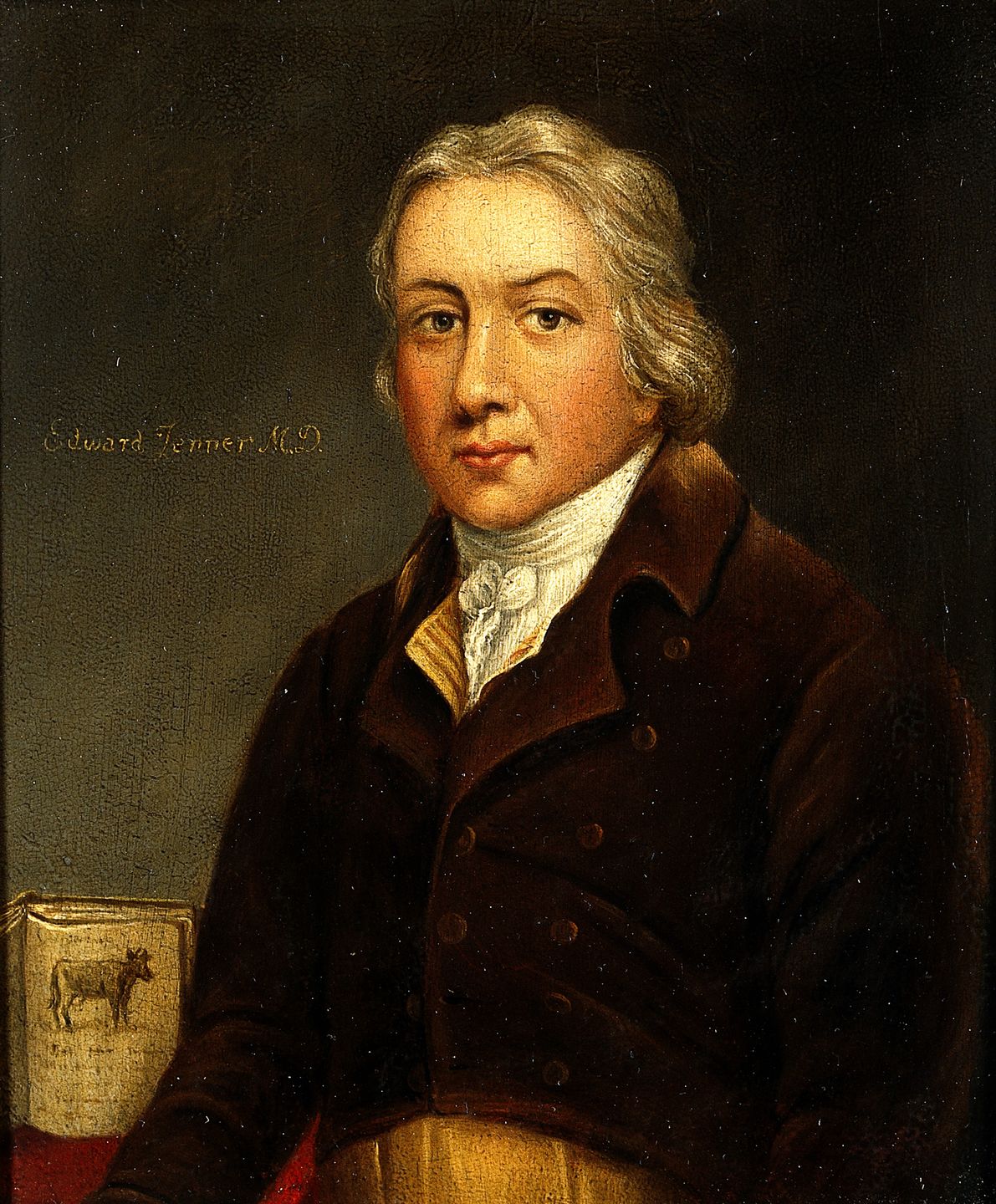
Portrait of Edward Jenner, who developed the world's first vaccine in 1796. CC BY 4.0, via Wikimedia Commons
Milkmaid Immunity
On this day in 1796 — Edward Jenner tried the first smallpox vaccine, borrowing a milkmaid's immunity to rewrite the future of medicine.
3 min read
On May 14, 1796, Edward Jenner, a country doctor in Gloucestershire, England, took pus from a cowpox blister on the hand of a milkmaid named Sarah Nelmes and scratched it into the arm of an eight-year-old boy named James Phipps. Six weeks later, Jenner exposed Phipps to smallpox. The boy did not get sick. Jenner had discovered vaccination, a method of preventing disease by deliberately infecting people with a milder, related pathogen. It was not the first time someone had tried this, but it was the first time it worked reliably and could be replicated.
Jenner's insight came from observation, not theory. He had noticed that milkmaids who contracted cowpox, a relatively mild disease, rarely got smallpox, which killed 30 percent of those it infected and left survivors scarred or blind. The folk wisdom was that cowpox provided protection. Jenner tested it. The experiment was ethically dubious by modern standards, but it worked. He published his findings in 1798 after additional trials. The medical establishment was skeptical. The Royal Society rejected his first paper. Jenner published it himself.
Smallpox had been a constant presence in human life for millennia. It killed rulers, shaped wars, and wiped out populations. Variolation, the practice of deliberately infecting people with live smallpox to induce a milder case, had been used in Asia and Africa for centuries and was brought to Europe in the early 1700s. It worked, but it was dangerous. About 2 percent of those variolated died, and they could spread the disease to others. Jenner's method was safer. Cowpox did not kill. It just trained the immune system to recognize smallpox.
The word "vaccine" comes from "vacca," the Latin word for cow. Jenner did not fully understand why his method worked. Germ theory would not be developed for another half-century. He did not know what a virus was. He just observed a pattern, tested it, and documented the results. The mechanism was opaque, but the outcome was clear: vaccination prevented smallpox. That was enough.
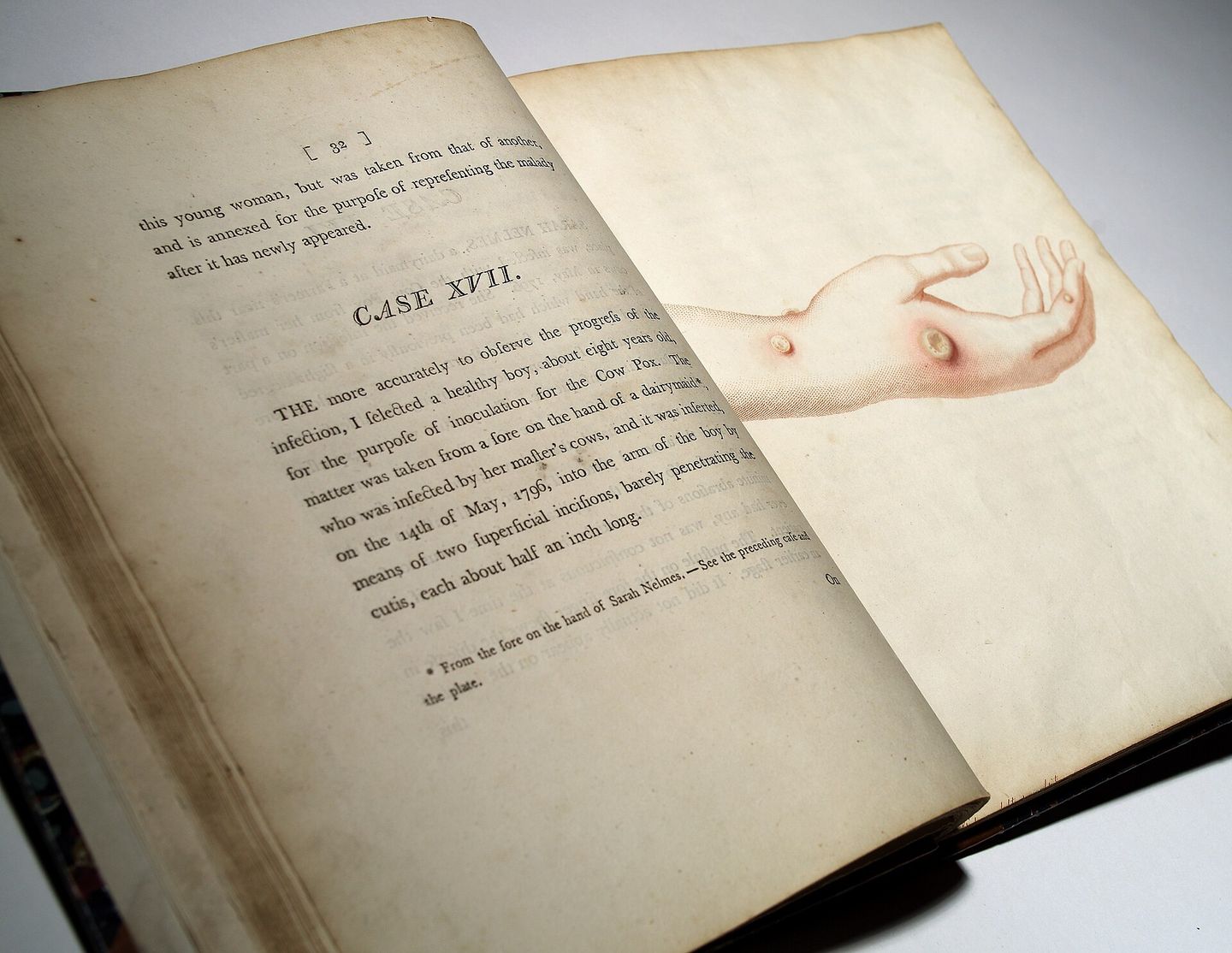
The hand of milkmaid Sarah Nelmes, showing the cowpox blister Jenner drew material from for the first vaccination. CC BY 4.0, via Wikimedia Commons
Adoption was slow at first, then rapid. Vaccination spread across Europe and to the Americas. By the mid-1800s, it was compulsory in some countries. Opposition existed, driven by distrust of medicine, religious objections, and fear of government overreach. But the data was undeniable. Vaccinated populations had lower smallpox rates. By the 20th century, vaccination had become the primary tool for controlling infectious disease. Polio, measles, diphtheria, and dozens of other diseases became preventable.
Smallpox was eradicated in 1980, the only human disease ever completely eliminated. The last known case was in Somalia in 1977. It took 180 years from Jenner's first experiment to total eradication, a coordinated global effort involving millions of vaccinations, surveillance systems, and public health infrastructure. The disease that had killed hundreds of millions of people over centuries no longer exists in the wild. That is one of the few unambiguous victories in the history of medicine.
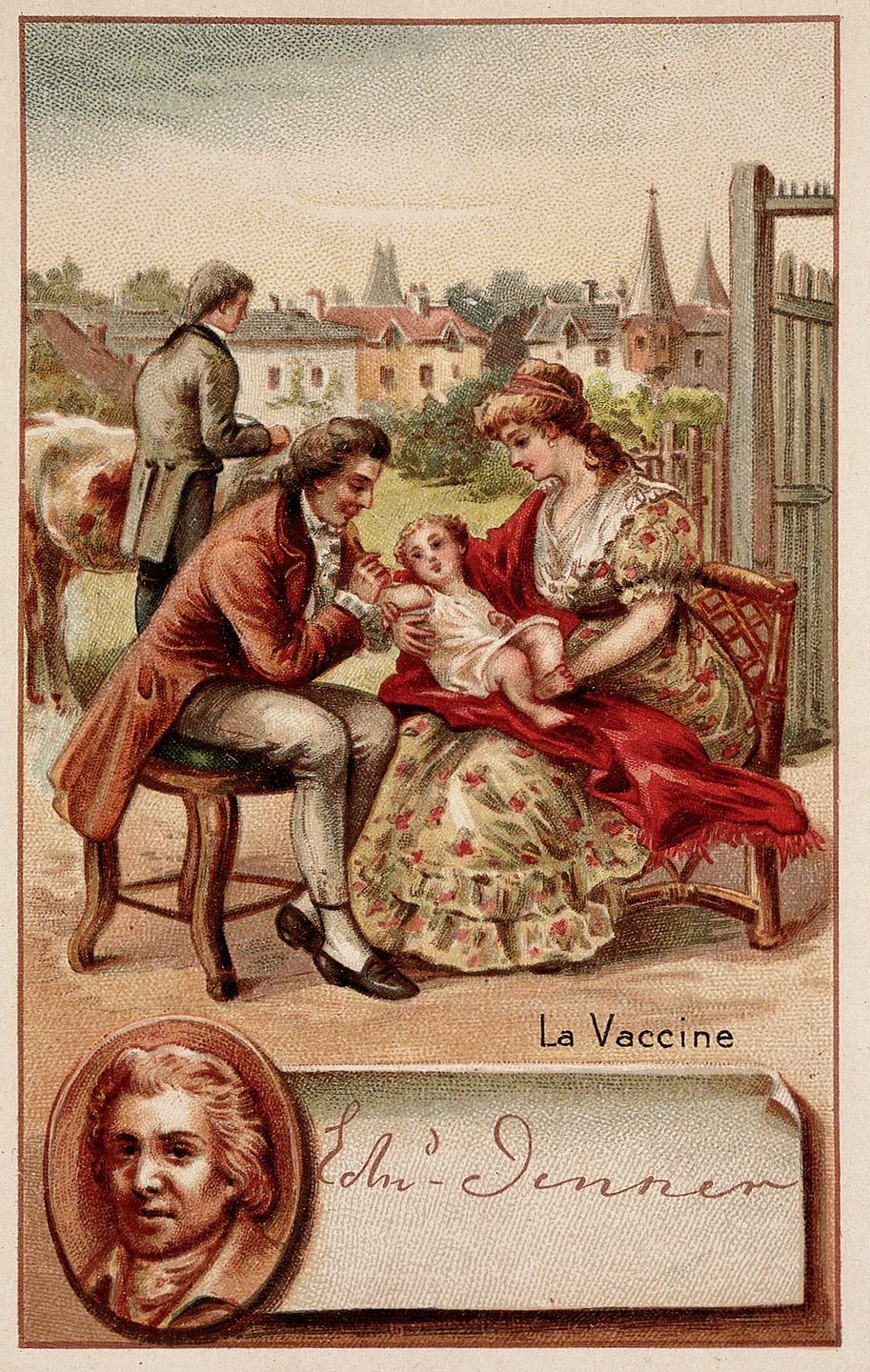
Edward Jenner vaccinating a young child, from the wellcome collection. CC BY 4.0, via Wikimedia Commons
What Jenner demonstrated was that the immune system could be programmed. You could train it to recognize a threat before it encountered the real thing. This was biological design: taking an existing system and repurposing it for a new goal. The body already knew how to fight infections. Vaccination just gave it advance notice. The insight was simple, the implementation was scalable, and the results were measurable. That is the pattern of good design.
James Phipps, the boy from the first experiment, lived a long life. Jenner built him a cottage and supported him financially. The milkmaid, Sarah Nelmes, disappeared from history. Her contribution was a cowpox blister, but it was enough to change medicine forever. Sometimes the smallest intervention has the largest effect.
studio / on-this-day / May 14