studio / on-this-day / May 13
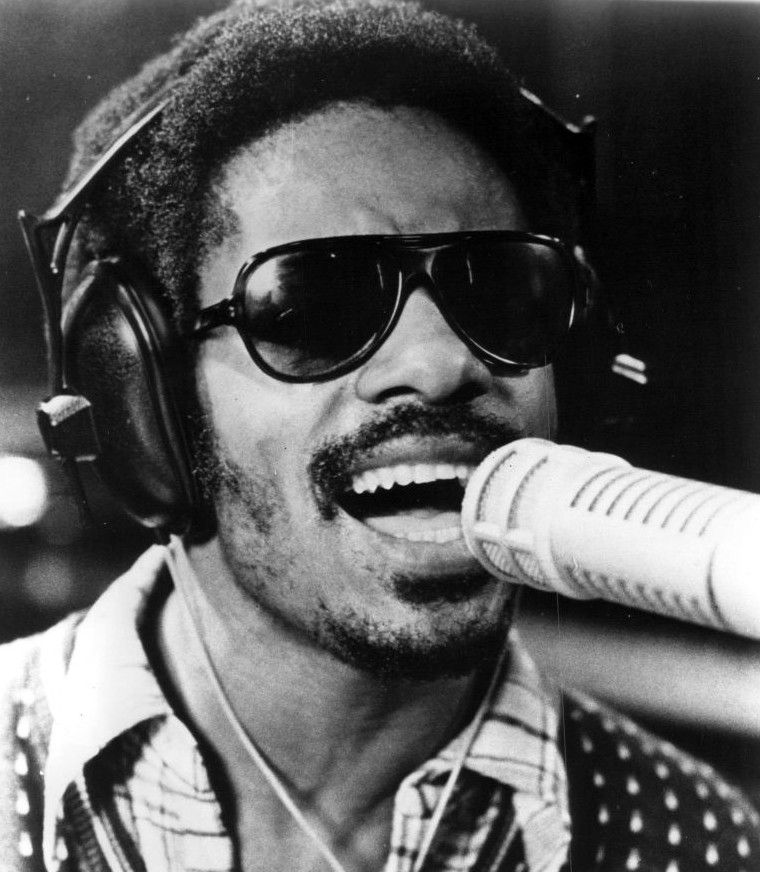
Stevie Wonder performing in 1973, during the creative peak of his Innervisions era. Motown Records, Public domain, via Wikimedia Commons
Limitation as Constraint
On this day in 1950 — Stevie Wonder was born, and would play nearly every instrument himself, treating blindness as one more constraint.
2 min read
Stevie Wonder was born Stevland Hardaway Judkins on May 13, 1950, in Saginaw, Michigan. He was born six weeks premature, and the oxygen-rich environment of the incubator caused retinopathy of prematurity, leaving him blind. He never saw the world, but he heard it completely. By age four, he was playing piano, harmonica, and drums. By eleven, he had signed with Motown Records. By thirteen, he had a number-one hit. He did not treat blindness as a limitation. He treated it as the condition under which he worked.
Wonder played nearly every instrument on his records. He multi-tracked himself, layering keyboards, drums, bass, harmonica, and vocals. He used synthesizers early, experimenting with the Moog and the TONTO system at a time when most musicians saw them as novelties. He composed, arranged, and produced. His work in the 1970s, albums like "Innervisions" and "Songs in the Key of Life," redefined what pop music could be. The music was dense, layered, rhythmically complex, and emotionally direct. It was also meticulously crafted, every element placed with intention.
What Wonder demonstrated was that constraints do not limit creativity. They focus it. Blindness meant he experienced music entirely through sound and touch. He could not read standard notation, but he could hear harmonic relationships with extraordinary precision. He memorized entire arrangements, including every instrumental part. His process was iterative: record, listen, refine, repeat. The limitation became a method. The inability to see forced a deeper form of listening.
Wonder also became an advocate for accessibility and civil rights. He campaigned for the creation of Martin Luther King Jr. Day, lobbying Congress and performing benefit concerts until the holiday was established in 1983. He used his platform not just to make music but to push for systemic change. He understood that systems could be designed differently, whether those systems were musical structures or social policies. Both required intention, persistence, and a refusal to accept the default configuration.
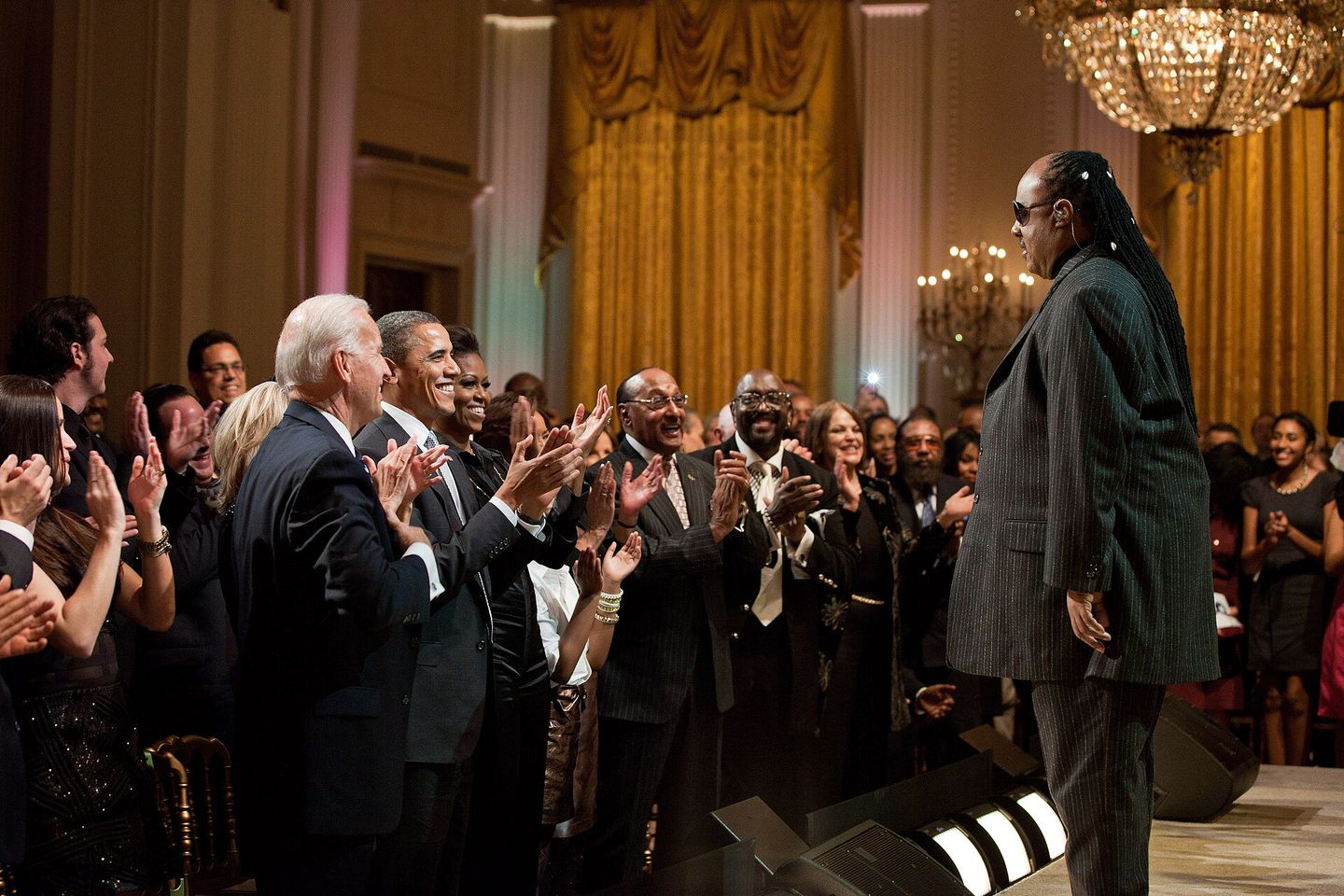
Stevie Wonder receiving a standing ovation in the east room of the White House, 2011. The White House from Washington, DC, Public domain, via Wikimedia Commons
In design terms, Stevie Wonder is a case study in working within constraints. He did not ignore his blindness. He built his creative process around it. He developed workflows that compensated for what he could not see and amplified what he could hear. The result was not music that sounded like it was made by a blind person. It was music that sounded like it was made by someone who heard more clearly than most people ever will.

Hitsville U.S.a. in detroit, Motown's headquarters, where Wonder signed at age eleven. Public domain, via Wikimedia Commons
Constraints clarify. They force you to solve problems rather than work around them. Stevie Wonder did not have the option to rely on visual cues, sheet music, or traditional collaboration methods. So he invented new ones. That is the lesson: limitations are design parameters, not failures. The work adapts to the constraints, and sometimes the constraints make the work better.
studio / on-this-day / May 13