studio / on-this-day / Feb 4
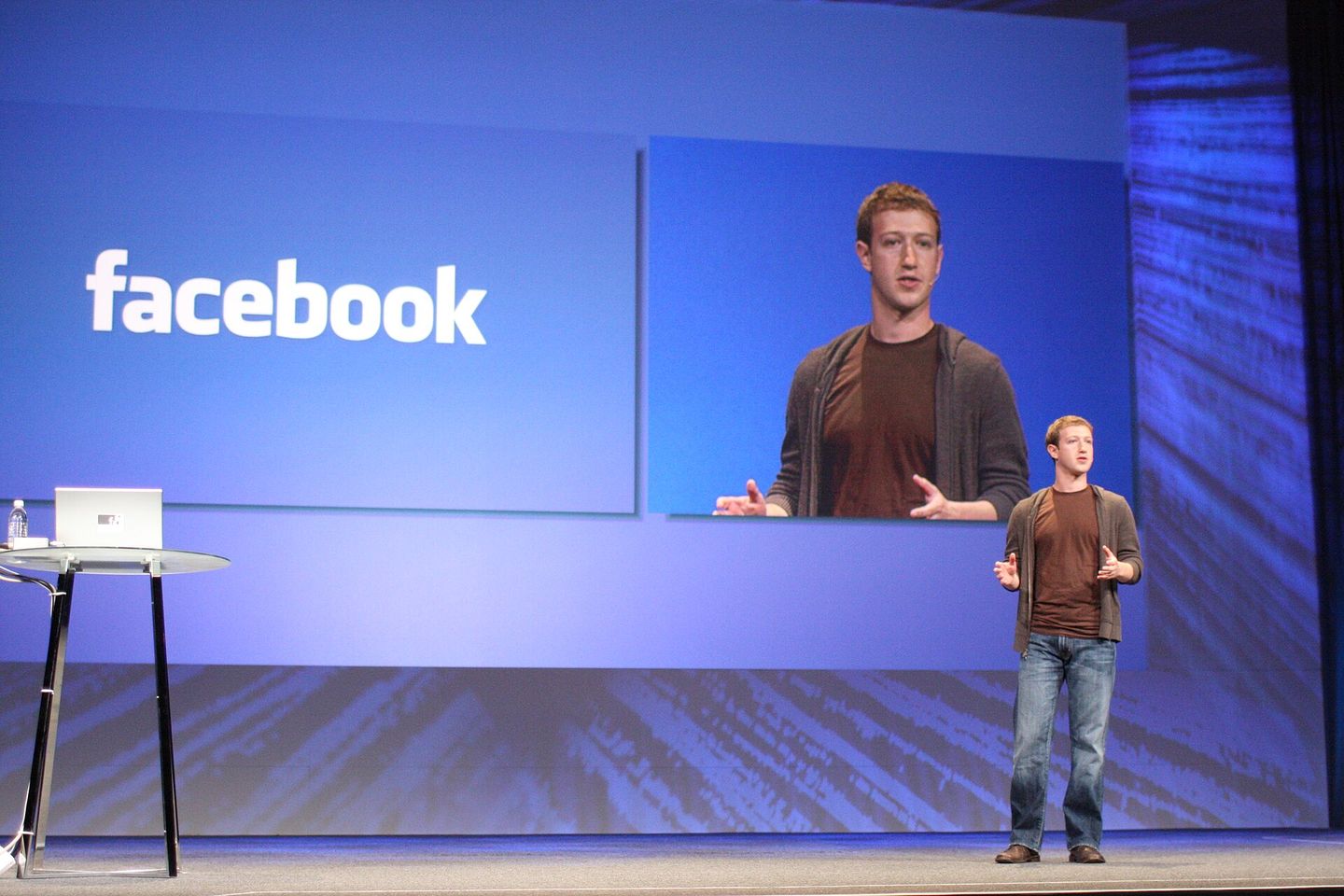
Mark Zuckerberg at the Facebook f8 developer conference keynote. Brian Solis, CC BY 2.0, via Wikimedia Commons
The Social Graph
On this day in 2004 — Mark Zuckerberg switched on Facebook from a dorm room, and human connection acquired a scale nobody had planned for.
3 min read
TheFacebook went live at 6pm on February 4, 2004. Within 24 hours, 1,200 Harvard students had created accounts. Within a month, more than half the undergraduate population had profiles. The site was simple: a profile page, a photo, some basic information, and a network of connections that showed who knew whom. It wasn't the first social network. Friendster launched in 2002. MySpace launched in 2003. But Facebook had something the others didn't. It required a university email address. It was exclusive. It felt real.
Mark Zuckerberg was 19 years old and a sophomore studying computer science. He built the first version in a week, working from his dorm room in Kirkland House. The code was rough. The design was basic. But the core idea was sound: people want to see themselves reflected in a digital space, and they want to know how they connect to other people. Every feature since then has been an elaboration on that premise.
Facebook expanded to other Ivy League schools within weeks. Stanford, Columbia, and Yale came online. By the end of 2004, it was available at most major universities. In 2005, high school networks were added. In 2006, anyone over 13 with an email address could join. The exclusivity that made it feel authentic evaporated. The network opened, and the dynamics shifted. What began as a curated directory of college peers became a global platform where advertisers, political campaigns, and viral content competed for attention.
The design of the platform shaped behavior in ways no one fully anticipated. The News Feed, introduced in 2006, turned passive browsing into an infinite scroll of updates. The Like button, added in 2009, turned social validation into a quantifiable metric. Algorithms began determining what you saw based on engagement patterns, not chronology. The result was a system that optimized for time spent on the platform, which meant optimizing for emotional intensity. Outrage performed better than nuance. Polarization drove clicks.
By 2012, Facebook had a billion users. By 2020, it had 2.8 billion. No single system in history had ever connected that many people, which meant no one knew what the second-order effects would be. Social graphs became influence graphs. Misinformation spread faster than corrections. Echo chambers reinforced existing beliefs. Democratic processes were disrupted by foreign actors using tools built for advertisers. The same mechanisms that let you find old classmates also let anyone microtarget propaganda at vulnerable populations.
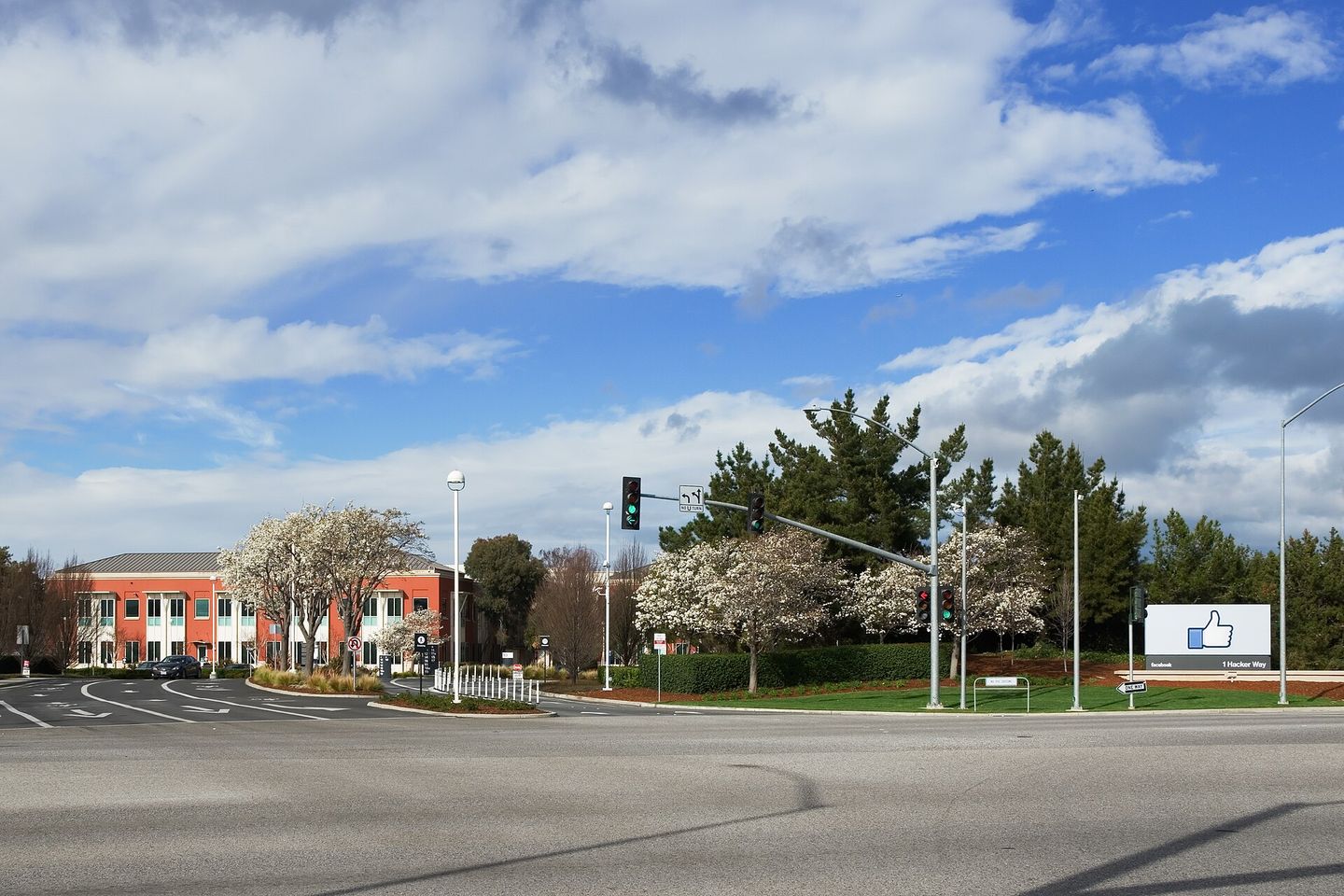
The Facebook headquarters sign at 1 Hacker Way, Menlo Park — the dorm-room project grown into corporate infrastructure. LPS.1, CC0, via Wikimedia Commons
The story of Facebook is often told as either a triumphant rise or a catastrophic mistake. The truth is more complicated. It's a design artifact that succeeded wildly at the problem it set out to solve, which was creating a scalable system for mapping human relationships. The problems emerged from interactions between the design and human psychology at scale. The News Feed wasn't intended to radicalize anyone, but when combined with algorithmic curation and tribal identity formation, it did. The Like button wasn't built to create anxiety, but when tied to social comparison and validation-seeking, it does.
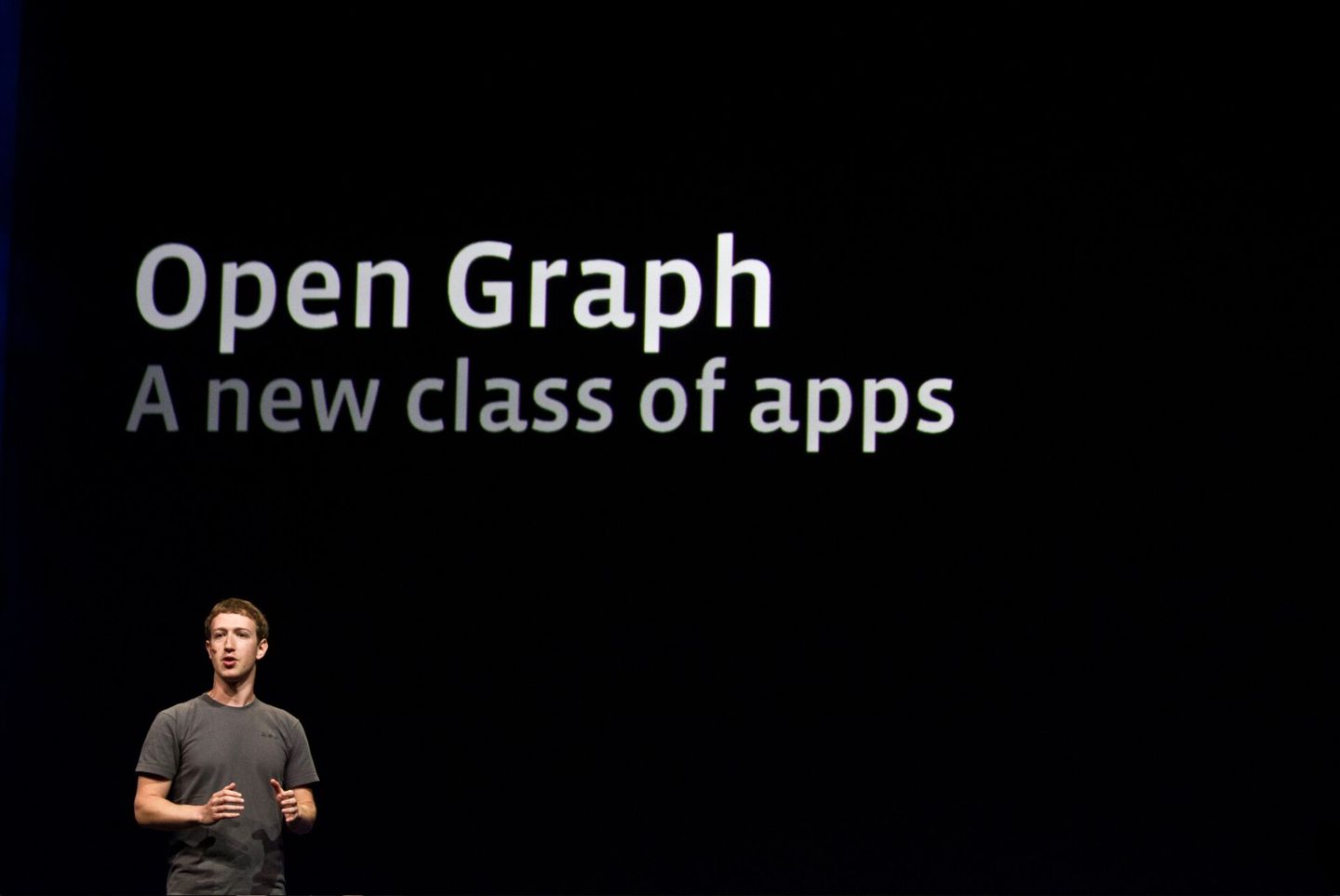
Mark Zuckerberg at the Facebook f8 developer conference in 2011, seven years after launching thefacebook from his Harvard dorm room. Brian Solis, CC BY 2.0, via Wikimedia Commons
What makes Facebook significant isn't that it invented social networking. It didn't. What it did was solve the cold-start problem by anchoring identities to real institutions, then remove those constraints once the network was large enough to be self-sustaining. It turned connection into a product, attention into a commodity, and users into the thing being sold. Two decades later, we're still untangling what that means for privacy, democracy, mental health, and the basic architecture of how information moves through society.
TheFacebook started as a college directory with photos. It became infrastructure. The dorm room launch on February 4, 2004, wasn't the beginning of social media, but it was the moment when network effects began operating at a scale that made them inescapable. Everyone joined because everyone else had. And once everyone was inside, the system itself became too large to escape, too complex to regulate, and too embedded in daily life to shut down.
studio / on-this-day / Feb 4