studio / on-this-day / Feb 27
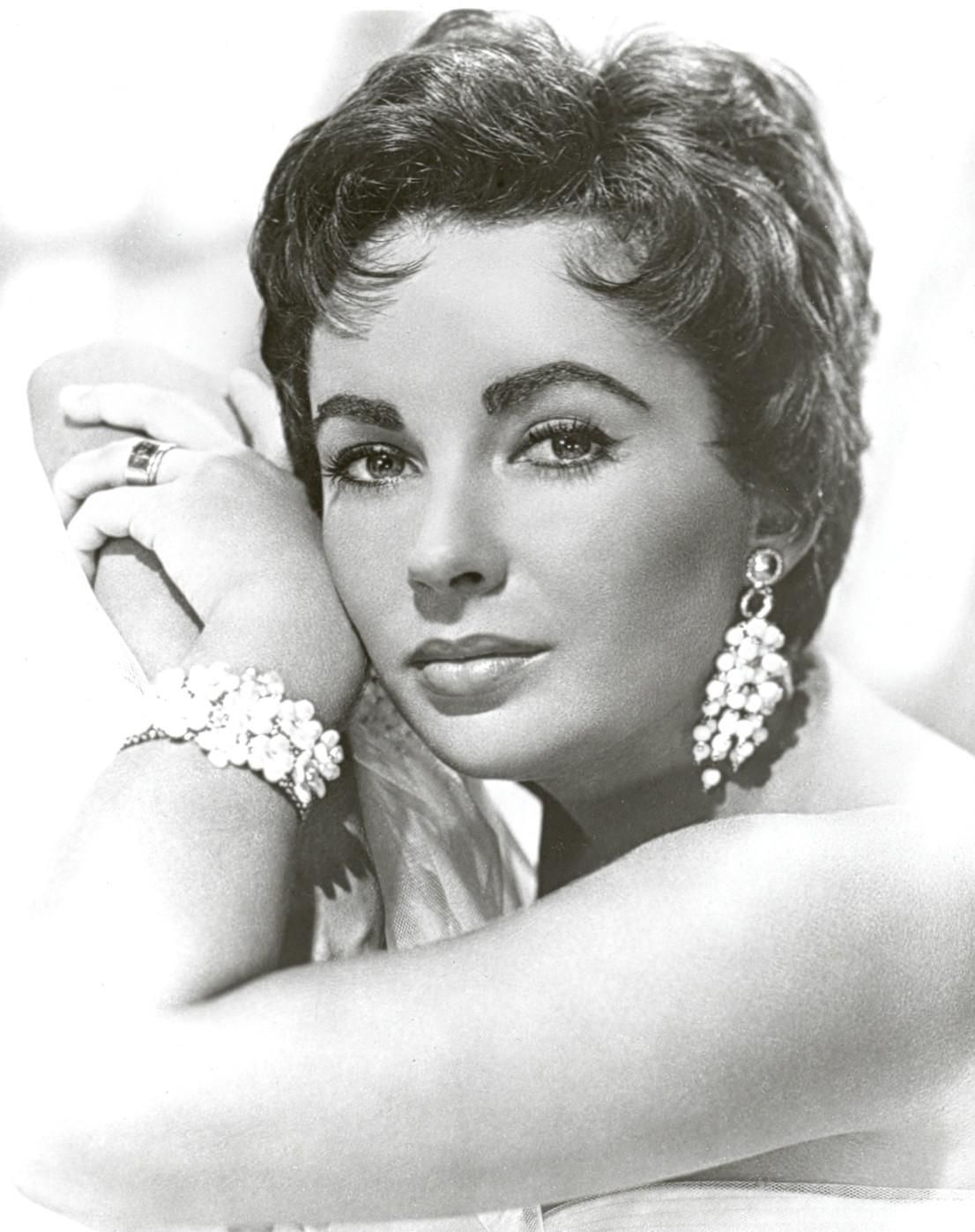
Elizabeth Taylor photographed in 1953, a year before her marriage to michael wilding and during the period when she was establishing herself as one of Hollywood's most bankable stars. Born February 27, 1932. Metro Goldwyn Mayer-no photographer information given, Public domain, via Wikimedia Commons
Stardom as Architecture
On this day in 1932 — Elizabeth Taylor was born, and would turn movie stardom into something closer to engineered public architecture.
3 min read
Elizabeth Rosemond Taylor was born on February 27, 1932, in London to American parents. Her father was an art dealer, her mother a former stage actress. The family moved to Los Angeles in 1939, just as war was breaking out in Europe. Elizabeth was seven years old. Within a few years, she was one of the most recognizable faces in the world.
She was discovered not by accident but by design. Her mother, Sara, had ambitions for her daughter and made sure the right people saw her. Elizabeth was beautiful in a way that photographed perfectly: violet eyes, dark hair, pale skin. She signed a contract with Universal Pictures at age nine, appeared in her first credited role at ten, and became a star at twelve with "National Velvet" in 1944. She played a girl who loves horses. America fell in love with her.
The studio system of the 1940s and 1950s was a machine for producing stars. Studios signed young actors to long-term contracts, controlled their images, chose their roles, dictated their public appearances, and managed their personal lives. Elizabeth Taylor was both a product of this system and someone who eventually broke it. She played by the rules when she had to and ignored them when she could afford to.
She transitioned from child star to adult actress with a level of success that almost never happens. Most child actors fade, fail to adapt, or are replaced by younger versions of themselves. Taylor did not fade. She took on more complex roles, worked with better directors, and cultivated a persona that was glamorous, temperamental, and magnetic. By the time she was in her twenties, she was one of the highest-paid actresses in Hollywood.
Her personal life was as carefully constructed as her screen presence, though far less controlled. She married eight times, twice to the same man, actor Richard Burton. Her relationships were public, dramatic, and endlessly covered by the press. She understood that her life off-screen was part of her appeal. She was not just an actress. She was a spectacle, a brand, a constantly evolving public figure.
In 1963, she became the first actress to be paid $1 million for a single film, starring in "Cleopatra." The production was notorious for cost overruns, delays, and the affair between Taylor and Burton, who was also in the film. The scandal was international news. The movie was a financial disaster that somehow became profitable through sheer cultural momentum. Taylor's performance was one of calculated excess, matching the production itself.
She won two Academy Awards for Best Actress, for "BUtterfield 8" in 1960 and "Who's Afraid of Virginia Woolf?" in 1966. The first was seen by many as a sympathy vote after she nearly died from pneumonia. The second was a recognition of genuine talent: a raw, unflattering performance that showed she could act, not just appear.
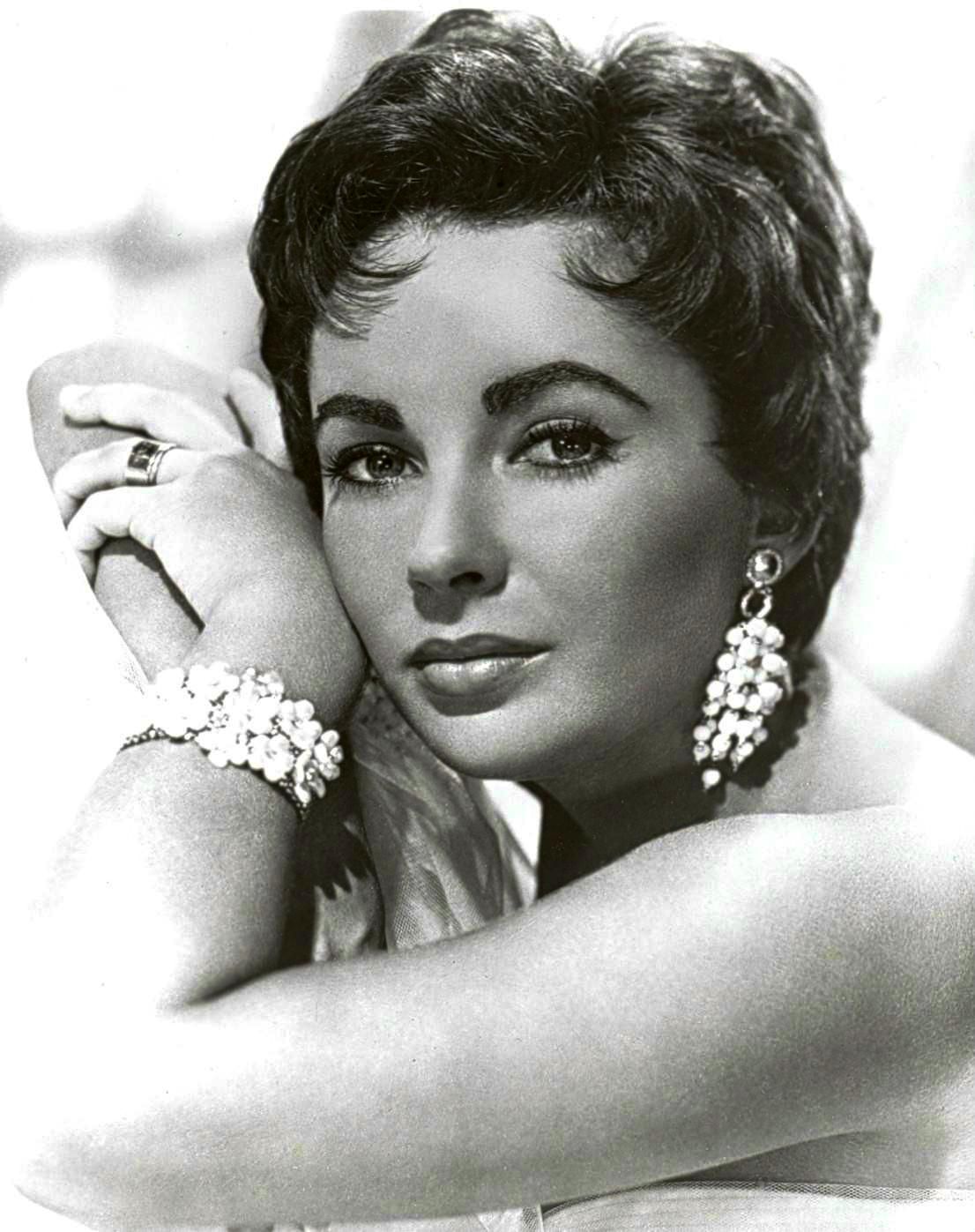
Elizabeth Taylor, whose violet eyes, dark hair, and magnetic screen presence made her one of the most recognizable faces in the world from childhood through old age. Metro Goldwyn Mayer-no photographer information given, CC BY-SA 3.0, via Wikimedia Commons
In the 1980s, as her film career slowed, Taylor became one of the first major celebrities to advocate publicly for AIDS research and awareness. She co-founded the American Foundation for AIDS Research in 1985 and raised millions of dollars at a time when the disease was heavily stigmatized and largely ignored by the government. Her activism was not a late-career pivot for publicity. It was sustained, personal, and effective.
Taylor died in 2011 at the age of 79. She had lived her entire life in the public eye, from childhood to old age, and had managed to remain relevant through decades of changing tastes, technologies, and cultural norms. She was famous for being beautiful, for being talented, for being married, for being scandalous, for being generous, and for being impossible to ignore.
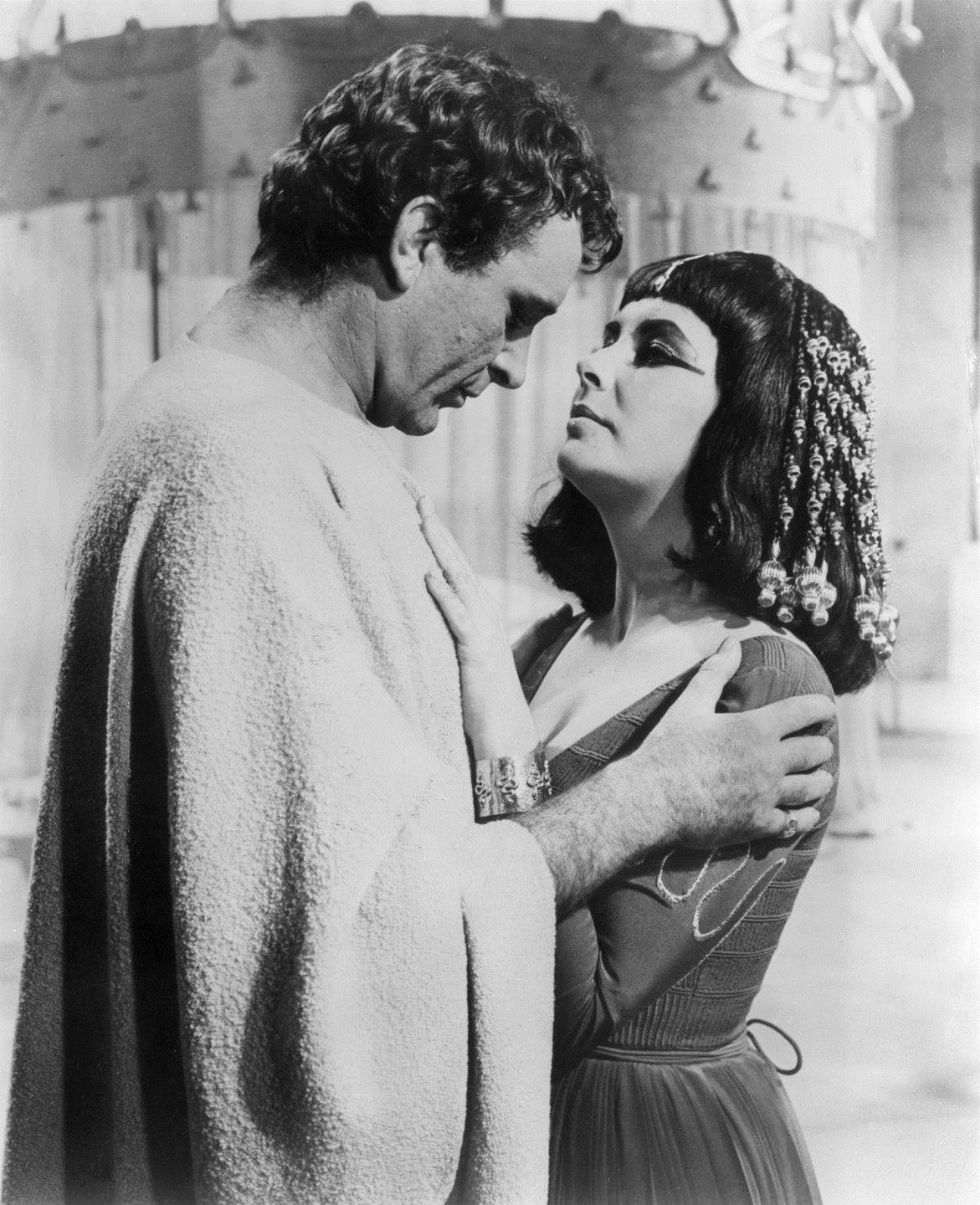
Elizabeth Taylor and Richard Burton in "Cleopatra" (1963), the film for which she became the first Actress paid $1 million for a single role and during which their affair became international news. Public domain, via Wikimedia Commons
Stardom is not natural. It is built, maintained, and redesigned as circumstances change. Elizabeth Taylor understood this. She worked within the Hollywood system when it had power and defied it when it did not. She controlled her image when she could and leaned into chaos when she could not. She turned beauty into a performance and performance into architecture, constructing a public self that outlasted the films, the marriages, and the controversies. She was not just a star. She was a system, one that ran on charisma, calculation, and the understanding that attention, once earned, must be carefully managed or ruthlessly exploited.
studio / on-this-day / Feb 27