studio / on-this-day / Feb 24
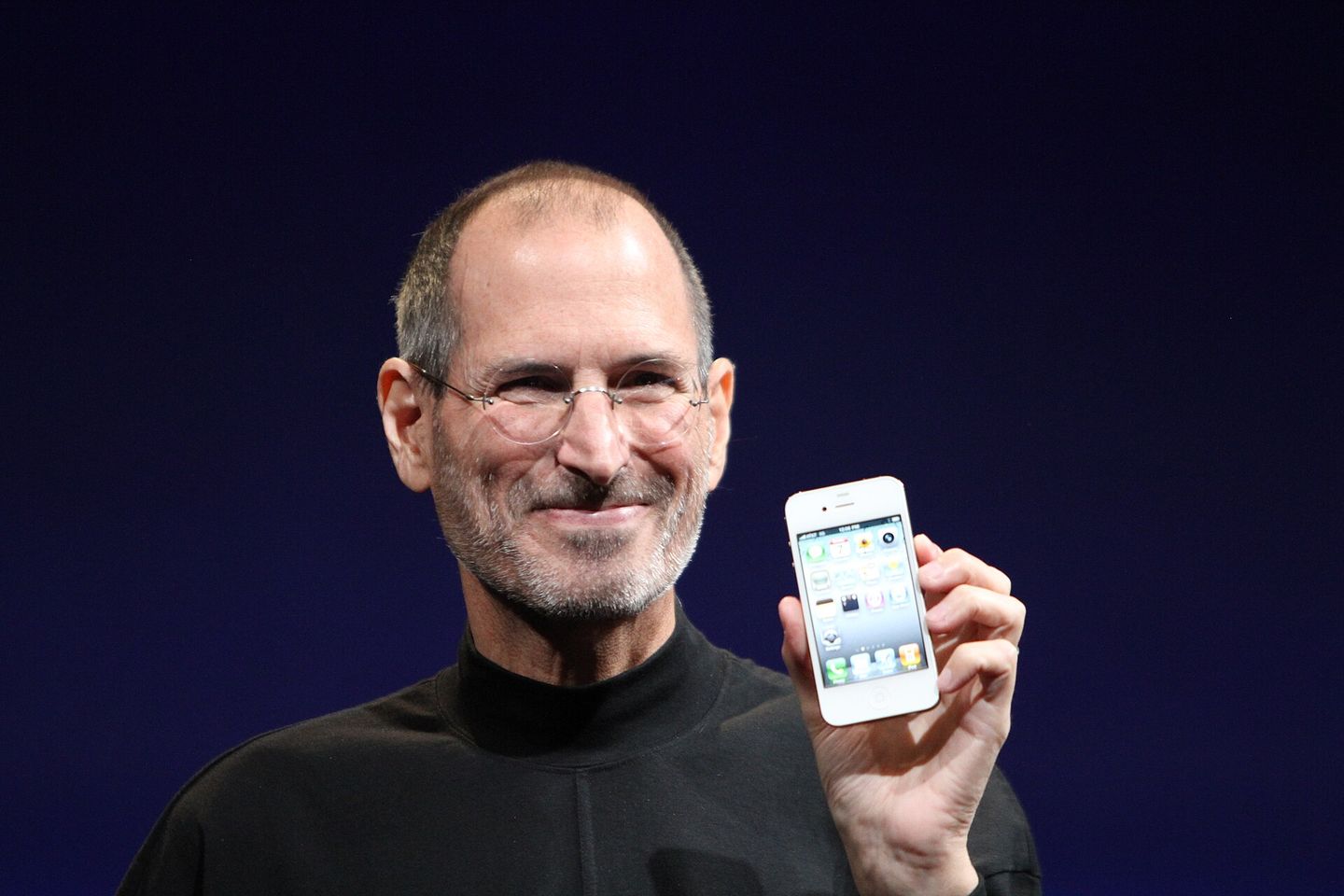
Steve Jobs at Apple's worldwide developers conference in 2010, showing the iphone 4. born February 24, 1955, Jobs co-founded Apple and transformed computing, music, phones, and tablets. Matthew Yohe, CC BY-SA 3.0, via Wikimedia Commons
Bicycles for the Mind
On this day in 1955 — Steve Jobs was born, and would treat the computer as a bicycle for the mind and design as the thing that made it ride.
3 min read
Steven Paul Jobs was born on February 24, 1955, in San Francisco. He was adopted by Paul and Clara Jobs, a machinist and an accountant who lived in Mountain View, California, in what would later be called Silicon Valley. He grew up tinkering with electronics in his father's garage, attended Reed College for one semester, and dropped out to audit classes that interested him, including calligraphy. That last detail would matter later.
In 1976, Jobs and Steve Wozniak founded Apple Computer in the Jobs family garage. Wozniak was the engineer. Jobs was the visionary, the one who saw that personal computers could be more than hobbyist kits. They could be tools for everyone. The Apple II, released in 1977, was one of the first successful mass-produced personal computers. It came in a plastic case, had color graphics, and was designed to be user-friendly. It sold millions.
In 1984, Apple released the Macintosh. It was not the first computer with a graphical user interface, but it was the first to make that interface accessible and appealing. Jobs had visited Xerox PARC in 1979 and seen their experimental GUI, which used windows, icons, and a mouse. He understood immediately that this was the future. The Macintosh brought those ideas to a consumer product. It was expensive, underpowered, and initially a commercial disappointment, but it established a design language that would define personal computing for decades.
Jobs was obsessive about design. He cared about the appearance of circuit boards that users would never see. He delayed product launches to refine details that most people would not consciously notice. He believed that design was not how something looked but how it worked. A product should be intuitive, elegant, and simple. Complexity was a failure of design. The best technology was invisible.
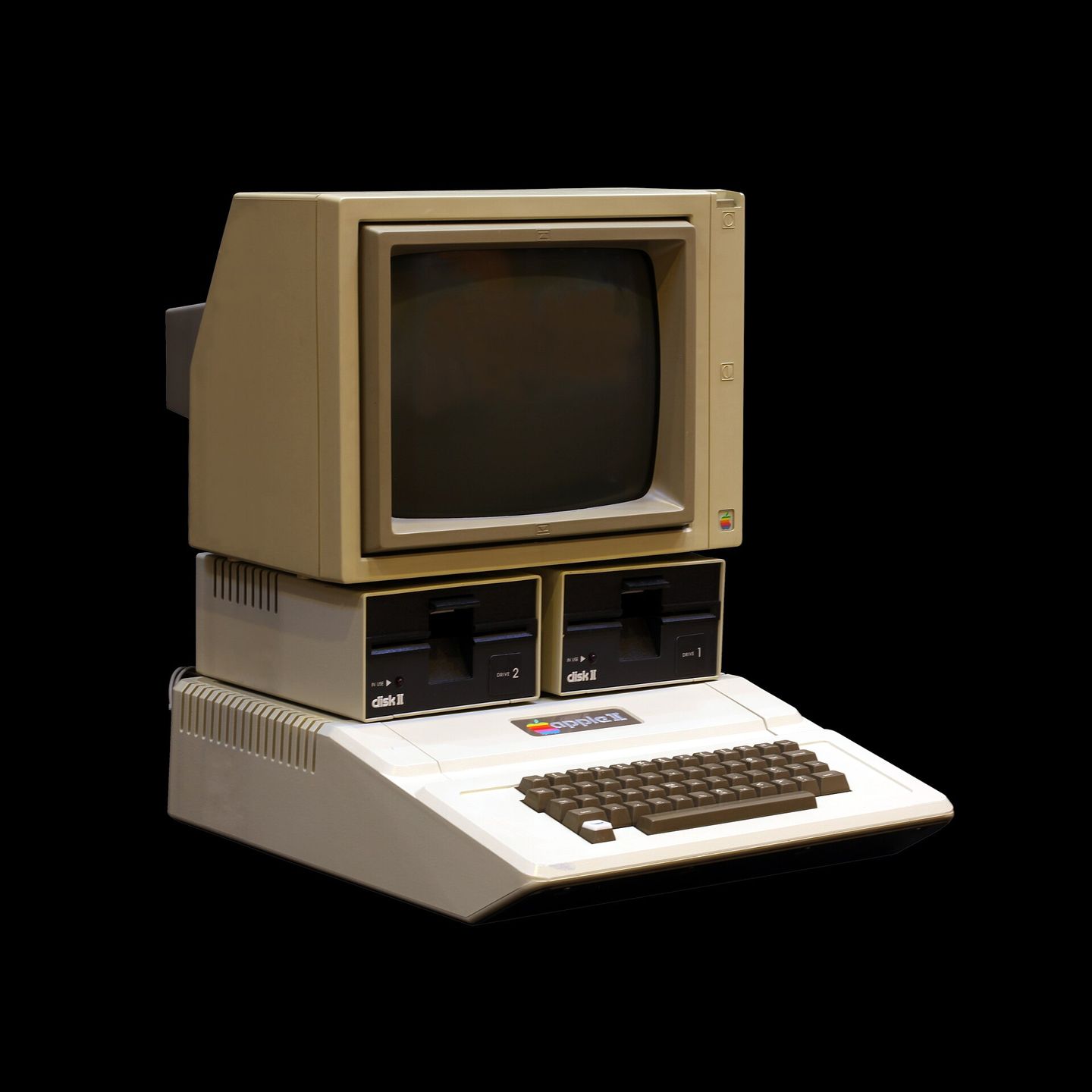
The Apple II, released in 1977 — one of the first successful mass-produced personal computers, with a molded plastic case, color graphics, and a design meant to be used by everyone, not just hobbyists. Rama & Musée Bolo, CC BY-SA 2.0 fr, via Wikimedia Commons
In 1985, after a power struggle with Apple's board, Jobs was forced out of the company he had founded. He started NeXT, a computer company that built high-end workstations for education and business. NeXT computers were beautiful, expensive, and never commercially successful. But the software Jobs developed at NeXT, particularly the operating system, would become the foundation for macOS and iOS when Apple acquired NeXT in 1997.
Jobs returned to Apple in 1997 as interim CEO. The company was weeks away from bankruptcy. He cut product lines, focused resources, and bet the company on a series of bold moves. The iMac, released in 1998, was a translucent, colorful desktop computer that looked like no other machine on the market. It sold millions and saved the company. The iPod, released in 2001, redefined portable music. The iPhone, released in 2007, redefined mobile phones. The iPad, released in 2010, created a new category of device.
Each of these products was a result of Jobs's belief that technology should be designed for humans, not the other way around. He called the computer "a bicycle for the mind," a tool that amplified human capability without requiring specialized knowledge to operate. He wanted products that a child could use and an expert could appreciate. He insisted on integration, on controlling both hardware and software so that the entire experience could be designed as a coherent whole.
Jobs died on October 5, 2011, from complications related to pancreatic cancer. He was 56. He had spent his final years working on Apple products, attending meetings from home when he was too ill to go to the office. The company he left behind was the most valuable in the world, a position it still holds.
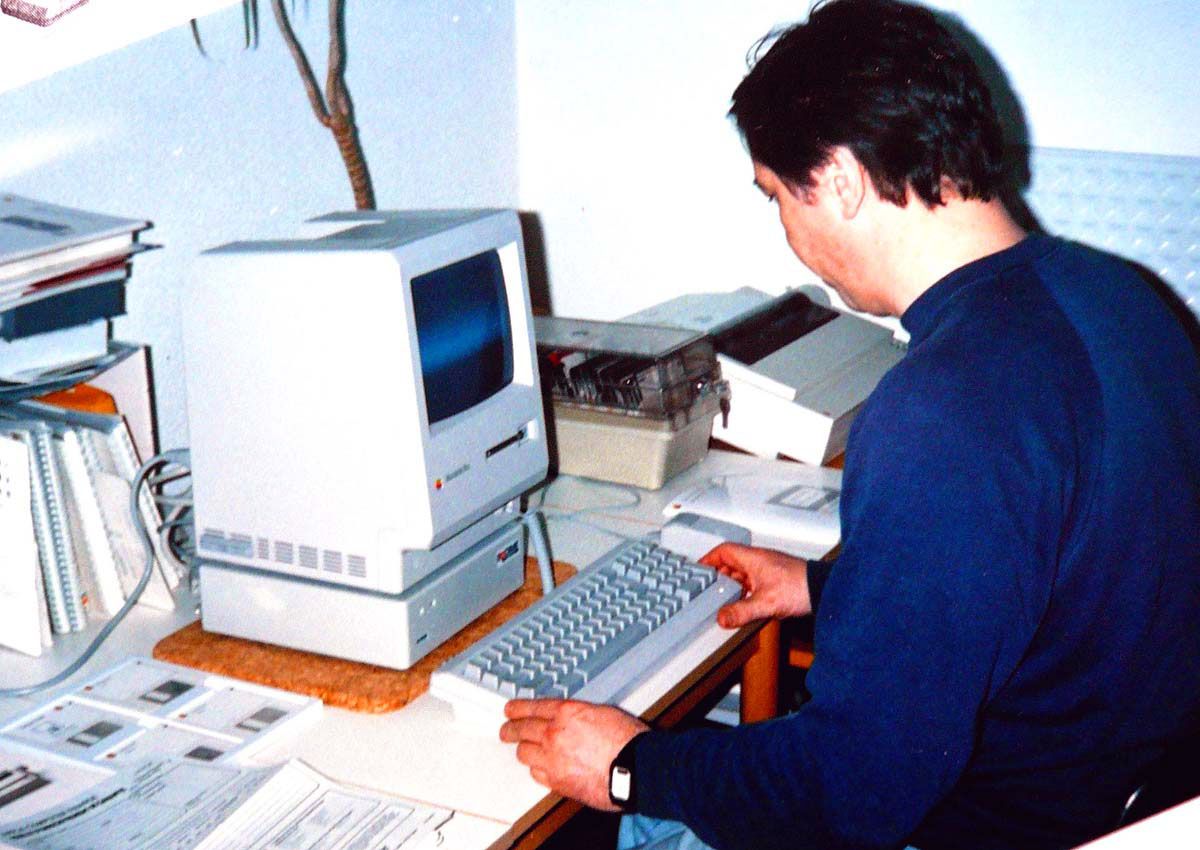
The original Apple Macintosh, released January 24, 1984 — the consumer product that brought the graphical user interface to a mass market and established the design language that would define personal computing for decades. Danielbaise, CC BY-SA 4.0, via Wikimedia Commons
Jobs was not an engineer. He did not write code or design circuits. He was a designer in the broadest sense: someone who understood what a product should be and how it should feel. He curated talent, made decisions, and insisted on excellence. He was difficult, demanding, and often cruel. He was also responsible for some of the most influential consumer products of the late 20th and early 21st centuries. He saw technology as a tool for creativity and design as the discipline that made technology humane. The devices we carry, the interfaces we navigate, and the expectations we have for how technology should work all trace back, in some way, to his insistence that design is not what it looks like. Design is how it works.
studio / on-this-day / Feb 24