studio / on-this-day / Dec 4
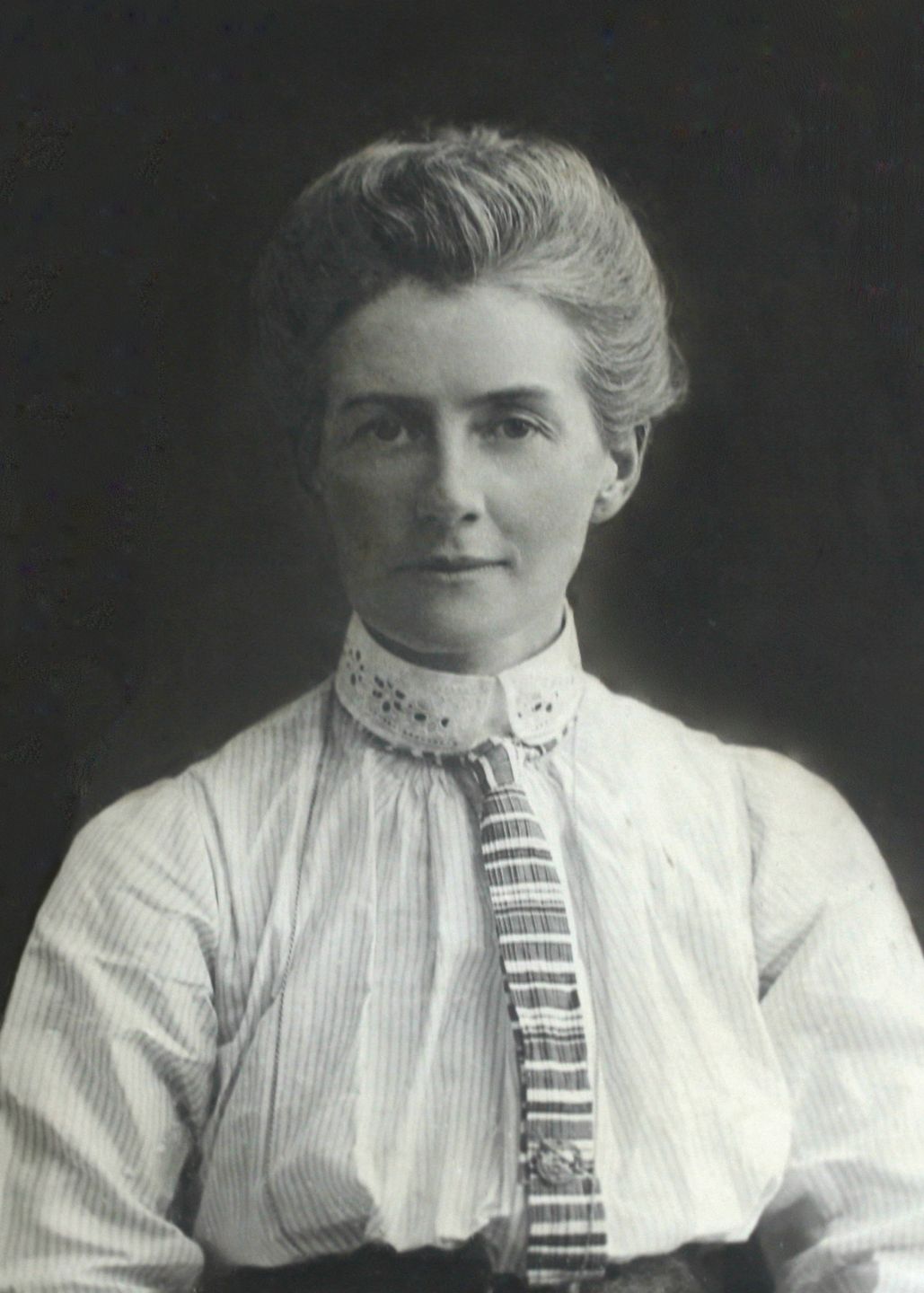
Edith Cavell, the British nurse executed in 1915 for helping Allied soldiers escape occupied Belgium. Public domain, via Wikimedia Commons
Patriotism Is Not Enough
On this day in 1865 — Edith Cavell was born. As a nurse in occupied Belgium she treated every wounded soldier alike and quietly smuggled hundreds to safety, then met a firing squad without bitterness.
4 min read
Edith Cavell was born on December 4, 1865, in a village in Norfolk, England, the daughter of a country vicar. She became a nurse at a time when nursing was only just turning from menial labor into a real profession, and she was very good at the professional part, disciplined, exacting, a builder of training programs. By 1907 she was running a pioneering nursing school in Brussels, quietly modernizing how an entire country trained its nurses.
Then the war came. When Germany occupied Belgium in 1914, Cavell's clinic became a Red Cross hospital, and she made a decision that would define her: she would treat the wounded without regard to which side they were on. German soldiers and Allied soldiers were nursed in the same wards, to the same standard. To her, a wounded man was a patient, and the uniform was beside the point. That principle sounds simple, and is, in occupied territory, quietly radical.
She went further. Her hospital became a link in an underground network that hid Allied soldiers trapped behind German lines and moved them, in secret, across the border to safety in the neutral Netherlands. Over roughly a year, some two hundred men passed through, sheltered and guided out under the noses of the occupying army. It was patient, dangerous, systematic work, and she did it while running a hospital in plain sight.
She was caught, arrested, and held for ten weeks, much of it in solitary confinement. At a military trial she did not lie to save herself; she admitted what she had done, including that the soldiers she helped had reached England and rejoined the fight, which sealed her fate. She was sentenced to death. Diplomatic pleas poured in from neutral countries. They failed.
The night before her execution she spoke with a chaplain and left the words she is remembered for: "Patriotism is not enough. I must have no hatred or bitterness towards anyone." It is an extraordinary thing to say about the machine that is about to kill you. She refused, at the very end, to sort people into the categories, ally and enemy, that the war insisted were the only ones that mattered.
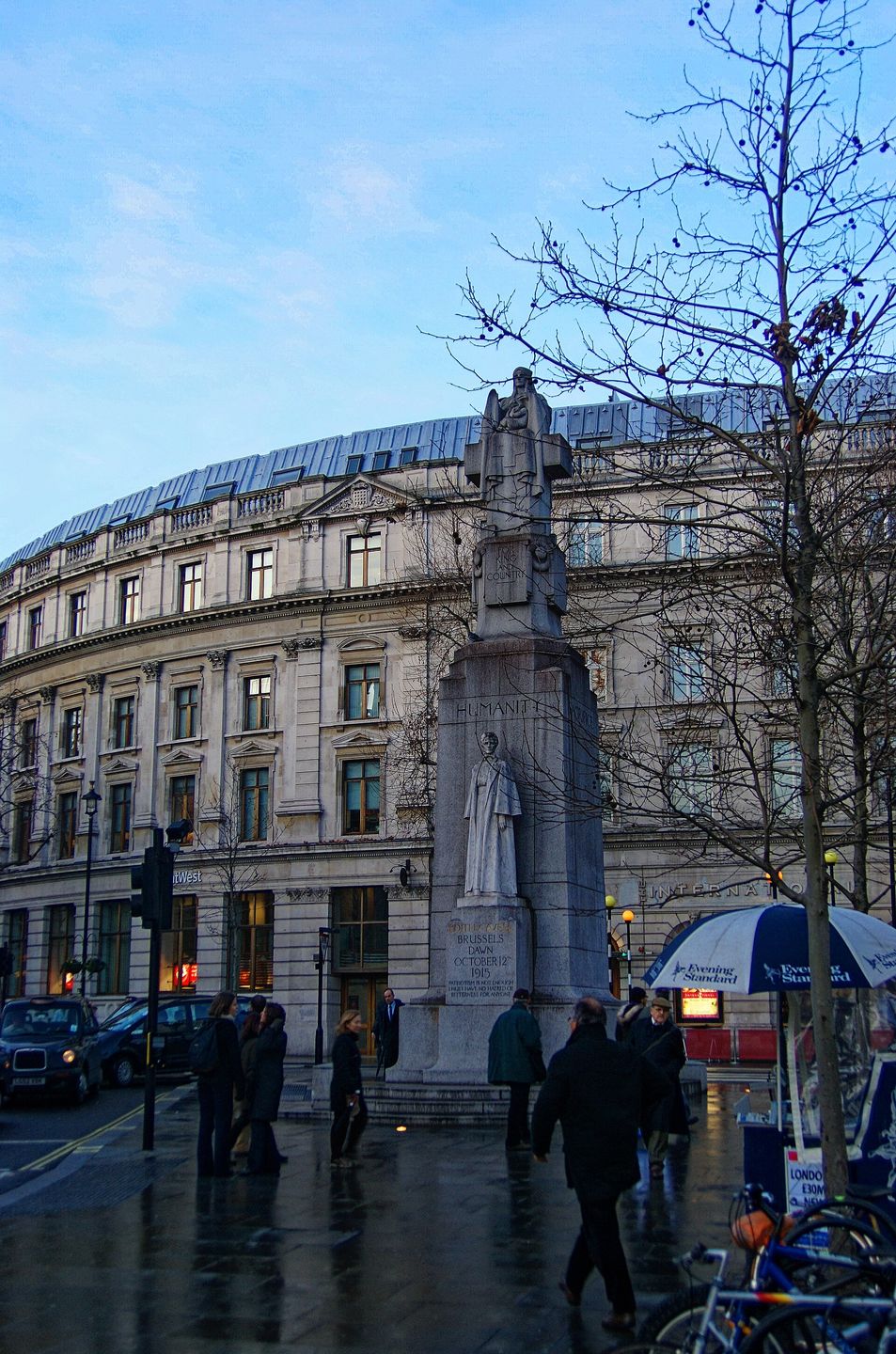
The Edith Cavell memorial near trafalgar square in London, inscribed with her words "patriotism is not enough." Txllxt TxllxT, CC BY-SA 4.0, via Wikimedia Commons
On October 12, 1915, a German firing squad shot her. The reaction was not what the occupiers intended. Her death became one of the most powerful pieces of moral evidence of the war, proof, widely felt, that something had gone badly wrong when a state executes a nurse for saving the wounded. She did more against the war dead than she ever could have alive.
What lasts is the clarity of the principle, held under the maximum possible pressure. It is easy to treat everyone the same when nothing is at stake; Cavell did it when the cost was her life, insisting that care was owed to the person in front of her regardless of the label on his coat. She built training systems and escape routes with the same steady competence, but the thing she is remembered for is simpler and harder: she would not let a war tell her who counted as a human being.
studio / on-this-day / Dec 4