studio / on-this-day / Nov 6
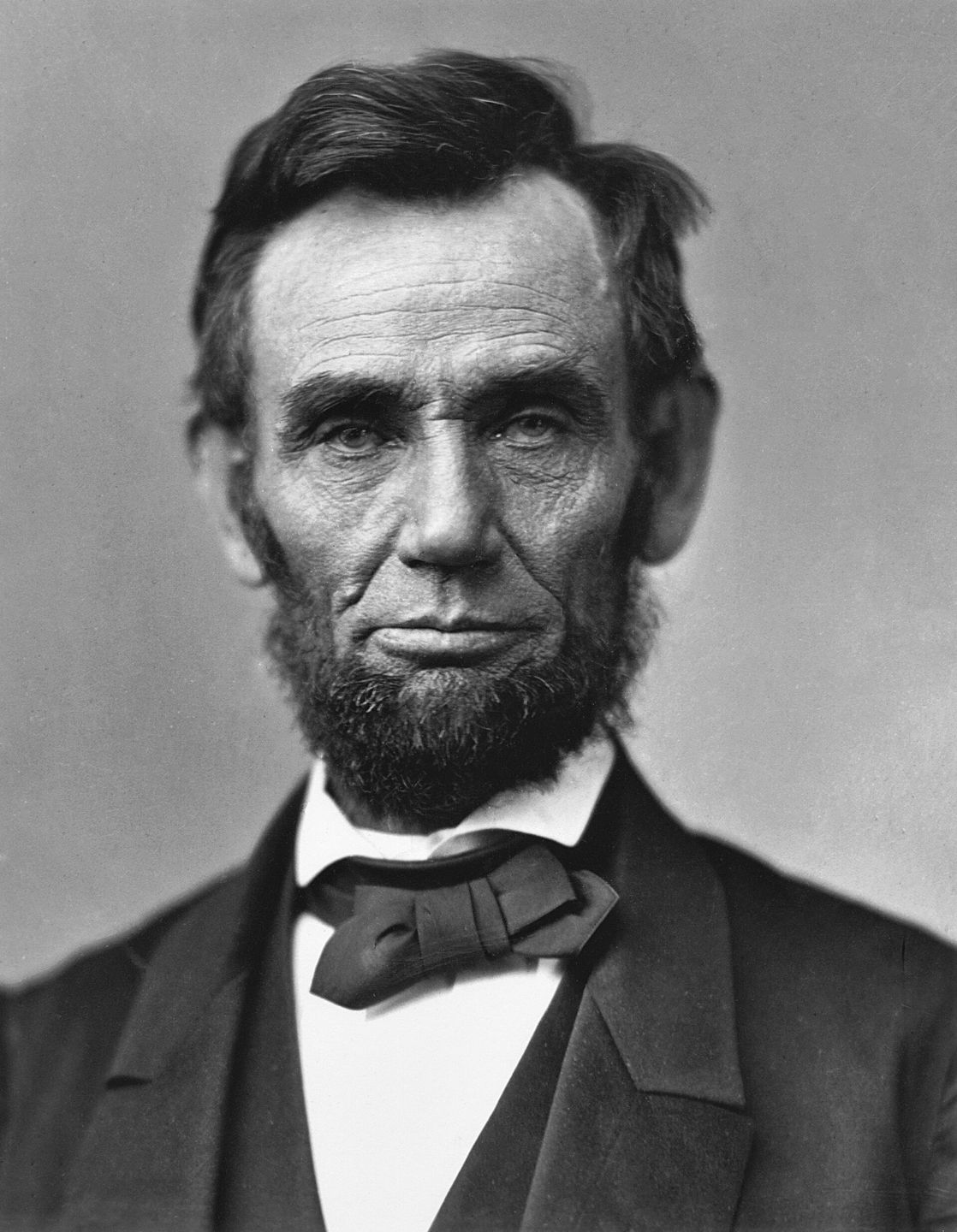
Abraham Lincoln, 1863. Alexander Gardner, Public domain, via Wikimedia Commons
The Election That Broke Everything
On this day in 1860 — Abraham Lincoln was elected, setting in motion the most consequential redesign in the nation's history.
3 min read
Abraham Lincoln won the presidency on November 6, 1860, without appearing on the ballot in ten Southern states. He received 39.8 percent of the popular vote but won the Electoral College decisively with 180 votes. His name alone was enough to trigger a crisis. Before he even took office, seven Southern states seceded from the Union. The election didn't cause the Civil War, but it revealed that the constitutional system had reached a breaking point. The compromise that had held the country together since 1787 was over.
Lincoln was a one-term congressman from Illinois, a lawyer who had lost two Senate races, including a famous series of debates against Stephen Douglas in 1858. He was not the obvious choice. The Republican Party, only six years old, had formed around opposition to the expansion of slavery into new territories. Lincoln represented the moderate wing. He didn't call for immediate abolition. He called for containment, preventing slavery's spread while tolerating its existence where it already was. To Southern slaveholders, this distinction was meaningless. Any limit on slavery was an existential threat.
The 1860 election exposed a fundamental design flaw in the American constitutional system: it assumed consensus on basic questions. The Constitution protected slavery implicitly through the Three-Fifths Compromise and the Fugitive Slave Clause, but it avoided naming it directly. This worked as long as both sides agreed to avoid confrontation. By 1860, that agreement had collapsed. The election became a referendum on whether the Union would be a slave empire or a free-labor republic. There was no middle ground left.
Lincoln's victory was a product of geography and political fragmentation. The Democratic Party split into Northern and Southern factions, each running its own candidate. A fourth candidate, representing the Constitutional Union Party, campaigned on preserving the Union without addressing slavery at all. Lincoln won by consolidating the Northern vote while his opponents divided the South. He carried every free state except New Jersey, which he split with Douglas. He didn't need the South. The electoral math made Southern voters irrelevant to his victory, which made secession feel like the only option left.
South Carolina seceded on December 20, 1860, six weeks after the election. Six more states followed before Lincoln's inauguration on March 4, 1861. By the time he took office, the Confederacy had already formed, seized federal property, and prepared for war. Lincoln faced an impossible situation: abandon the constitutional order to preserve the Union, or preserve the constitutional order while the Union dissolved. He chose the former, suspending habeas corpus, expanding executive power, and waging war without a formal declaration from Congress.
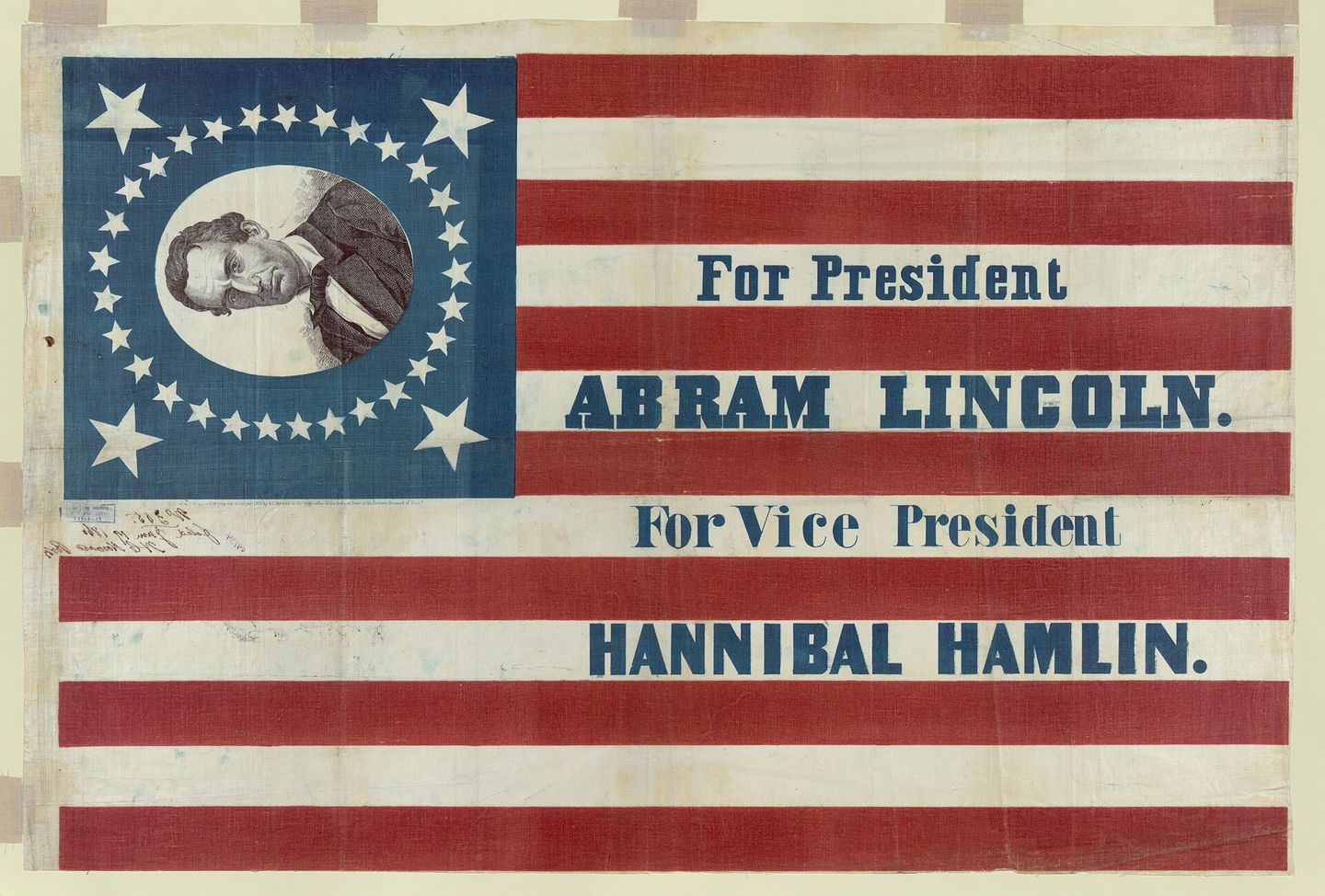
An 1860 campaign banner for Lincoln and his running mate hannibal Hamlin. H. C. Howard, Public domain, via Wikimedia Commons
The Civil War killed 620,000 people and redefined what the United States was. It resolved the contradiction at the heart of the founding: a nation built on the idea that all men are created equal couldn't coexist with chattel slavery. Lincoln's election forced that contradiction into the open. The war that followed was the most violent systems redesign in American history, rewriting the Constitution with the 13th, 14th, and 15th Amendments and establishing federal supremacy over the states.
Lincoln didn't live to see the full result. He was assassinated five days after the war ended. What survived him was a transformed country, one that had burned down its old operating system and built a new one on top of the ashes. The election of 1860 proved that democracy can't avoid fundamental questions indefinitely. Eventually, the system breaks or the questions get answered. America chose both.
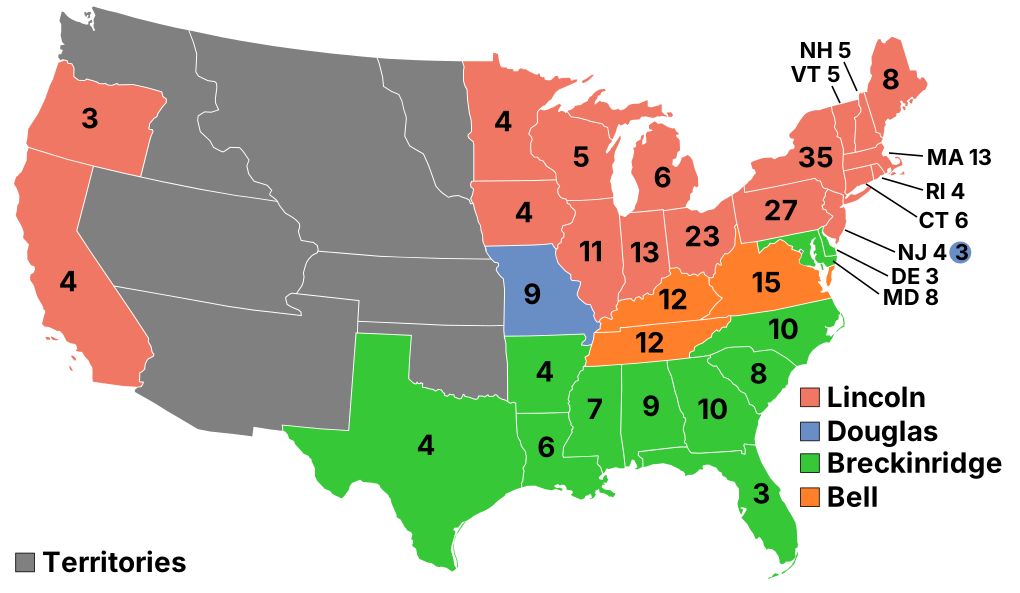
Electoral College results, 1860 presidential election — Lincoln carried every free state. AndyHogan14, Public domain, via Wikimedia Commons
studio / on-this-day / Nov 6