studio / on-this-day / Nov 10
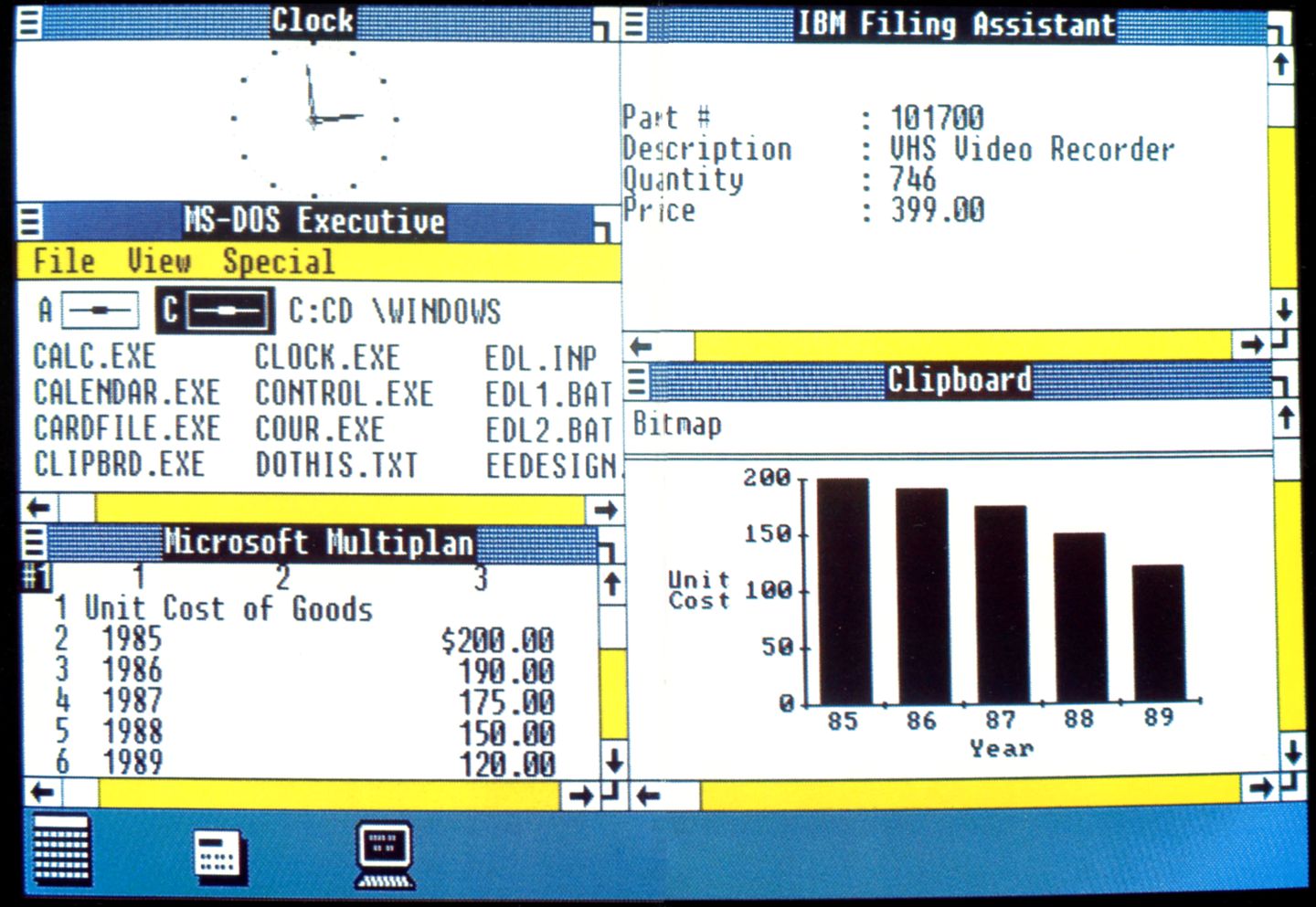
Windows 1.0 interface, 1985. Rezonansowy, Microsoft, Public domain, via Wikimedia Commons
The Windows That Opened Everything
On this day in 1983 — Bill Gates announced Windows 1.0, the graphical interface that would eventually put a computer on most desks.
3 min read
On November 10, 1983, Bill Gates stood in front of a crowd at the Plaza Hotel in New York and announced Windows. It was supposed to ship in April 1984. It didn't. Windows 1.0 finally arrived in November 1985, two years late and immediately criticized. The interface was clunky. Programs couldn't overlap; they were tiled side by side like bathroom tiles. Apple was already shipping the Macintosh, which had a cleaner, more intuitive graphical user interface. Windows looked like a compromise, which it was. But it ran on IBM-compatible PCs, and that made all the difference.
Microsoft didn't invent the graphical user interface. Xerox PARC did, in the 1970s. Apple commercialized it with the Lisa and then the Macintosh. But Apple's computers were expensive and proprietary. Microsoft's strategy was different: license Windows to anyone who made IBM-compatible hardware. This turned Windows into a platform rather than a product. It didn't matter if it wasn't the best. It mattered that it was everywhere.
Windows 1.0 was barely usable. It included a calendar, a clock, a notepad, and a paint program. You could run MS-DOS programs in windows, which was novel but not revolutionary. Critics called it slow and awkward. Microsoft's own developers reportedly hated working on it. But Gates understood something crucial: software improves through iteration, and market share creates iteration opportunities. If Windows could get into enough hands, it could evolve faster than its competitors.
Windows 3.0, released in 1990, was the breakthrough. It introduced the Program Manager and File Manager, icons that became part of the computing vernacular. It supported 256 colors and TrueType fonts. It felt professional. Sales exploded. Within two years, 10 million copies were sold. Windows became the default interface for personal computing, the layer between humans and machines that made complex tasks feel manageable.
What made Windows succeed wasn't technical brilliance. It was ecosystem thinking. Microsoft created development tools that made it easy for third-party software companies to build Windows applications. Lotus, WordPerfect, and eventually thousands of smaller developers ported their software to Windows. Hardware manufacturers optimized their devices for it. The network effect kicked in: the more people used Windows, the more software got built for it, which made more people use Windows. By the mid-1990s, Windows had become infrastructure, as fundamental to computing as the keyboard and mouse.
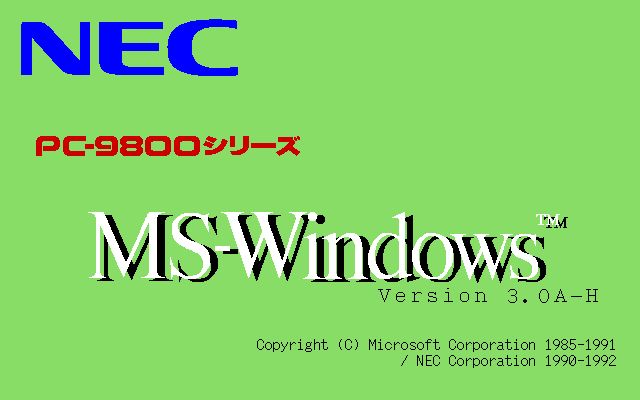
The Windows 3.0 boot screen, 1990 — the release that turned Windows into the default. Public domain, via Wikimedia Commons
Windows 95 turned the operating system into culture. The launch campaign featured the Rolling Stones' "Start Me Up." People lined up at midnight to buy a piece of software. The taskbar, the Start button, and plug-and-play hardware support made computers feel accessible to non-technical users. Windows wasn't just a tool anymore. It was the way people experienced digital life: browsing the web, checking email, playing Solitaire during breaks. It was ubiquitous in offices, schools, and homes.
Windows shaped how we think about computing. It normalized the metaphor of windows, folders, and desktops. It made multitasking visual. It established that software could be a commodity sold in shrink-wrapped boxes at retail stores. And it demonstrated that market dominance comes not from perfection but from strategic positioning and relentless iteration. Windows 1.0 was mediocre. Windows became inevitable. The difference was time, distribution, and the willingness to improve in public while everyone watched.
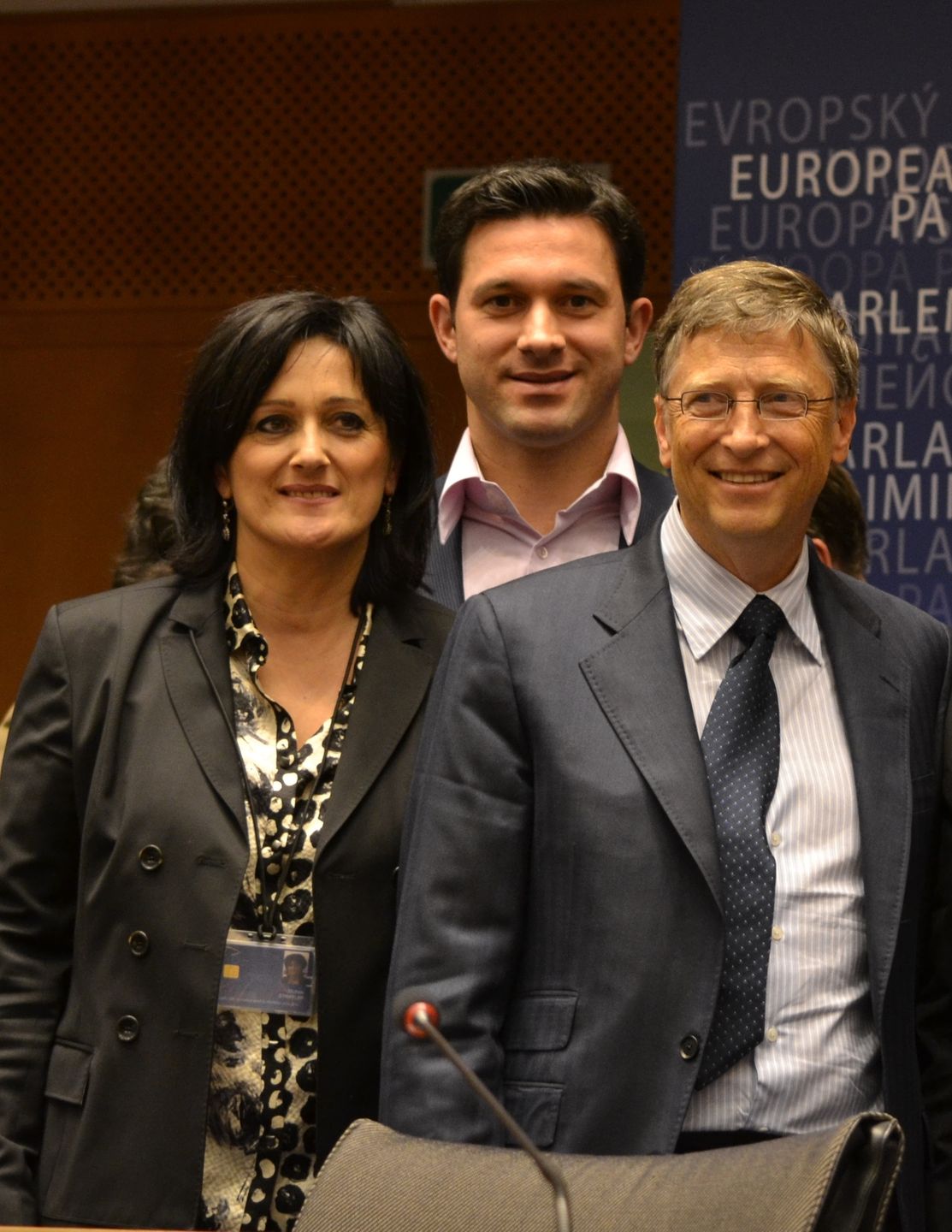
Bill Gates, co-founder of Microsoft. Petru Luhan, CC BY-SA 3.0, via Wikimedia Commons
studio / on-this-day / Nov 10